


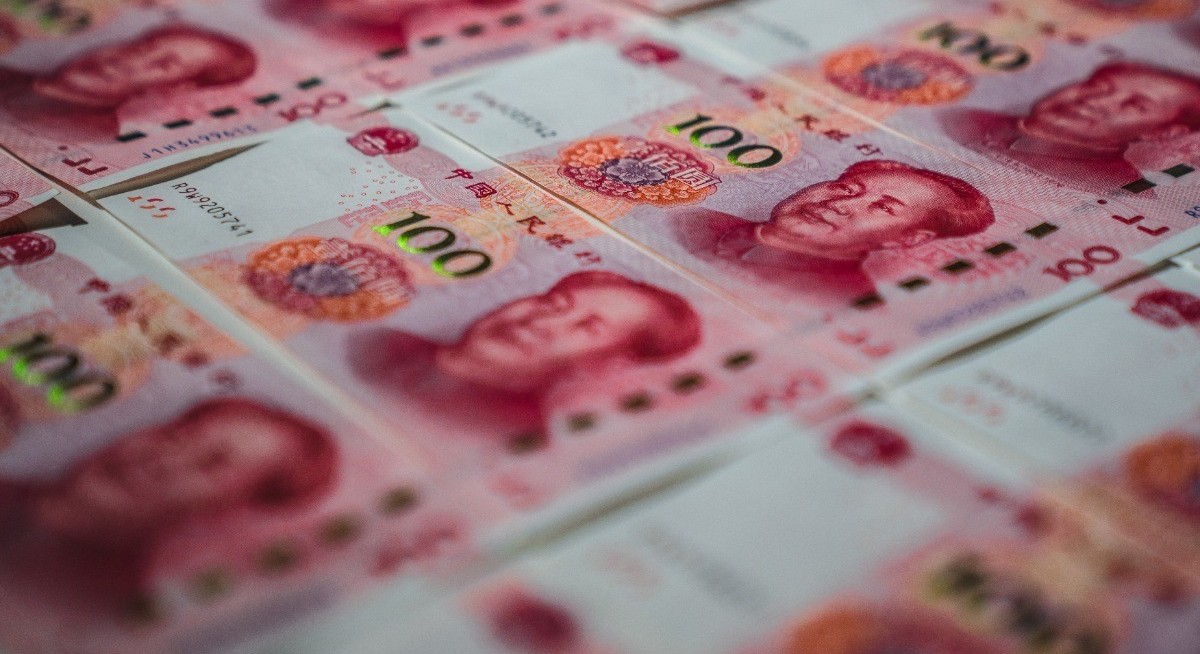


The yuan is heading for its first annual gain since 2021 in both onshore and offshore markets, driven by a weaker dollar, flows into mainland equities, internationalisation efforts, and firmer local fixings. Other factors including a fragile economy showing deflationary impulses, the risk of a dollar rebound, and export headwinds, however, could signal depreciation pressure ahead.
“Some argue that CNY undervaluation is a key driver of the competitiveness of Chinese exports” and that currency appreciation would be inconsistent with a forecast for continued export growth, Goldman strategist Teresa Alves wrote in a note dated Dec 9. “We disagree,” she said, because the “CNY is so deeply undervalued, the strengthening we project would still leave the currency comfortably in inexpensive territory.”

The bank’s latest update comes against the backdrop of growing debate over whether China is keeping the yuan weak to compensate for trade uncertainty. The International Monetary Fund has linked the country’s booming exports and trade surpluses to real depreciation, and called on China to move towards a freer exchange rate.
See also: Yen carry trade a ‘ticking time bomb’, warns BCA Research
The debate is also playing out after China’s goods trade surplus surged to a record above US$1 trillion in the first 11 months of this year. Fearful that Beijing may be dumping its overcapacity on other countries to the detriment of local industries, some are pushing back against the flood of Chinese goods.
Competitive devaluation
Goldman suggested the battle for competitiveness would play out in the form of currency depreciations in countries affected by China’s growing market share — thus restoring the yuan’s relative strength in its trade basket. The strength in China’s current-account balance will also create more appreciation pressure, according to Alves.
See also: Alphabet taps sterling, Swiss franc markets in mega debt deal
The Goldman Sachs Dynamic Equilibrium Exchange Rate (GSDEER), which posits that exchange rates will eventually reflect differences in productivity and terms of trade, has the yuan’s fair value pegged at five per US dollar. The currency traded at around 7.06 on Wednesday.
Meanwhile, the Goldman Sachs Fundamental Effective Exchange Rate (GSFEER) framework, which tracks the current account’s influence on exchange rates, finds the yuan 12% undervalued.
The weighted average of the two models has the currency pegged at 25% below its fair value. Forwards contracts for the fourth quarter of 2026 price the currency offshore at 6.91 per dollar, or about 2% stronger than its current level, according to data compiled by Bloomberg.
“We expect CNY appreciation to be gradual and managed but think that, even so, it can outperform the forwards,” Alves said.
Uploaded by Felyx Teoh




