




(April 30): The European Union’s (EU) biggest economies are unhappy with a US proposal to resolve a metals tariff dispute, injecting fresh uncertainty into final negotiations to implement a stalled trade deal.
Germany and France are among the countries that vented frustration in a meeting of EU envoys, according to people familiar with the matter. The European Commission, the EU’s executive arm, also said it is considering possible responses, the people added, speaking anonymously to describe closed-door discussions.
The reaction came after the US recently changed its tariff rate on hundreds of products that include steel and aluminium. The shift was meant to help address Europe’s long-standing concern over the levies. But it has not been well received on the continent, the people said, with France and Germany noting that the tweak actually makes the tariff situation worse for roughly half of the affected products.
The spat has added to tensions over the much-delayed US-EU trade deal. The two sides initially reached an agreement last July, but EU lawmakers have yet to ratify the pact as they seek further amendments.
A commission spokesperson declined to comment. Spokespeople for France and Germany in Brussels did not immediately respond to requests for comments.

See also: Crop prices hit highest since 2023 as war and bad weather bite
Under the initial transatlantic trade agreement, the EU agreed to erase tariffs on US industrial goods in exchange for a 15% tariff ceiling on most EU products. The bloc accepted the lopsided deal in the hopes of keeping US President Donald Trump engaged in Ukraine and to avoid a full rupture in trade relations.
But the pact has faced a rocky path since then.
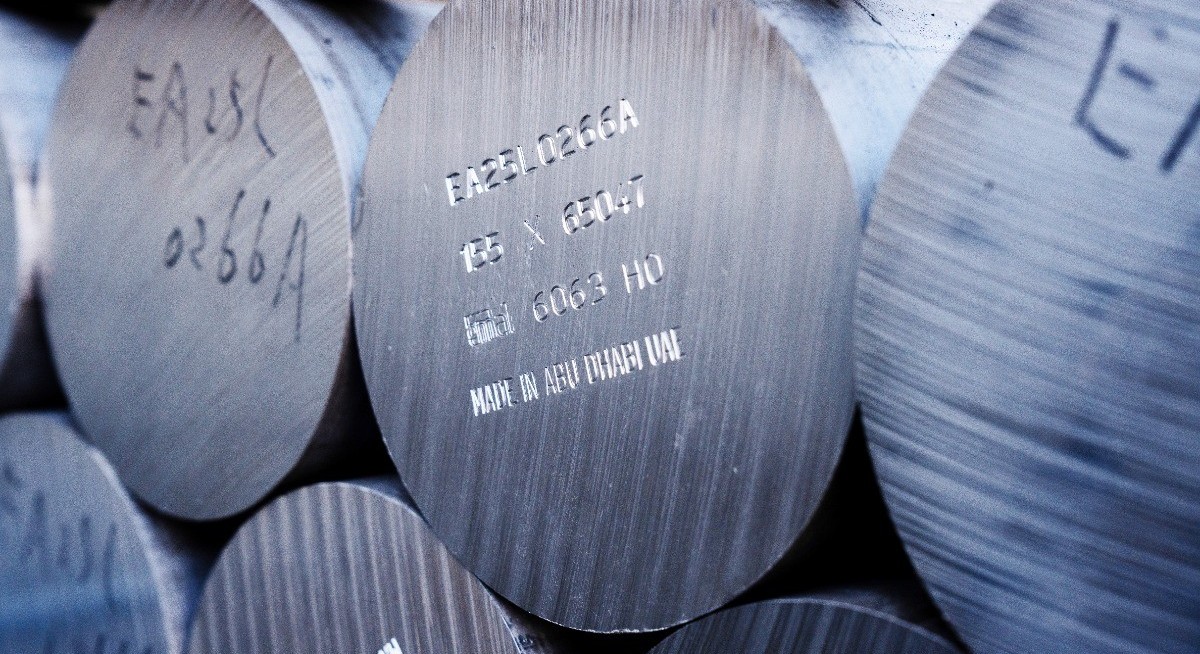
In August, the US widened a 50% tariff on steel and aluminium to hundreds of new products that included these metals. The move led to allegations that Washington was already violating its recent commitments. Companies also faced a difficult task calculating the tariffs, which were based on the percentage of these metals in their products.
See also: Central banks ‘scoop up a load’ of gold in bumpy first quarter
EU lawmakers then twice paused the deal’s ratification, once after Trump threatened to take Greenland, a Danish territory, and again after the Supreme Court invalidated the US global tariff regime.
More recently, however, both sides have expressed a desire to finally adopt the trade deal. As part of this push, the US agreed to change how it calculated the broadened metals tariff, insisting this would assuage frustration over the matter.
In addition to simplifying how the tariff was calculated, the US said it would exempt some items with only small amounts of steel and aluminium. Meanwhile, other products would get a 25% tariff.
Yet after EU officials and business groups crunched the numbers, they said the tweaks would only improve the situation for about half of the products. VDMA, a German industrial association, warned that the average tariff rate for affected companies had risen from 21 to 26%.
EU trade chief Maros Sefcovic raised the issue during a visit to Washington last week but failed to achieve any breakthrough, the commission told EU envoys on Wednesday, the people said.
For now, the US and EU have agreed to continue technical discussions on the matter, the people said. The commission told EU envoys that fully implementing more of the bloc’s commitments from the trade deal could help obtain concessions on the metals tariffs.
If the situation remains unresolved, the EU executive told envoys it would consider taking further measures, without providing details, the people said.
To stay ahead of Singapore and the region’s corporate and economic trends, click here for Latest Section
“While the latest US decision has improved the situation for several sectors, some issues remain,” Sefcovic told reporters during his visit to Washington. “I appreciate the administration’s genuine engagement in resolving them.”
The metals tariffs stand-off comes as EU lawmakers negotiate with member states over their desired amendments to the US-EU trade deal, including an expiration date and more safeguards for European industries. The commission has warned that some of these clauses risk derailing the accord, Bloomberg previously reported.
Uploaded by Tham Yek Lee




