


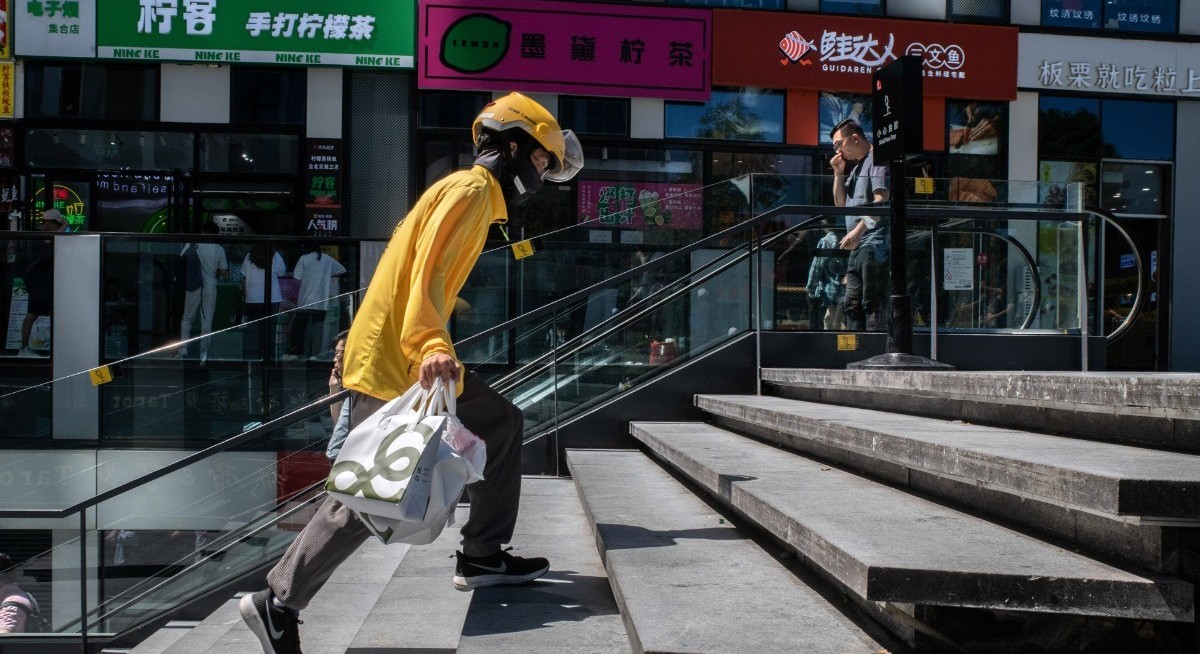


(Feb 3): Major restaurant and beverage chains in China, including KFC and Cotti Coffee, are raising prices on food delivery platforms, retreating from years of discounting after regulators launched a probe into deflation-fuelling subsidies in the sector.
Yum China Holdings Inc’s KFC raised delivery prices by an average of 0.8 yuan last month. Cotti, once synonymous with ultra-cheap brews, has scrapped its 9.9 yuan a cup promotion, with most drinks for delivery now priced at 13.99 yuan or higher. Luckin Coffee Inc, China’s biggest coffee chain, has already reduced the share of products priced at 9.9 yuan, according to local media reports.
The increases mark a shift away from the delivery price wars that battered restaurants, teahouses and cafes, eroding margins and fuelling unsustainable competition. It comes after China’s top antitrust body launched an investigation into competition practices in the online food delivery sector last month, in response to concerns that platform giants like Alibaba Group Holding Ltd, Meituan and JD.com Inc were pouring billions into subsidies to gain market share.
China’s catering sector is heavily reliant on food delivery platforms and the subsidy race pushed online orders to record highs. KFC’s delivery sales jumped 33% in the third quarter, contributing about 51% of its total sales.
But for many, those gains came at the expense of profitability. Luckin Coffee reported delivery expenses equal to 18.9% of net revenue in the same period, reflecting surging online orders but margins came under pressure as discounts and platform fees ate into earnings.
The retreat from price wars also aligns with Beijing’s broader push against “involution”, denoting excessive, destructive competition.
See also: Treasuries decline on news Chinese banks asked to limit US bonds
“Prices on food delivery platforms are gradually rebounding, especially in lower-ticket categories such as bubble tea, fast food and coffee,” said Richard Lin, chief consumer analyst at SPDB International Holdings Ltd. The industry has been nudged to scale back promotions to avoid a vicious cycle of lower prices, Lin added.
McDonald’s Corp announced raising some product prices by up to 1one yuan in China while Japanese restaurant chain Saizeriya, known for its value-for-money meals, also lifted prices last year, according to a local media report. New offerings at Chinese bubble tea chain Heytea are priced at 25 yuan compared with a price of under 20 yuan for most of its drinks.
China’s consumer sector has been locked in fierce price competition in recent years, as companies slashed prices to lure cautious consumers amid economic uncertainty. The subsidy war that erupted last April among food delivery platforms intensified the battle, driving prices to unsustainable lows — with coffees sold for 14 cents and meals for 50 cents.
Uploaded by Arion Yeow




