


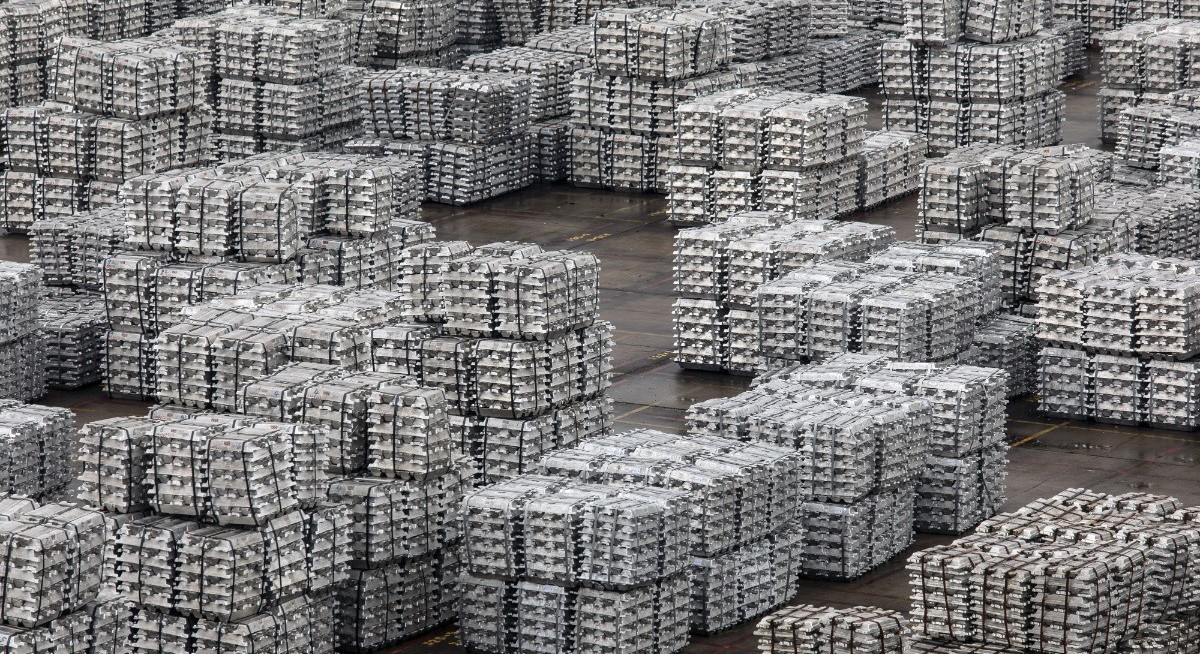


(Jan 20): Chinese aluminium output rose to an all-time high last year, climbing to around the country’s capacity limit, while steel fell to a seven-year low, underscoring dramatically different prospects for the two most widely used metals.
Aluminium production increased 2.4% to 45.02 million tonnes, having risen every year this decade, according to the statistics bureau on Monday (Jan 19). The figure for December was a record 3.87 million tonnes. Annual steel output declined 4.4% to 961 million tonnes, falling below the one billion mark for the first time since 2019, with December at a two-year low of 68.2 million tonnes.
The energy transition that China leads relies heavily on aluminium, the lightweight metal used in renewables, power lines and electric car chassis. Steel is the backbone of construction, an industry dogged by the country’s years-long property crisis. China is the world’s biggest producer of both metals and both have been subject to output controls to varying degrees.
For aluminium, that’s taken the form of a 45-million-tonne capacity cap, imposed by the government in 2017 to limit structural oversupply, carbon emissions and electricity demand in the notoriously power-hungry sector. Steel hasn’t been given formal targets but policymakers have put the industry on notice that chronic overproduction needs to be addressed.

Aluminium prices are broadly set to benefit from the mismatch between rising demand and constraints on supply, although the picture is muddied by how much self-control the industry is able to exert. Goldman Sachs Group Inc said in a note last week that discipline around the cap has mostly held but “it is not a hard stop”.
See also: Treasuries decline on news Chinese banks asked to limit US bonds
The bank forecasts capacity will still rise by 900,000 tonnes through 2028. “This could result in a larger global aluminium surplus than expected, resulting in lower prices than forecast over the coming years,” it said.
Although the steel industry is paring output, it faces harder choices given the persistent shortfall in domestic demand. The government has pledged tougher rules on adding new capacity but so far has stopped short of ordering the swingeing supply cuts necessary to correct the imbalance.
According to the latest survey from the China Iron & Steel Association, members raised daily production to nearly two million tonnes in the first part of January from the previous period, although the figure is still 3.3% behind last year’s pace.
See also: China pumping cash to fill US$456 bil liquidity shortfall
Other annual output data
Chinese miners churned out a record amount of coal for an eighth successive year as energy security concerns trumped tepid demand. But government scrutiny on safety and overmining slowed the expansion while the green transition is likely to have a bigger impact on output in coming years.
In that vein, thermal power output fell for the first time in a decade. Solar and wind capacity has already surpassed that of coal and the role of China’s suite of clean energy sources, including hydro and nuclear, will only grow.
Production of cleaner-burning natural gas continued to forge all-time highs. Deep water and shale extraction should keep the uptrend intact for another decade or so. Crude oil output also rose, finally topping the previous peak set in 2015, as China’s oil and gas drillers focus on cutting the country’s import bills for energy.
Chinese oil refining, another industry in the government’s crosshairs because of overcapacity, saw volumes recover to hit a record level in 2025 after lower oil prices improved margins. Weak demand for fuels should flatten output growth in 2026.
Meat output, meanwhile, topped 100 million tonnes for the first time. That included a 4.1% increase in pork production to over 59 million tonnes despite the government’s efforts to curb capacity, support farm incomes and alleviate food deflation.
Uploaded by Arion Yeow




