


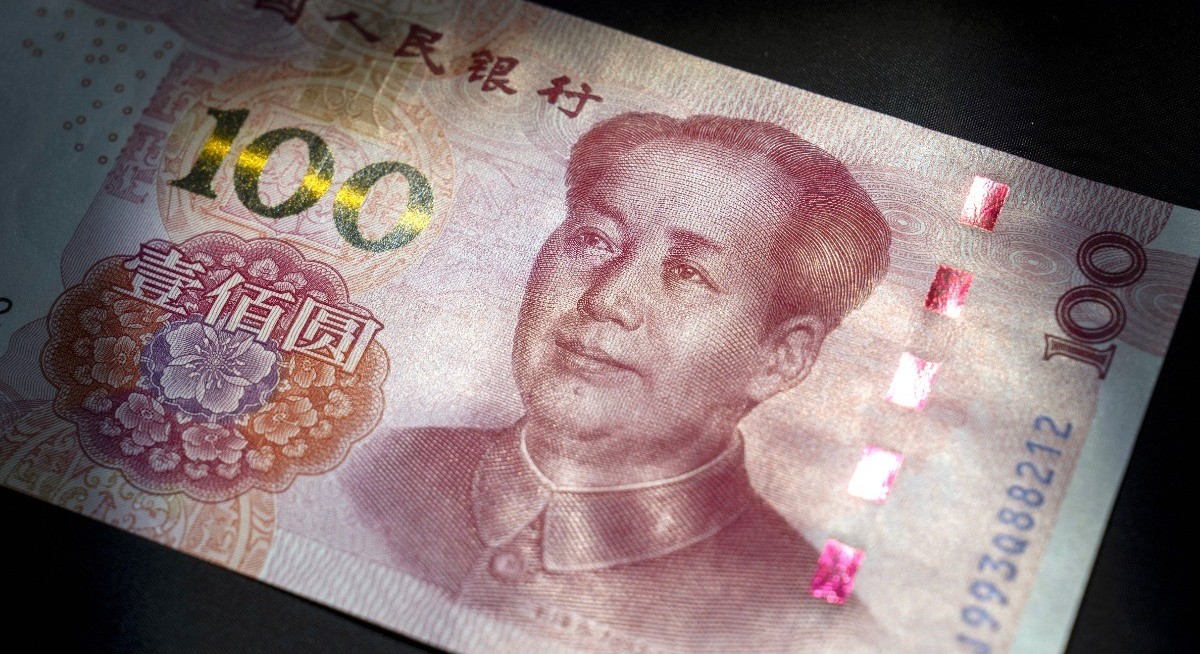


(April 27): China’s central bank is taking a further step to rein in a liquidity glut in its financial system by reducing the amount of medium-term funds it lends out to banks.
The People’s Bank of China is set to withdraw a net 200 billion yuan via its one-year medium-term lending facility in April. That would mark the first withdrawal under this tool since February 2025, according to Bloomberg calculations based on the operation plan released late on Friday. The net drain reflects an operation size that was smaller than the amount of maturing loans.
The move is another indication that the central bank is dialling back on some of its medium- to long-term liquidity support while keeping short-term funding conditions stable via daily open-market operations. That’s after its continued cash injections and weak credit demand led to surplus liquidity in the interbank market, driving borrowing costs to multi-year lows and fuelling a bond rally.
The central bank is likely rebalancing liquidity by removing some long-term funds and offering some short-term ones, said Zhaopeng Xing, senior China strategist at ANZ Bank China Co, noting the PBOC’s cash injection via seven-day reverse repurchase agreements on Monday.

China’s sovereign bonds fell, with the yield on 10-year government notes rising one basis point to 1.77%. Futures on 30-year bonds dropped as much as 0.6%, most in six weeks.
See also: China vows stronger energy security with Iran peace deal elusive
The net reduction via the MLF follows similar PBOC operations in three- and six-month outright reverse repurchase agreements, which saw the first net drain in almost a year in March. In April, withdrawals under outright reverse repos increased to 400 billion yuan from 300 billion a month earlier.
China’s overnight interbank repo rate was little changed at 1.23%, near a three-year low of 1.2% touched earlier in April. The cost of a one-year negotiable certificate of deposit, a popular funding tool issued by banks, hit a record low of 1.44% last week. That’s lower than the 1.5% cost of the PBOC’s one-year MLF reported in January.
“Rather than reflecting a proactive tightening, the fund withdrawals are more relevant to insufficient demand for liquidity in the market,” Yang Yewei, an analyst at Guosheng Securities, wrote in a note. Interbank funding costs are currently lower than the cost of PBOC’s liquidity, he added.
See also: CATL prices US$5 bil HK share placement at low end of range — Bloomberg
While the operations remove some cash from the market, the key to normalising the liquidity situation — which reflects weak credit and elevated savings — lies in improving loan demand, he wrote.
Uploaded by Arion Yeow




