


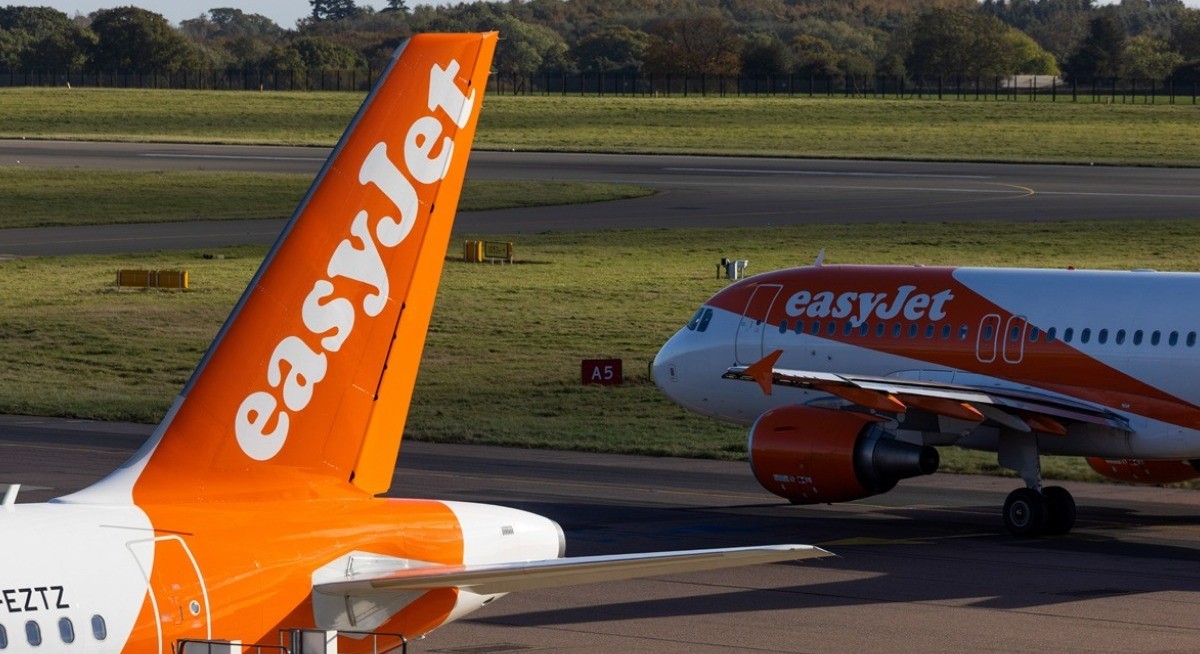


(July 11): The aviation industry has seen plenty of deals activity in recent years, but the battle between two US funds for EasyJet Plc stands out because the volatile, low-margin airlines business rarely draws financial suitors.
On Friday, the UK budget carrier received a surprise £5.7 billion (US$7.6 billion) counter offer from Apollo Global Management Inc. That beat a rival £5.5 billion proposal from Castlelake LP, which had crawled to a tentative agreement with the airline’s board over the space of a month and multiple improved bids
Apollo’s move suddenly puts two US investment funds in pursuit of the pioneer in no-frills flying. And while EasyJet prides itself in not being quite as bare-bones as regional rival Ryanair Holdings Plc, there’s hardly the easy fat and corporate inefficiency that private equity firms typically like to cut in a target.
Instead, Apollo went out of its way to play nice as it unveiled its intentions, lauding EasyJet’s management and highlighting the benefits of being able to quietly improve operations away from the glare of a publicly-traded company.
The specter of an opportunistic, short-term motive had hung over Castlelake’s bid from the start, with the airline’s board accusing the fund of swooping in just as its stock was depressed in order to get the airline on the cheap.

See also: EasyJet gets £5.7 bil bid from Apollo, outshining that by Castlelake
Airline assets
Both Apollo and Castlelake know a few things about handling airline assets. Castlelake has financed aircraft leases and was previously a co-investor in Air France-KLM’s takeover of Scandinavian carrier SAS.
Apollo runs an aircraft and aviation financing business that includes a leasing, management and finance company operating out of New York, Dublin and Singapore. It has also invested in Sun Country Airlines Holdings Inc, Aeromexico and Atlas Air Worldwide Holdings Inc, one of the world’s biggest air cargo operators.
See also: EIB pledges record €3 bil Airbus loan for tech development
Apollo has been successful in overhauling a number of struggling carriers that declared bankruptcy. The US firm acquired Aeromexico after the pandemic, and the airline has been profitable since 2023. Minnesota-based Sun Country’s value surged in the span of three years after Apollo acquired it and stripped the operator of premium features like first class seats and free carry-on bags.
But EasyJet would nevertheless expose the new owner to the whims of a sector that quickly gets jerked around by geopolitics and fickle consumers. Airlines generally operate with thin margins, and the likes of EasyJet and Ryanair have perfected the model of squeezing every last penny from operations, limiting room for further operation improvement that’s typically the hallmark of private equity turnarounds.
“Nearly every decade seems to bring an unexpected shock of some kind. That makes underwriting airline risk difficult for buyout firms, particularly once you layer in financial leverage,” said Paolo Battaglia, managing director in the industrials group at Lazard Inc. “The second obstacle is capital intensity: fleet renewal tends to consume much of the free cash flow that a buyout structure would otherwise need for debt service.”
Private equity buyers have announced US$8 billion of transactions targeting airlines over the last 20 years, according to data compiled by Bloomberg. That represents just 2% of their spend across the broader transport and logistics sector during that period, the data show.
Airlines also come with the weight of regulation, expensive assets, strike-prone employees that any buyer must deal with, crew and aircraft bases scattered around the region, jets in constant need of repair or upgrades, expensive landing slots and flyover rights. Add to that the risk of gyrating fuel prices, pandemics and regional wars that deter travelers, and the industry can quickly move from boom to bust cycles.
“While geopolitics, airline margin underperformance and intense European competition have played a part, it’s not surprising that private equity are contemplating ways to unlock value,” said Conroy Gaynor, a Bloomberg Intelligence analyst. “EasyJet has generally traded at a significant discount since travel fully resumed after the pandemic, especially when factoring in the underlying assets and orderbook.”
Major deals that have occurred in the industry have typically involved other carriers. In Europe, the three major groups — IAG SA, Deutsche Lufthansa AG and Air France-KL, are the result of regional consolidation. Lufthansa last snapped up Italy’s ITS, and several airlines are now circling around Portugal’s TAP as one of the last remaining major assets.
To stay ahead of Singapore and the region’s corporate and economic trends, click here for Latest Section
In the US, United Airlines Holdings Inc recently made an audacious foray with its pursuit of American Airlines Group Inc, though that plan quickly faltered because of political resistance. And at the lowest end of the value chain, Spirit Airlines was forced to shut down earlier this year because the surge in jet-fuel prices proved too much to absorb.
The arrival of two US funds in Europe not only creates regulatory complexity — a European airline can’t be majority owned by a US entity — it also shows how the two regions are prioritising different parts of the industry, said Jefferies senior analyst Sheila Kahyaoglu.
“The European airline market is actually enthusiastic about the low cost carriers, and they tend to do really well,” Kahyaoglu said in a Friday interview with Bloomberg Television. “In the US, it’s all about the premium legacy network carriers. It’s an interesting bifurcation in the different markets that we’re seeing.”
Uploaded by Liza Shireen Koshy




