




US tariffs cost the company 860 billion won in the quarter, while raw material price hikes fuelled by the Iran war added more than 200 billion won, an expense likely to be repeated this quarter, chief financial officer Lee Seung Jo said. Unfavourable exchange rates also resulted in a 270 billion won hit to the bottom line.
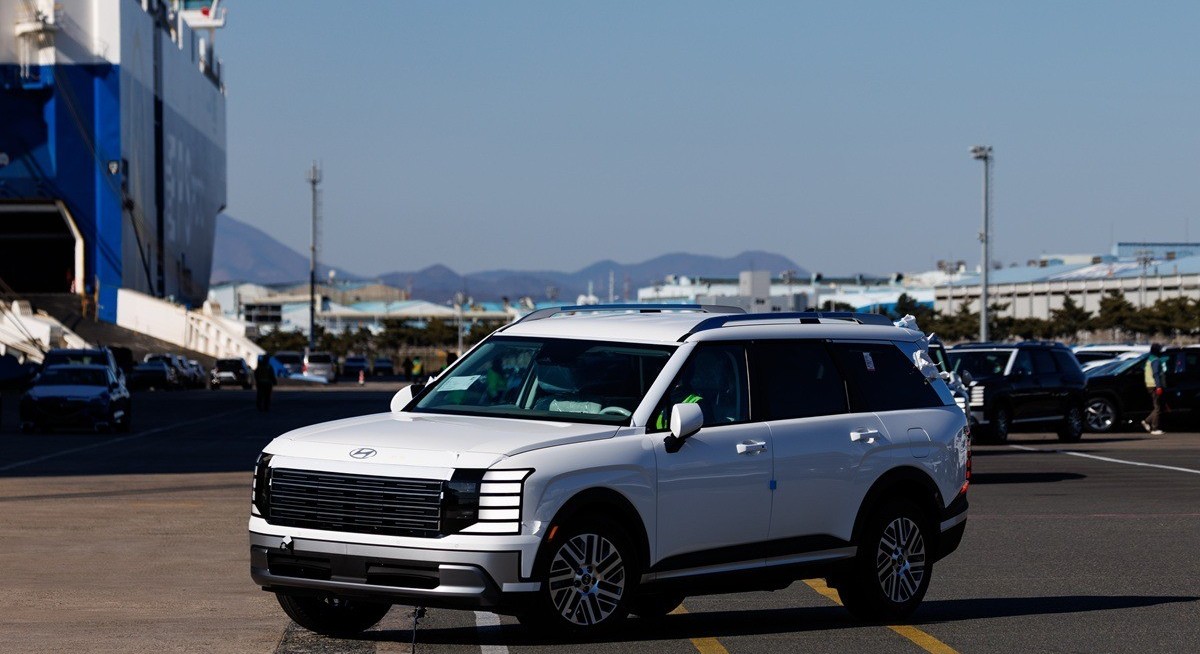
“The global environment is more uncertain than ever,” Lee said on an earnings call, noting that quarterly operating profit would have reached three trillion won without geopolitical factors and temporary production hurdles for its popular Palisade sport utility vehicle.
The results highlight how the stalling transition to electric vehicles and intensifying competition with Chinese rivals are casting a shadow over the sales outlook for South Korean carmakers. Meanwhile, the Iran war is causing havoc with supply chains and driving up production costs, threatening to damp global consumer sentiment even further.
Hyundai and its affiliate Kia Corp continue to face the fallout from US tariffs, which cost the two companies more than US$5 billion combined last year and contributed to Hyundai’s lowest quarterly profit in more than three years during the final quarter. While auto levies have since been reduced to 15% from 25% under a trade deal between the two countries, the ongoing pressure remains a drag on margins.
See also: Volvo eyes US$3 bil autonomous truck business in five years
A fire last month at a parts maker created some supply disruptions, but Hyundai is currently testing alternative products and expecting to resolve the situation in the second half, Lee said.
Hyundai shares fell as much as 3% in Seoul trading before paring earlier losses. Despite the headwinds, the stock has rallied nearly 80% this year, buoyed largely by investor optimism surrounding the company’s push into robotics following the unveiling of its latest Atlas humanoid model.
Mounting pressure from US tariffs and the rollback of EV support have prompted Hyundai and Kia to spur efforts to increase output in the US, while recalibrating their future lineups to embrace more hybrid models and trucks. The automakers currently produce as much as 50% of their vehicles sold in America in the country.
See also: BYD debuts smart-driving chip it calls China’s most powerful
But Hyundai chief executive officer José Muñoz has warned that the localisation push will take years, forcing immediate cost-cutting measures and price adjustments to cushion the impact. The company has also said its revenue would grow by only 1%-2% this year, with profit growth limited to 1%, citing tariffs and tougher Chinese competition.
In a bid to win back market share in China, Hyundai plans to launch a new Ioniq sedan specifically designed for the world’s largest car market in the second half of this year, after unveiling two concept models at this week’s Beijing auto show.
The sedan will feature CATL batteries and autonomous driving technology developed in collaboration with Chinese software developer Momenta. Hyundai is also leveraging its partnership with BAIC Motor Corp, which Lee said helps drastically cut costs via joint procurement and sourcing.
While near-term geopolitical challenges persist, Hyundai’s production volume could rebound in coming quarters thanks to ramped-up production of the Palisade SUV and the European launch of affordable EVs like the Ioniq 3, according to Macquarie Securities Korea Ltd analysts including James Hong.
Investor interest may get a fresh boost when Hyundai opens its Robot Metaplant Application Center, designed to train the Atlas humanoid robot and analyse datasets collected from real-world factory operations, later this year, Hong wrote in a note before the earnings announcement.
Through partnerships with Nvidia Corp and Google DeepMind, Hyundai aims to churn out as many as 30,000 robots annually in the US and deploy them across its plants starting in 2028.
Wholesale deliveries during the first quarter were about 980,000, down 2.5% from a year ago. Unit sales in North America climbed 0.3%, while EV and hybrid sales in Europe jumped 23%, according to Hyundai data. Global sales on a retail basis fell 0.7% to 950,000.
Global sales of electrified cars surged 14% from a year before, accounting for nearly 25% of the total.
Uploaded by Liza Shireen Koshy




