


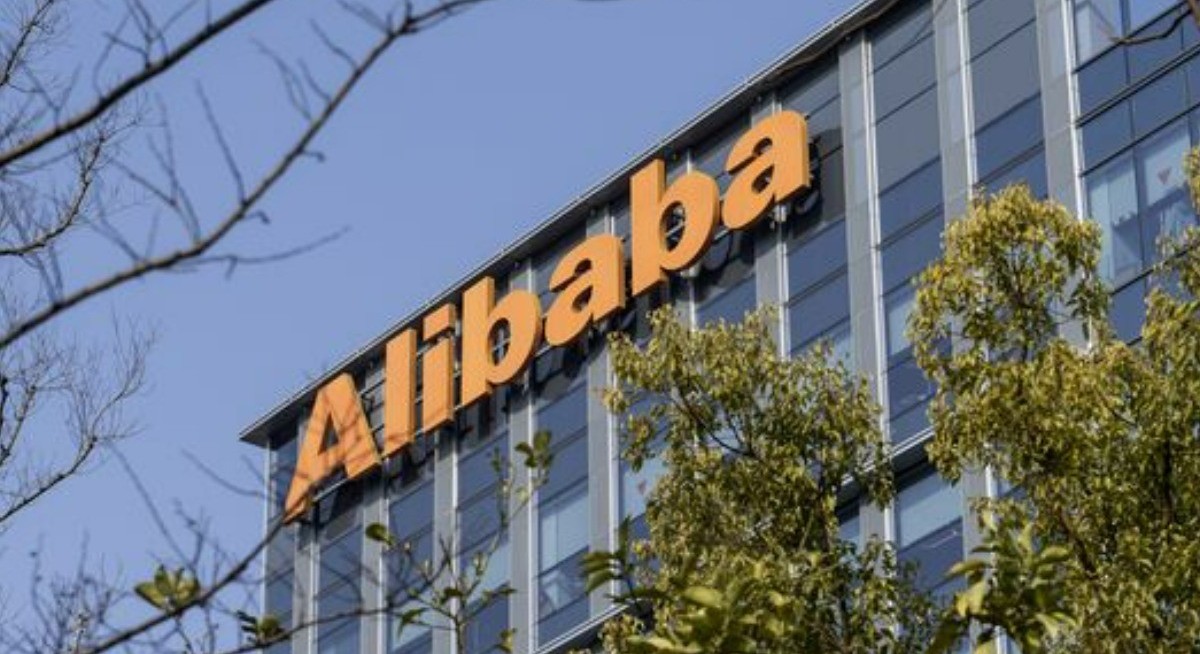


(March 16): Alibaba Group Holding Ltd is setting up a business unit to bring its sprawling AI services and development endeavours under a single umbrella, signalling its determination to profit off artificial intelligence.
The company is moving the research team that develops its flagship Qwen models, the consumer-facing app division, as well as major AI-related products into a unit headed by chief executive officer Eddie Wu. Simply called Alibaba Token Hub, the new division will also oversee Alibaba’s Slack-like DingTalk app and devices under the Quark brand such as smart glasses, Wu said in a memo to employees reviewed by Bloomberg News.
The revamp comes as Alibaba grapples with questions about its AI strategy following the recent sudden departure of Qwen’s star research lead. The idea is to quicken interaction between the various teams that underpin Alibaba’s broader effort, from researchers to product development and design. It also signals the company’s clear emphasis on monetising AI: the division’s name is a direct reference to the units of computing that companies charge users.
Alibaba didn’t say whether it will earmark new investment along with the overhaul, intended also to sharpen its sales pitch to enterprise AI customers and propel the adoption of Qwen — the GPT-like model that helped establish Alibaba among China’s early frontrunners.
Domestic AI aspirants from Alibaba to MiniMax Group Inc are finding it harder than Western rivals such as OpenAI to translate AI advances into profit, given Chinese consumers’ reluctance to pay for software subscriptions. Most Chinese models are open-source and free to download, creating a wide disparity in revenue between the nation’s leading developers and US peers such as Anthropic PBC.
“ATH is built around a single organising mission: create tokens, deliver tokens and apply tokens,” Wu said in the memo. I will lead ATH directly, with a mandate to drive strategic coordination across our AI businesses, embed AI deeply into how we work, and preserve the agility that lets us move fast.”
See also: Meta to spend up to US$27 bil on AI infrastructure from Nebius
Alibaba, scheduled to report quarterly results on Thursday, had mostly focused on selling enterprise-facing AI and cloud computing solutions before revamping its Qwen app last year for consumers. But the app still lags behind competitor ByteDance Ltd’s Doubao, despite spending billions of yuan in “red packet” consumer promotions during last month’s Lunar New Year holiday. With the latest restructuring, Alibaba is likely diverting more resources back to its enterprise-facing businesses.
In the near term, Alibaba plans to release a dedicated agentic AI service for companies, according to people familiar with the matter. It’s banking on national enthusiasm around artificial intelligence assistants like OpenClaw that help users perform actual tasks.
The Chinese company may announce the new AI agent product, based on its flagship Qwen model and tailor-made for enterprises, as soon as this week, people familiar with the matter said. The company plans to gradually integrate other services with the agent, including online shopping site Taobao and fintech platform Alipay, the people said, asking to remain anonymous discussing private plans. The tool was developed by the team that runs DingTalk, the people added.
See also: Private AI: From sovereignty obligation to business advantage
Wu is one of Alibaba’s original co-founders and served as the CEO of the group and the Alibaba Cloud unit since 2023. He outlined a plan last year to get Alibaba building a full-stack of AI offerings, including hardware, and promised over US$53 billion ($67.9 billion) of investment in the emerging technology.
“Alibaba is set to deepen its agentic AI ecosystem across Taobao, Amap and Alipay through 2026, using Qwen to move users from intent to payment within a single conversation. By compressing search, recommendations, checkout and fulfillment into one platform, Qwen can reduce funnel drop-off while lifting conversion and order frequency, particularly in food delivery and instant retail. As richer intent data accumulates, Alibaba can roll out more targeted perks and scale back discounts while sustaining engagement,” said Bloomberg Intelligence.
But this month, the architect of Qwen resigned in a surprise departure that rattled the developer community and raised questions about the Chinese online leader’s pivot to artificial intelligence. Junyang Lin was one of the most influential figures behind Alibaba’s transition to AI, an endeavour intended to drive its next phase of growth beyond online commerce. During his tenure, the Qwen series of models became the foundation for Alibaba’s marquee AI app and services, and consistently ranked among the world’s top-performing platforms.
In subsequent days, Alibaba sought to quell widespread speculation that Lin’s exit would encourage more resignations.
Uploaded by Magessan Varatharaja




