


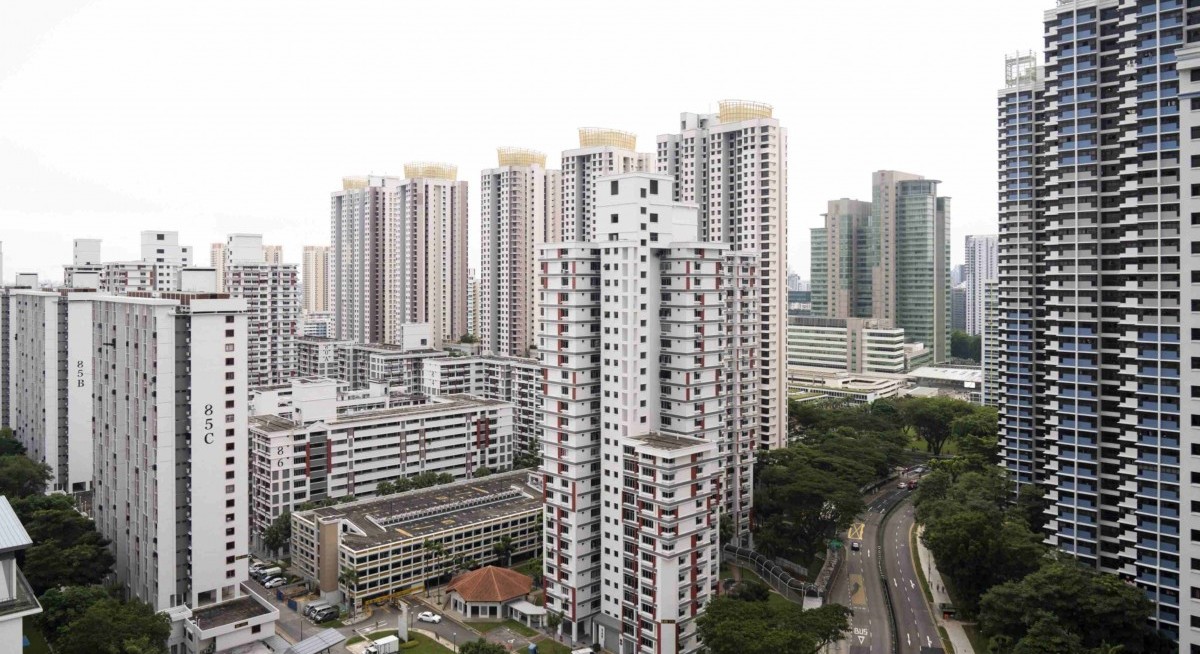


The minimum occupation period (MOP) for executive condominiums (ECs) will be doubled from five years to 10 years, announced the Ministry of National Development (MND) on May 8. Buyers of new ECs will need to fulfil a 10-year MOP before they can rent out their whole unit, purchase another residential property or sell their EC unit to Singapore citizens or permanent residents.
New ECs will also become privatised after 15 years, up from the current 10 years.
In addition, developers must reserve 90% of EC units for first-timer families, up from 70% previously. This priority period for first-timer families has also been extended from the first month of the project’s launch to two years. After the two-year period, developers can sell the remaining units to all eligible buyers, including second-time buyers.
Developers will no longer be able to offer the Deferred Payment Scheme (DPS), which allows buyers to pay just 20% of the purchase price upfront and the remaining 80% when the project obtains its Temporary Occupation Permit (TOP). Instead, all EC buyers will have to use the Normal Payment Scheme (NPS), where buyers make progressive payments based on construction milestones.
These three new measures will apply to all EC government land sales (GLS) sites with tender closing dates on or after May 8.
ECs were introduced in 1995 to provide a more affordable option for Singaporeans who aspire to own private housing. ECs are strata-titled and are developed and sold by private developers, with design features and facilities similar to private condominiums. They are priced by developers at around 20% to 30% lower than comparable private condominiums, according to MND.
See also: Freehold five-storey shophouse at 42 South Bridge Road for sale at $33.4 mil

A third of buyers did not stay long in their EC: Realion
As ECs are purchased at much lower prices than other new private properties, many EC buyers have been reaping substantial gains by selling their properties shortly after TOP, says Christine Sun, chief researcher and strategist of Realion Group (OrangeTee & ETC).
See also: S’pore property sentiment index plummets into ‘pessimistic territory’
About 94.6% of the 8,827 matched new-sale-to-resale transactions occurred within 10 years of TOP, according to Realion’s data, which involves matching Urban Redevelopment Authority caveat data of ECs bought and sold between 2010 and 2025.
The majority (76.4%) of transactions took place within five to seven years of TOP, which is less than two years after owners fulfilled the five-year MOP, notes Sun.
In fact, the highest number of transactions occurred during the fifth year after TOP, with 33.1% selling their units immediately upon reaching the five-year MOP, indicating that a third of buyers did not stay long term in their EC.
Lower headline prices
Kelvin Fong, CEO of PropNex, says the changes may lead to “slight downward pressure” on headline EC prices. “Units sold under the DPS usually see a small price premium of 2% to 3%. The removal of DPS aligns EC financing with that of other private homes, and will help to instil greater financial prudence among EC buyers.”
Under DPS, buyers have greater short-term cashflow flexibility as they are able to defer loan servicing till the EC project is completed, notes Fong.
In contrast, under the NPS, loan instalments start earlier and the loan repayment amount will rise over time as the EC project is being built, he adds.
Scrapping the DPS “may potentially slow EC sales temporarily” as prospective buyers take time to do their sums, says Fong. “Without DPS, prospective buyers will have to be more prudent in their purchase, and some may perhaps opt for smaller units to keep within their housing budgets.”
He adds: “It is possible that some households may defer their EC purchase or consider other housing options that more comfortably fit their budget. However, in view of favourable interest rates, some buyers could be encouraged to take up the NPS, while many upgrader households may still be able to adapt as they have built up savings, and can unlock capital gains from their flat when it is resold.”
‘Overwhelming’ demand from second-timers expected
From 2021 to 2025, about 75% of ECs that were transacted on the open market were sold within five years after their MOP, up from 45% over the preceding five-year period, according to MND.
There has been a rising number of ECs sold in the resale market after five years and making extraordinary gains of more than $1 million, says Mark Yip, CEO of Huttons Asia.
In 2025, there were 162 such transactions and the average holding period was 9.6 years. The biggest gain was more than $2 million for a four-bedroom unit in The Tampines Trilliant in April this year.

The longer MOP for EC land parcels sold after May 8 will enhance the appeal of existing ECs with a five-year MOP and yet-to-launch EC projects at Senja Close, Woodlands Drive 17, Sembawang Road and Miltonia Close, according to Yip.
“Based on data from the last two EC projects, more than 75% of buyers opted for a deferred payment scheme,” says Yip. “This may discourage some HDB upgraders who have an outstanding loan from buying a new EC, as they may not be able to service two housing loans.”
With a smaller allocation of 10% to second-timers, Yip expects demand from second-timers to be “overwhelming” when the EC project is launched for sale.
“For second-timers who are unsuccessful in buying a new EC unit, they will have to wait two years before they can buy an EC. These second-timers may shift their focus to another new EC project, new private non-landed launch or the resale private/EC market,” he adds.
Typically, the second-timer EC quota is quickly filled on launch day, notes PropNex’s Fong, while first-timer demand does not fully absorb the remaining unsold EC units at the project.
“Sales usually pick up again during the second round of balloting one month later when more second-timers are able to book units,” Fong adds. “With the priority period stretched to two years, it will also give first-timers more time to plan and deliberate on buying decisions, before more second-timers enter to book units.”
If more second-timers choose to buy a new private residential home, they will likely sell their existing HDB flat and rent a place to stay in while waiting to move to their new home so that they do not need to pay additional buyer’s stamp duty (ABSD), says Yip. “This will increase the supply of resale flats for sale and exert a downward pressure on HDB resale prices, especially when the supply of MOP flats will increase from 2026.”
ECs may take longer to sell out
With the demand pool for new EC potentially reduced, it may take “slightly longer” to sell out a new EC project, notes Yip. “Developers are likely to factor in the new policy and bid lower for the two upcoming EC tenders at Canberra Drive and Sembawang Drive. Bid prices may be up to 10% lower than previous bids.”
This may potentially translate into more attractive prices for buyers, he adds.

“If the time to sell out an EC project is longer, it may reduce the urgency of developers to bid for land. It may potentially lead to lower participation in GLS tenders and more stable land bids, which will lead to steady prices.”
Nevertheless, lengthening the MOP may not discourage all potential buyers especially if the EC site is appealing, says Realion’s Sun. “This has been observed at some ‘prime’ and ‘plus’ Build-To-Order (BTO) flat locations that continue to draw high application rates as buyers believe the good locations justify the lengthy 10-year MOP.”
Sun adds: “However, concerns may arise if the EC site is viewed as less favourable than ‘prime’ and ‘plus’ locations. Some EC buyers may feel constrained by the extended 10-year MOP, particularly if their lifestyle needs change over time and they wish to move to a home with more amenities.”
On the overall demand for new EC, Fong notes that this is expected to remain healthy, given the “relative affordability” of ECs compared to private homes, the perception of “strong value and upside potential”, a steady HDB upgrader pipeline and the tight supply of new EC units.
Yip highlights that there may be a spillover effect on the private residential market, with “some buyers who were considering a new EC may look at new private residential projects [now as these projects] have fewer [resale] restrictions”.
Ahead of Budget 2026 earlier this year, PropNex and ERA both proposed to gradually raise the household income ceiling and mortgage servicing ratio (MSR) for EC buyers. These were not implemented in the latest changes; the cap remains at $16,000 and the MSR stays at 30%.




