




This is backed by an “unyielding demographic engine”, says Fazal Bahardeen, founder and CEO of CrescentRating and HalalTrip. Based in Singapore, Fazal’s team aims to build a TripAdvisor-like travel platform for Muslim travellers.
“The global Muslim population is scaling from 2.22 billion in 2026 to 2.57 billion by 2036. With a youthful median age of 25 to 27 years, nearly 70% of this population are digitally native consumers under 40,” he adds in a 93-page report accompanying the release of the GMTI 2026.
Ranking countries in the region, Malaysia retained its position as the best overall halal-travel destination, scoring 83 and beating out Indonesia, Saudi Arabia and Turkey — all tied for second place.
Notably, Indonesia surged three places from last year, attaining a score of 79. Singapore led non-Organisation of Islamic Cooperation destinations at 73, with Hong Kong right behind at 64 points.
According to the GMTI, Southeast Asia is on a streak, overtaking Western Asia as the “preferred travel corridor” for Muslim travellers in 2026. Fazal’s team attributes this shift to proximity, cost and a density of established halal ecosystems.
Opportunities in hospitality
Visitors from Indonesia and Malaysia — both Muslim-majority markets — accounted for more than 20% of Singapore’s international arrivals between January and September of 2025, according to the Singapore Tourism Board.
See also: Accor’s Handwritten Collection opens 50th location globally
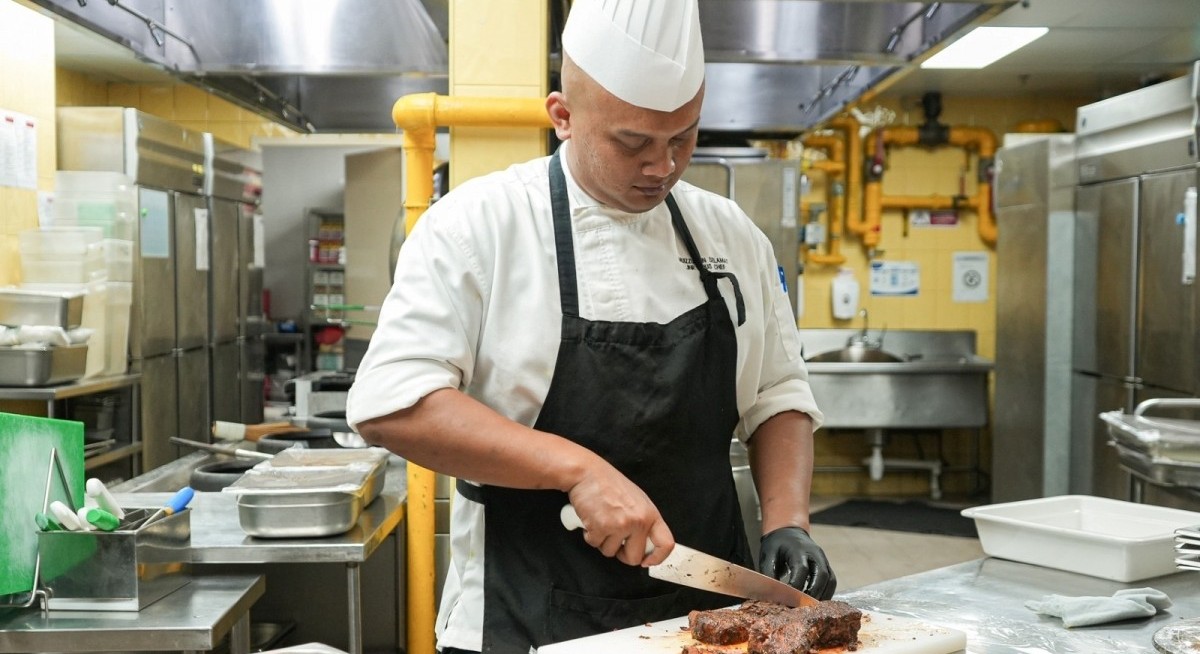
Millennium Hotels and Resorts (MHR), a Hong Leong Group subsidiary of City Developments (CDL), says it is committed to catering to this growing demographic across its three halal-certified kitchens at Orchard Hotel Singapore, M Hotel Singapore and Grand Copthorne Waterfront Hotel.
According to MHR, these kitchens serve over 120,000 guests and support more than 600 halal-certified events annually, with the group seeing a consistent 15% to 20% annual increase in halal-related banquet enquiries over the past five years.
“Halal certification is an important part of how we broaden our market reach and better serve the diverse needs of our guests,” says Benedict Ng, vice-president of Southeast Asia operations at MHR. “Today, halal-certified events account for at least 30% of our total banquet revenue across participating properties, demonstrating the commercial value and growing importance of this segment to our business.”
Since embarking on its halal certification journey in 2010, MHR has invested more than $1 million in infrastructure, operational processes and staff training to ensure compliance with halal requirements across its properties.
In a June 16 announcement, MHR says it will “continue to evaluate opportunities to expand halal-certified capabilities across its portfolio”.
“As organisers increasingly seek venues that can accommodate diverse attendee requirements, halal-certified operations have become an important capability for the hospitality industry. Our investment allows us to support everything from intimate celebrations to large-scale conferences and conventions, while ensuring an inclusive experience for all guests,” adds Ng.




