


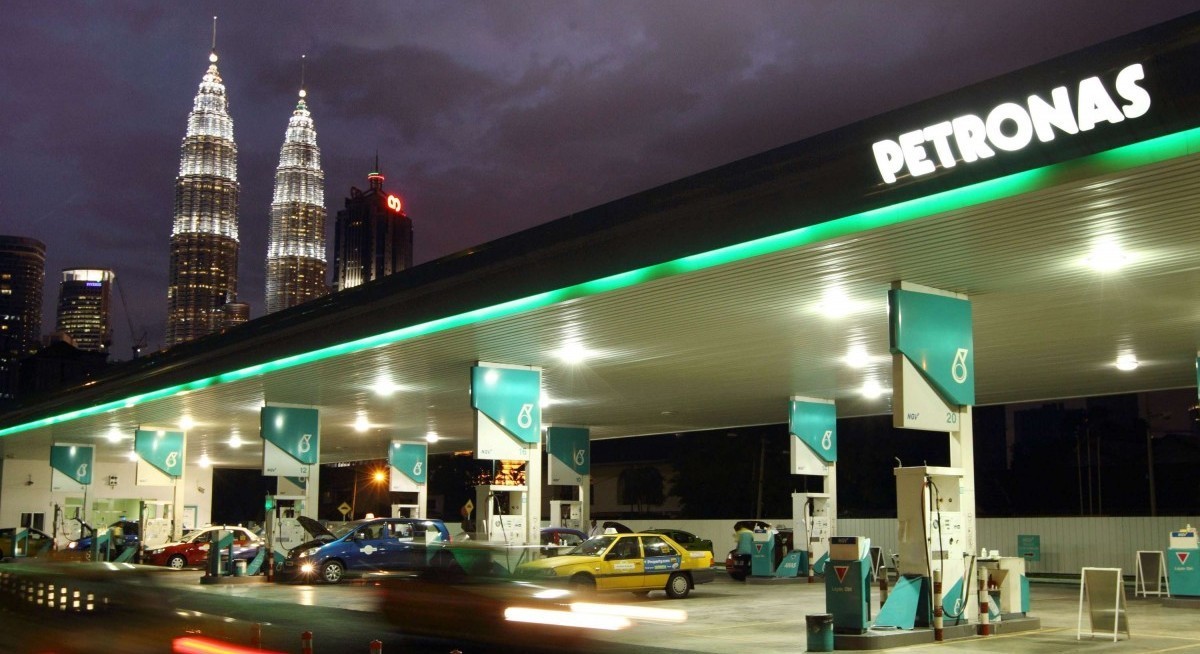


Malaysia is a net energy exporter. Therefore, the impact of higher oil price on the nation is net positive. High oil prices will translate into better profits for Petroliam Nasional Bhd (PETRONAS), which is wholly owned by the government of Malaysia. Chart 1 tracks the historical oil prices (blue line) versus government income, including PETRONAS’ profits, less subsidy expenses (green line). The blue and green lines move in tandem, that is, higher oil price = higher net income for the nation.


But the impact on the fiscal deficit is net negative. Historically, the cost of subsidies (green line) moves more or less in line with the rise and fall of petroleum-related income, excluding PETRONAS dividends (blue bar), which mirrors oil price (blue line) movements (see Chart 3). However, the cost of subsidies has ballooned in the past few years (since 2021) and now far exceeds the government’s petroleum-related income. This means that with higher oil prices, the increase in cost of subsidies, primarily for RON95, will more than offset the increase in petroleum-related tax income. In short, fiscal deficit will worsen if oil prices stay elevated and RON95 prices remain at RM1.99 per litre. This is what the prime minister is alluding to.
See also: The great misreading of China: Why exports are a consequence, not a strategy

We think keeping petrol prices stable — especially if the surge in oil prices is expected to be temporary — is right. It will temper the direct inflationary impact on the domestic economy. And avoid an upward spiral in cost of living. It is worth bearing in mind that once consumer prices go up, they hardly ever come back down — even when oil prices subsequently fall.
The fiscal deficit can be managed with higher dividends from PETRONAS (since its profits will be higher). Obviously, consistently taking ever more dividends from PETRONAS is not sustainable — PETRONAS must make sufficient investments to preserve the nation’s oil reserves and production capacity to ensure the sustainability of future incomes — but it can be done, to maintain short-term fiscal stability. This has happened in the past — when there has been a need, for instance, during the Covid-19 pandemic.
See also: The builders and the beneficiaries: from Global Crossing to AI
Of course, some secondary impacts are inevitable from the global economic slowdown — with Malaysia’s heavy reliance on exports — and the magnitude of these effects will depend on the duration of the supply disruptions. Persistent high oil and gas prices are inflationary, and higher inflation will erode real income and consumer purchasing power and could lead to higher interest rates and borrowing costs. Apart from oil and gas, there is also supply disruption for key ingredients used to produce fertiliser, which could affect future harvests and food prices. The Middle East region is also a key transshipment hub for consumer goods between Asia and Europe.
On a more positive note, we do not foresee a repeat of the 1970s oil shocks that triggered a global stagflation (high inflation plus slow economic growth or recession). For one, we do not think oil prices will remain elevated for too long since the current price surge is a logistics issue (supply is stuck in the Persian Gulf, as passage through the Strait of Hormuz is being blocked). There is ample supply of oil and gas in the world. US President Donald Trump is already signalling a potential end to the war very soon.
The importance of oil in economies has also declined — countries have diversified away from oil (including into renewables) and many have built strategic oil reserves (to buffer against short-term shortages). Most advanced economies today are less reliant on energy-intensive industrial/manufacturing activity and are more service-oriented. Thus, we believe a short-lived oil supply disruption should have a relatively small impact on the global economy.




