




However, the stock flagged. In June of this year, Warner Bros announced a plan to split into two businesses, one focused on cable TV, the other on streaming and studios. Zaslav calculated he could get a hefty premium for the streaming and studio businesses once they were separated from the debt-laden cable networks, people familiar with the deal said.
Then, in the fall, Paramount made three unsolicited offers for the entire company. Absorbing it would give Paramount the combined resources of two major studios — Paramount and Warner Bros — and two major streaming services — Paramount+ and Warner Bro’s HBO Max.
Warner Bros officially put itself up for sale in October.
How do the Netflix and Paramount offers compare?
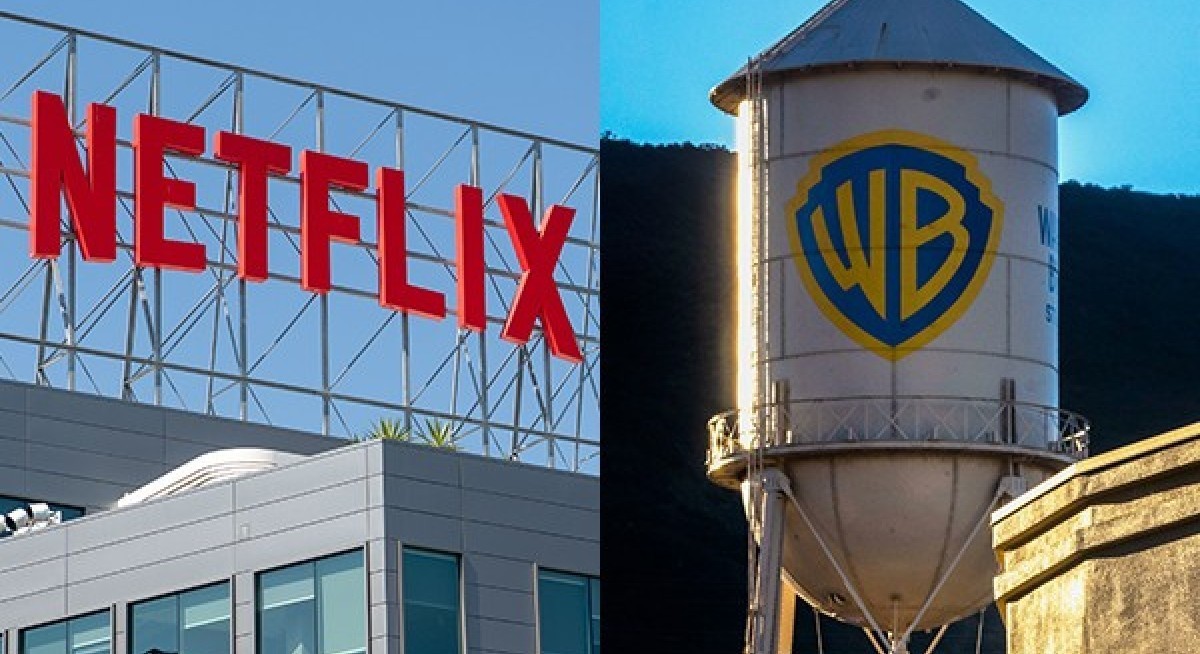
Netflix would buy only Warner Bros’ Hollywood studios and streaming business; its cable TV networks, including CNN, TNT and the Discovery Channel, would be spun off in advance of the merger. Netflix is offering US$27.75 in cash plus stock.
See also: Asian shares rise as tech rebound holds, oil slips
Paramount is offering US$30 a share for the whole of Warner Bros. If Warner Bros accepts an offer other than Netflix’s, it would be required to pay Netflix US$2.8 billion under their agreement. That high breakup fee would be an additional cost Paramount would have to consider as it continues to pursue the company.
What regulatory issues does a sale of Warner Bros raise?
Any sale would face scrutiny for a year or more by regulators in multiple jurisdictions, including the US Justice Department and the European Union, before it could close. The Netflix-Warner Bros agreement has attracted criticism from both Republican and Democratic politicians in the US because it would create a behemoth with significant control over the streaming market. The transaction would merge two of the world’s largest streaming services and two of the biggest makers of films and TV shows.
US President Donald Trump said that the “big market share” of the combined entities “could be a problem.” Trump said he would be personally involved in the transaction’s review. The president has longstanding ties to Oracle Corp. co-founder Larry Ellison, whose son David is Paramount’s CEO. Among the backers of Paramount’s counteroffer is Affinity Partners, the private equity group of Jared Kushner, Trump’s son-in-law.
See also: European stocks rally to cap best week since May as US futures rise
Paramount has argued that its proposed merger is more likely to be approved because it has fewer streaming customers than Netflix. But it would still face scrutiny from antitrust regulators concerned about market consolidation.
Netflix agreed to pay Warner Bros a US$5.8 billion breakup fee if their deal isn’t approved. The agreement has also seen pushback from movie theatre owners and fans.
What’s the concern about cinemas?
In the past, Netflix put just a few films in theatres for limited runs, usually to qualify for industry awards such as the Oscars. It considers viewers at home its primary audience.
Cinema United, the trade association for theatre owners, called the Netflix deal “an unprecedented threat to the global exhibition business.”
Netflix is pledging to maintain Warner Bros’ current operations and “build on its strengths, including theatrical releases for films.”
On a Dec 5 conference call with investors, Netflix co-CEO Ted Sarandos said the company will release about 30 films in theatres this year. His chief gripe with the standard industry release strategy is the time it takes films to move from cinemas to streaming. “I wouldn’t look at this as a change in approach for Netflix movies or for Warner movies,” he said. He added that film releases “will evolve to be much more consumer-friendly to be able to meet the audience where they are quicker.”
What would happen to HBO Max if the Netflix deal closes?
While not specifically saying so, Netflix executives suggested they would continue to operate HBO Max as a separate service, much like Walt Disney Co offers both Disney+ and Hulu. Services are typically bundled together at discounted prices.
Netflix co-CEO Greg Peters told analysts that there is a high overlap between Netflix and HBO Max subscribers, who he said generate significant revenue. He said that Netflix could offer different packages and pricing tiers, and sell HBO content more aggressively globally.
For more stories about where money flows, click here for Capital Section
Would Warner Bros CEO Zaslav stay around?
The longtime media executive wasn’t present for Netflix’s announcement of the deal. Zaslav hasn’t commented publicly beyond the press release and a memo to staff. No specific roles have been determined for him in the combined companies, according to people familiar with the discussions.
What’s Warner Bros’ plan for its cable networks?
Warner Bros is continuing plans to spin off its cable-TV networks — including CNN, TNT and HGTV — into a new company, Discovery Global, that will be led by Warner CFO Gunnar Wiedenfels. The spin-off is expected in the third quarter of 2026.
How would the Netflix deal impact jobs?
Netflix is targeting US$2 billion to US$3 billion in cost savings and other synergies in the first few years after the transaction. Most of that would come from reductions in general and administrative expenses, specifically support functions of the businesses where there is overlap, Peters said. — Bloomberg Quicktake




