


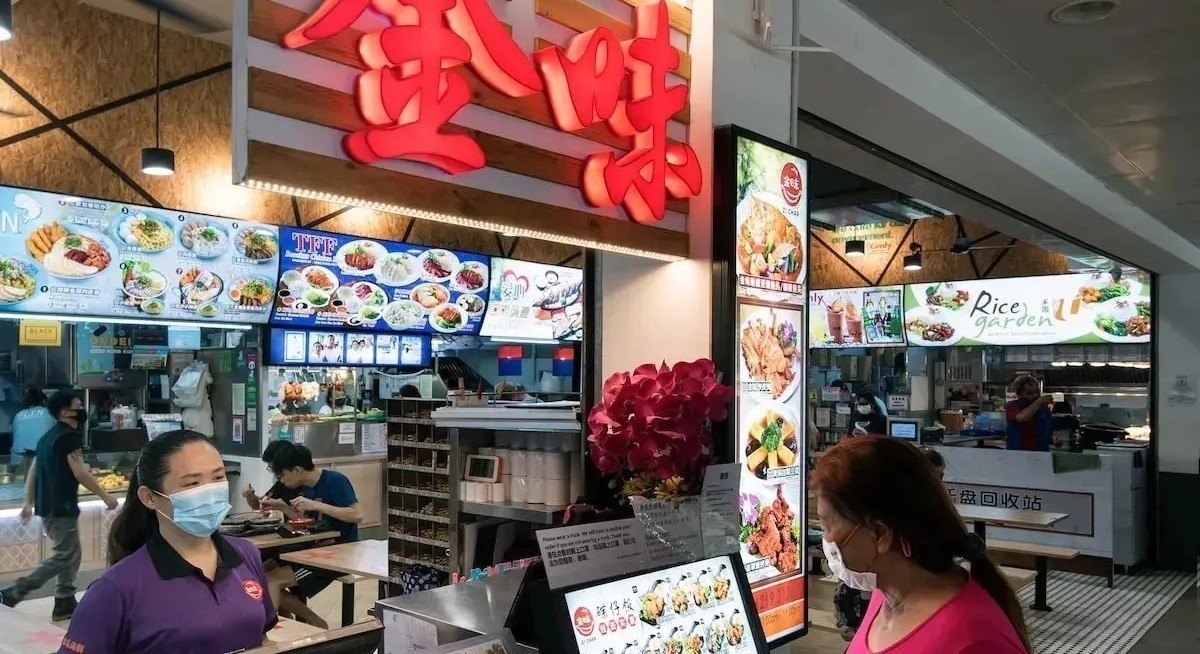


By tapping on its central kitchens, Kimly is able to offer competitive pricing relative to competitors.
With net cash of $63 million, Kimly is also well positioned to acquire or form joint ventures with other "stressed" operators.
The company has also expanded into what is seen as the "under penetrated" halal coffee shop segment, part of an overall market estimated to be worth $1 billion.
Chee believes that Kimly can sustain low-single digit top line growth through steady 2-3 outlet additions annually, which is likely to translate into earnings growth of between 3 and 5%.
See also: CGSI and DBS like Thai Beverage with Vietnamese milk
The company is growing via a combination of new tenders, joint ventures and acquisitions.
According to HDB, there are 43 new coffee shops slated for completion between 2026-2030, providing a near-term growth runway.
"Beyond this, we see potential for consolidation across the broader F&B industry consisting of coffee shops, food courts, and industrial canteens, which is highly competitive and fragmented," says Chee.
See also: Info-Tech to benefit from 'structural shift' in government's AI-related push: RHB
From his perspective, smaller players without central kitchens are likely to face significant profitability pressure from rising labour costs and limited pricing power.
"We are also seeing an increasingly trend of coffee shop operators trying to monetise their assets ahead of retirement. This presents an opportunity for Kimly to acquire these assets," says Chee.
As a listed company, Kimly can raise more capital with placements and other means to fund such deals.
Kimly shares closed at 40 cents on May 6.




