




For its FY2025 ended Dec 2024, Geo Energy's revenue was 113% of his expectation but earnings were just 70% of what he projected, which can be attributed to a spike in tax rate from an estimated 22% to 63%, due to new taxable income computation on local coal price indexation rather than realised coal prices.
That aside, Chew sees a key positive attribute ahead for the company.
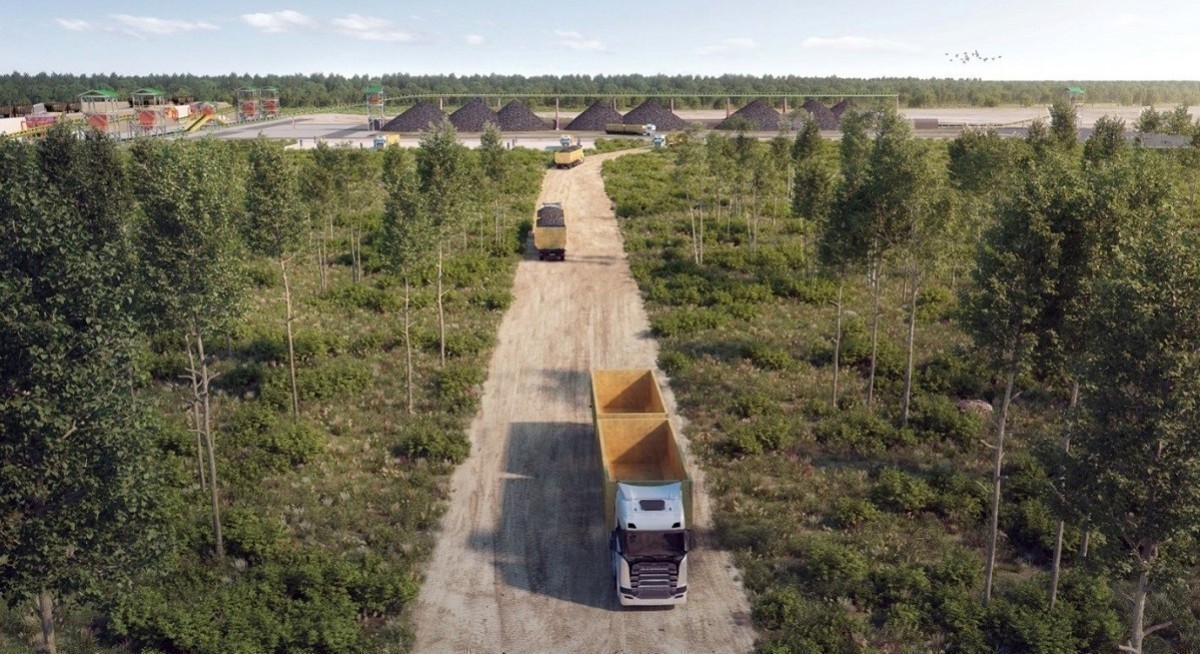
For one, Geo Energy's new 92-km-long hauling road that is now under construction at a cost of US$190 million to bring coal more easily from the inland mines to the jetty is now 80% built. The road will undergo testing and commissioning from April this year and commercial usage planned this August and September.
When fully completed, the road plus jetty system can handle a total of 50 million tonnes a year. Geo Energy will take up half for its own use and lease the remaining half to nearby miners and meaningful earnings from the leasing fees will manifest in FY2028.
See also: Info-Tech to benefit from 'structural shift' in government's AI-related push: RHB
Chew is projecting 2.5 million tonnes to be shipped through the new infrastructure in 4QFY2026.
In reaching his revised target price of 75 cents, Chew has lowered a discount applied to this infrastructure segment from 60% to 50%.
Coal production is set to increase as well, not this year but significantly so in the coming FY2027.
See also: Mittal of DBS maintains 'buy' on Singtel on sale of Gulf Development stake
Chew estimates production this year to remain the same as FY2025's 12 million tonnes but will jump to 20 million tonnes in FY2027.
At the same time, coal prices are seen to recover from around US$40 per tonne to US$50 or more, he says.
In addition, with more efficient logistics in place, Chew expects Geo Energy to lower its unit production cost by US$3 per tonne, providing a further lift to earnings.
Geo Energy Resources shares dropped 1.85% to 53 cents as at 3.14 pm but has gained 65.63% in the past year.




