


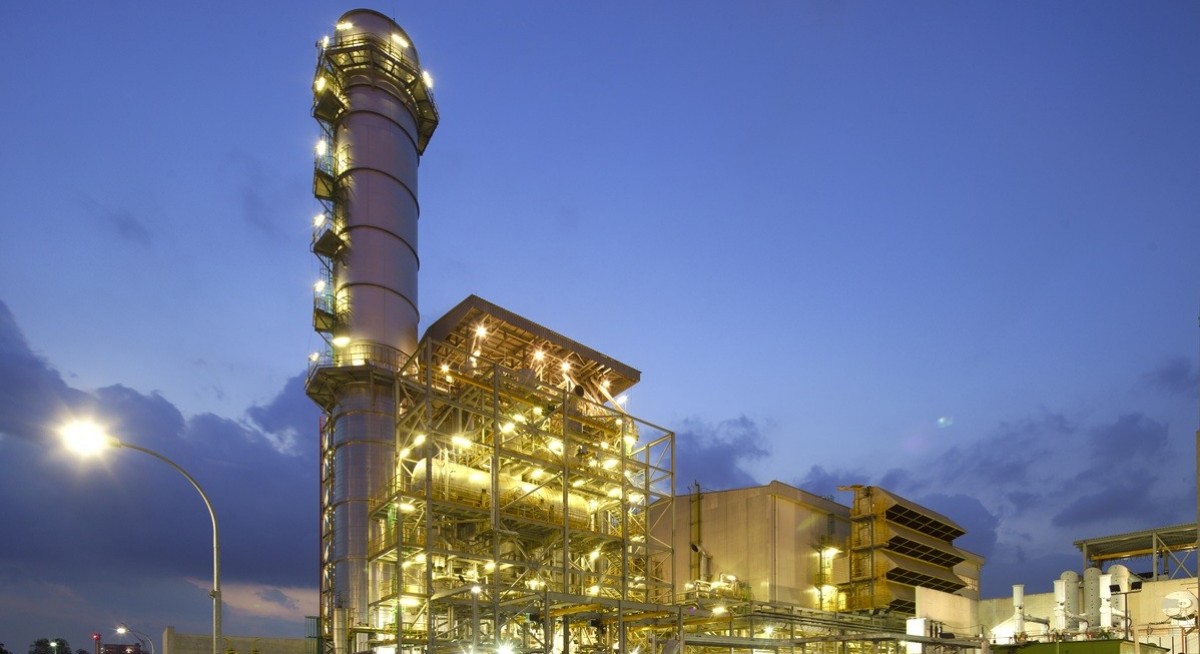


"We view the asset positively from an energy security perspective, as it supplies around 10% of Singapore’s electricity needs. Its hydrogen compatibility effectively extends the asset’s runway and improves visibility of the capacity tolling agreement beyond 2040, strengthening KIT’s income resilience," state Li and Lim.
KIT estimates this deal will help increase its funds from operations for FY2026 to $26 million, which is 8% accretion to its FY2025 pro forma FFO and 6% accretion to dividend per unit, based on a 3.5% cost of debt assumption.
However, Li and Lim note that KIT has kept its guidance for stable DPU payout, which gives a yield of 7.4%.
To fund the deal, KIT will draw on internal resources and borrowings. Via the divestment of its 50% interest in Philippine Coastal and 24.6% in Ventura in FY2025, KIT had generatd some $301 million in proceeds. Part of which has been deployed by acquiring cable laying and maintenance company Global Marine Group.
See also: Info-Tech to benefit from 'structural shift' in government's AI-related push: RHB
Li and Lin estimate that upon completion of the KMC deal, KIT will still have $52.9 million in divestment proceeds.
Its pro forma gearing is estimated to increase to 40.6% from 38.7%, which means KIT will have some debt headroom for future acquisitions. "As management intends to maintain a stable distribution despite growing funds from operations, of FFO, we believe KIT will retain additional funds for inorganic growth," according to the analysts.
Separately, Keppel, the sponsor, owns Keppel Sakra Cogeneration Plant, which is scheduled to turn operational by end of the current FY2026. KIT does not have a right-of-first refusal arrangement for KSC but nonetheless, this is a potential acquisition that is of interest to KIT.
KIT units as at 11.08 am trade at 54 cents, up 0.93%.




