




The rally has been fuelled by global enthusiasm around AI, strong earnings visibility in semiconductors, and a surge of retail investor participation. The strong gains from heavyweight technology names also further supported this momentum.
A recent visit to Taiwan showed that mainstream media coverage was dominated by numerous experts expounding the investment merits of Taiwanese stocks. Such optimism has encouraged retail investors to return in force, chasing momentum in AI-related stocks and increasingly moving into higher-beta small- and mid-cap companies.
Market activity reflects this enthusiasm. Average daily trading volume more than doubled to 7.15 billion shares during the first half of this year, highlighting the intensity of investor participation.
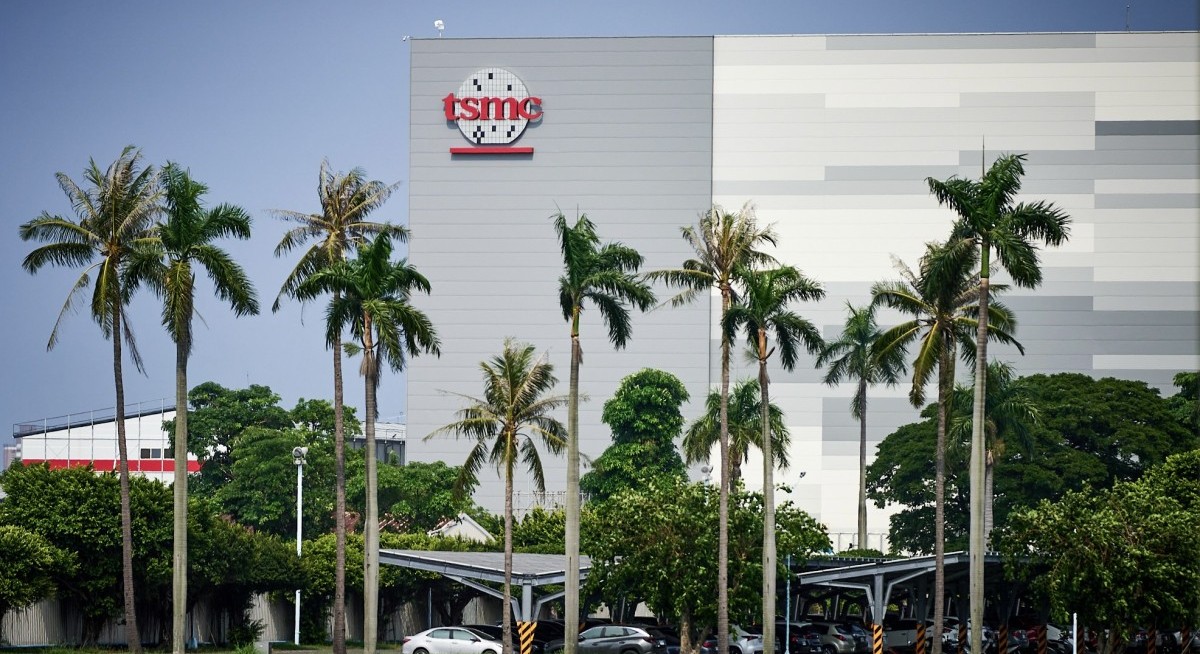
The largest listed company is Taiwan Semiconductor Manufacturing Co (TSMC), which was up 64% at this year’s high in June. It boasts a market capitalisation of US$1.9 trillion ($2.45 trillion). This is followed by MediaTek (market capitalisation of US$208 billion), Delta Electronics (US$164 billion) and Hon Hai Precision (US$110 billion). This showed the outsized representation of semiconductors and technology stocks in the Taiwanese market.
See also: Asian shares rise as chips rally, brent advances
Of the 20 largest listed companies, seventeen are in the technology and semiconductor sector. Even more noteworthy, the average year-to-date gains for the top 20 companies amounted to 120%.
Is this euphoria warranted?
While the strength of Taiwan’s equity rally may appear euphoric on the surface, it is important to distinguish between speculative excess and fundamentally driven gains.
See also: Stocks fall as Trump says Iran truce is over
Much of the market’s advance has been supported by exceptional earnings growth, particularly among AI and semiconductor companies that are benefiting from a powerful structural upcycle.
Expectations of strong structural earnings underpinned the initial phase of the rally, and this was justified by stronger-than-expected 1Q2026 results from semiconductor companies in Asia, Europe and the US. As earnings continued to exceed expectations, share prices moved higher, attracting growing retail participation that subsequently amplified market momentum.
Taiwan’s equity rally is rooted in one of the strongest structural investment themes globally: semiconductors and AI infrastructure. AI is the primary driver. The rapid expansion of generative AI has significantly increased demand for advanced chips, data centre infrastructure, and high-performance computing. Taiwan sits at the heart of this ecosystem.
TSMC dominates advanced chip manufacturing globally, while Taiwanese firms control critical segments such as IC design, packaging, testing, and server hardware. The result is unusually strong earnings visibility, particularly compared to other export-driven economies.
This should not be viewed as a case of widespread irrational exuberance. A significant portion of the market’s gains, particularly among large-cap technology and semiconductor leaders, has been supported by tangible earnings delivery, strong order visibility and sustained AI-related demand.
While the market may not yet price in a full bubble phase, pockets of euphoria are undoubtedly emerging, particularly among smaller companies where share price performance has increasingly outpaced underlying fundamentals.
Why has the rally been so powerful?
Sink your teeth into in-depth insights from our contributors, and dive into financial and economic trends
Strong fundamentals alone do not fully explain the magnitude of Taiwan’s market gains. Several other factors also amplified the strong gains for Taiwanese equities, including high domestic savings rates (estimated at approximately 30%-35% of GDP due to households having a traditional high savings culture), limited yield alternatives and continued global capital flows into AI-linked assets.
Retail participation in Taiwan also plays a crucial role. Retail investors typically account for more than 50% of daily trading turnover during active periods, a level that is notably higher than in other development markets, where institutional investors tend to dominate trading activities.
Factors that contribute to this phenomenon include low transaction costs, the ease of opening trading accounts, and a low psychological barrier to market entry. Retail participation has been deeply embedded in Taiwan’s investment culture for decades, and many investors gain exposure to financial markets early in life through family members and friends.
Taiwanese retail investors also exhibit a strong “home-market advantage”, favouring domestic companies that they know and understand well, particularly those operating in semiconductors, electronics manufacturing and export supply chains. Given that Taiwan’s stock market is heavily tilted toward these industries, this familiarity often increases investor confidence and willingness to participate.
Active online forums and messaging groups have further supported the local trading communities, leading to rapid idea dissemination and momentum chasing.
Success begets success, or is it Fomo?
During active or high trading periods, media coverage intensifies, and success stories spread quickly. This tends to result in another wave of retail participation, or “buy first, think later” behaviour.
The result is a self-reinforcing cycle: strong market performance attracts retail inflows, which then increase volume and price momentum, leading to further price increases, which in turn attract even more retail money. This loop is particularly powerful in Taiwan as liquidity is abundant, and retail participation and sentiment can significantly influence market dynamics.
However, while this can result in rapid price surges within a short period of time, it is equally quick to correct during a downturn when sentiment weakens.
Another key risk is concentration. The high representation of technology-heavy companies means concentrated exposure to one sector, where any downturn can have a disproportionate impact on portfolio performance due to concentration risk. The recent pullback provides a reminder of this vulnerability. Following its all-time high of 48,219 on June 23, the TWSE index corrected by approximately 7%, illustrating how quickly sentiment can reverse even amid an otherwise supportive market environment.
Beyond market-specific risks, US-China technology tensions remain unresolved and continue to pose a structural risk to the global semiconductor industry. Given Taiwan’s central role within global technology supply chains, geopolitical developments will remain an important factor for investors to monitor.

Is Southeast Asia missing out?
The recent strong price action in 2Q2026 has been heavily concentrated in Japan, Korea and Taiwan — markets with heavy exposure to the semiconductor sector. In Japan, the heavyweights include Kioxia Holdings Corp, Tokyo Electron, Advantest Corp and Murata Manufacturing, which posted year-to-date gains of 63% to 750%. In Korea, SK Hynix and Samsung Electronics have recorded equally stellar gains of 170% to 300% for the same period.
By comparison, Southeast Asian markets do not have large, listed semiconductor companies. However, retail investors are not necessarily missing out on the semiconductor rally, as most brokerage platforms today provide convenient access to global markets, allowing investors to participate in these themes regardless of their home market.
Retail investors looking to participate in the semiconductor rally should be mindful that most of these stocks have already posted exceptional gains this year, and while further upsides remain possible, exposure to this sector should form part of a well-balanced and diversified portfolio to reduce concentration risks.
When optimism becomes consensus, risk management becomes just as important as identifying opportunity.
Carmen Lee is head of equity research at OCBC




