


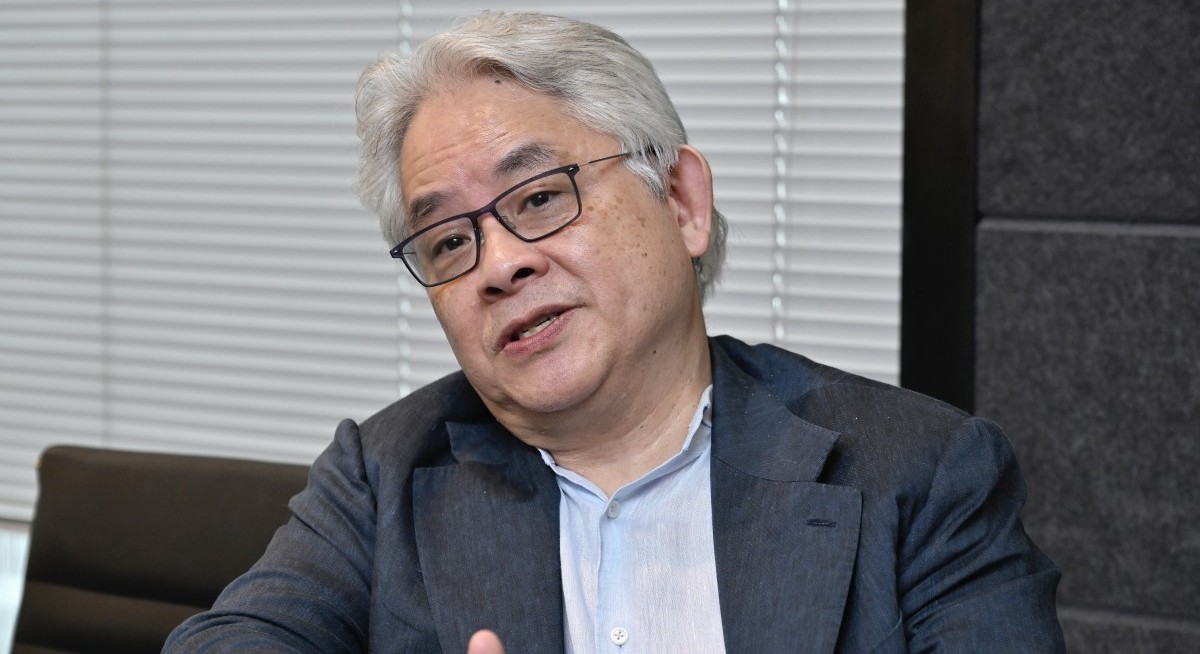


In person, Mak is more measured, though no less thoughtful and passionate. He walks the talk, having avoided board positions with listed companies, allowing him to speak freely without the risk of vested interests.
He’s no Don Quixote, though. For instance, he doesn’t flag every breach he sees just to embarrass companies in a “gotcha” moment. While he does turn to LinkedIn when he feels that certain issues are being swept under the carpet, he also engages and nudges companies privately.
When building a vibrant stock market, people often think of the hygiene factors like having a simplified administrative process, a bountiful capital supply, and, of course, a healthy pipeline of companies. It is easy to overlook the crucial role played by corporate governance advocates and investor rights champions like Mak and David Gerald, the founder, CEO, and president of the Securities Investors Association Singapore (Sias).
The domestic stock market is regulated by the Monetary Authority of Singapore and the Singapore Exchange Regulation
(SGX RegCo). However, a regulatory system can only strengthen with individuals like Mak and Gerald, who are unafraid to speak truth to power, especially when listed companies breach ethical standards.
See also: A growing Temasek’s multifold challenge of mandate, liquidity and returns
This is not just about ensuring companies do the right thing for righteous reasons. Stock prices take a hit when governance scandals are exposed. More experienced investors will remember the first wave of S-chips — locally-listed Chinese companies — accused of accounting irregularities and fraud in the 2000s. In many cases, investors had already suffered losses by the time these issues came to light.
Local policy makers and market participants have been making huge headway in revitalising the city-state’s once sluggish stock market. On March 12, the Singapore Exchange reported that its securities daily average value (SDAV) in February was up by 45% y-o-y, reaching $2.1 billion. This is the highest SDAV reported since 2020.
A vibrant market certainly provides a cause for cheer. It can also fuel speculative activity and attract retail investors who may view the stock market as a sort of casino. While the onus is certainly on investors to do their own research before they pull the trigger, there may be corporate jargon and technicalities that could mask underlying problems in their holdings.
See also: Why Temasek’s total portfolio emissions will rise before (hopefully) falling
This is where people like Mak and organisations like Gerald’s Sias bridge the knowledge gap between retail investors and corporate leaders. Having outspoken advocates like Mak does not harm the market. In fact, it makes the price discovery process more rigorous and ensures capital is deployed to the right areas. Everyone wins — except for the morally dubious, but investors wouldn’t want those elements in the market anyway.
“There’s this phrase, the bad drives out the good. If you have too many bad companies, it affects valuation, it affects liquidity,” Mak tells The Edge Singapore. “The good companies are not going to come.”




