






The 18 finalists of the Cartier Women’s Initiative Awards have found solutions for future generations.
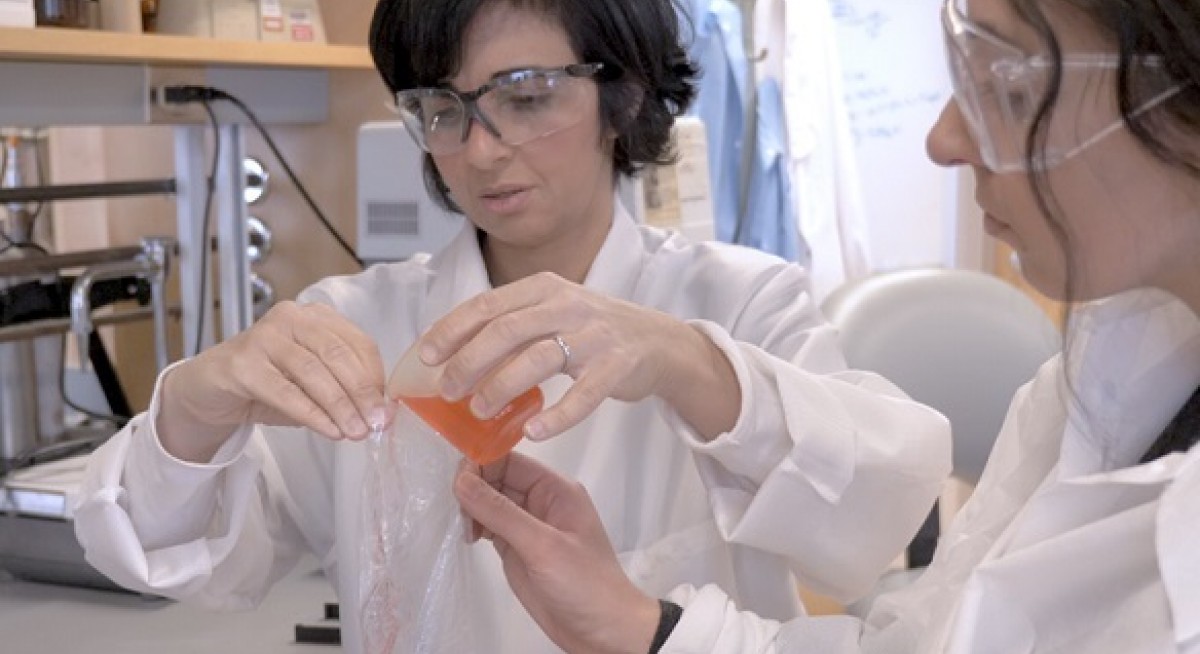
SINGAPORE (Apr 9): When nature calls, we head for the nearest loo without a second thought. But in some parts of the world, proper toilets are a rare commodity and women suffer most because of that. Often, they make do with holein- the-ground toilets that lack basic sanitation. As a result, they fall prey to disease and sometimes, even death. To solve this problem, Diana Yousef (left) from the US has come up with change: WATER Labs — portable evaporative toilets that require no electricity or plumbing. They work by evaporating the 90% to 95% of water that makes up human waste.


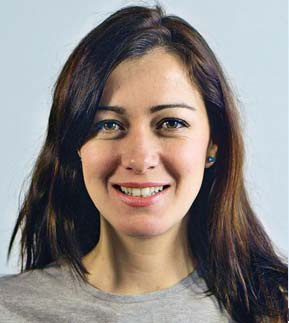 The desire to make a positive change in society often starts because of a personal problem. Like 10% of the world’s population, Luz Rello (right) of Spain had dyslexia, a neurological learning disorder that affects reading and writing. Many children affected by this “hidden disorder” are diagnosed too late for effective intervention.
Thanks to early detection, Rello overcame the challenges of dyslexia and went on to do well academically, proving that it is possible to develop and learn strategies to counteract its negative effects. To help fellow sufferers, she has developed a programme that can detect dyslexia and provides exercises for Spanish-speaking children with the condition.
Change Dyslexia offers a unique mix of artificial intelligence, computer games, linguistic studies and data. A free, multi-platform 15- minute game called Dytective Test can be used to detect dyslexia with 90% accuracy, unlike current diagnostic methods, which take longer and are more expensive.
A second tool, DytectiveU, provides afflicted children a choice of 35,000 game-based exercises targeting 24 dyslexia-related cognitive skills. Therapists can then use DytectiveU PRO to get detailed reports on their patients’ cognitive skills and track their progress.
In the past five months, over 100,000 children have taken Rello’s detection test while DytectiveU has been downloaded 8,541 times. She is currently working on making the programme available in other languages.
The desire to make a positive change in society often starts because of a personal problem. Like 10% of the world’s population, Luz Rello (right) of Spain had dyslexia, a neurological learning disorder that affects reading and writing. Many children affected by this “hidden disorder” are diagnosed too late for effective intervention.
Thanks to early detection, Rello overcame the challenges of dyslexia and went on to do well academically, proving that it is possible to develop and learn strategies to counteract its negative effects. To help fellow sufferers, she has developed a programme that can detect dyslexia and provides exercises for Spanish-speaking children with the condition.
Change Dyslexia offers a unique mix of artificial intelligence, computer games, linguistic studies and data. A free, multi-platform 15- minute game called Dytective Test can be used to detect dyslexia with 90% accuracy, unlike current diagnostic methods, which take longer and are more expensive.
A second tool, DytectiveU, provides afflicted children a choice of 35,000 game-based exercises targeting 24 dyslexia-related cognitive skills. Therapists can then use DytectiveU PRO to get detailed reports on their patients’ cognitive skills and track their progress.
In the past five months, over 100,000 children have taken Rello’s detection test while DytectiveU has been downloaded 8,541 times. She is currently working on making the programme available in other languages.

 The same can be said for Kristen Kagetsu (right) from India, who co-founded Saathi, an all-natural sanitary pad.
Initially, the US-born Kagetsu moved to India to develop and sell machines that produce sanitary pads. But when she arrived, she was confronted with the environmental challenges the country was facing regarding the disposal of sanitary waste. So she began producing environmentally friendly sanitary pads instead.
Conventional pads contain toxic chemical agents and, on average, use 3.4g of plastic each. That adds up to 150,000 tonnes of waste per year, with every pad releasing 23.4g of carbon dioxide in the process.
Saathi is combating the problem with its 100% all-natural, biodegradable sanitary pads made of banana fibre, a by-product of banana farming, which requires less land, water and fertiliser than cotton, which is widely used in other biodegradable pads.
These pads degrade within six months of disposal — 1,200 times faster than conventional ones. While disposal is a problem, the larger issue is that 84% of women in India do not have access to sanitary pads at all. Because of that, pubescent girls often miss classes or decide to stop schooling altogether, while working women stay home from work when they have their period, which affects their income and independence.
Concerned about this, Saathi directs 30% of its sales to NGOs committed to improving access to sanitary pads and health education for women. Last year, it sold 45,000 pads, at a subsidised price, to NGOs in rural communities in India. It hopes to increase the number of pads sold to nine million this year.
Yousef, Rello, Bime and Kagetsu are among the amazing women with “curiosity, audacity and willpower to lead change” who will be celebrated at the Cartier Women’s Initiative Awards. “Sharing these women’s dreams and lives is part of who we are,” Vigneron says.
To find out more about the other finalists, log on to www.cartierwomensinitiative.com/ explore/edition/2018.
The same can be said for Kristen Kagetsu (right) from India, who co-founded Saathi, an all-natural sanitary pad.
Initially, the US-born Kagetsu moved to India to develop and sell machines that produce sanitary pads. But when she arrived, she was confronted with the environmental challenges the country was facing regarding the disposal of sanitary waste. So she began producing environmentally friendly sanitary pads instead.
Conventional pads contain toxic chemical agents and, on average, use 3.4g of plastic each. That adds up to 150,000 tonnes of waste per year, with every pad releasing 23.4g of carbon dioxide in the process.
Saathi is combating the problem with its 100% all-natural, biodegradable sanitary pads made of banana fibre, a by-product of banana farming, which requires less land, water and fertiliser than cotton, which is widely used in other biodegradable pads.
These pads degrade within six months of disposal — 1,200 times faster than conventional ones. While disposal is a problem, the larger issue is that 84% of women in India do not have access to sanitary pads at all. Because of that, pubescent girls often miss classes or decide to stop schooling altogether, while working women stay home from work when they have their period, which affects their income and independence.
Concerned about this, Saathi directs 30% of its sales to NGOs committed to improving access to sanitary pads and health education for women. Last year, it sold 45,000 pads, at a subsidised price, to NGOs in rural communities in India. It hopes to increase the number of pads sold to nine million this year.
Yousef, Rello, Bime and Kagetsu are among the amazing women with “curiosity, audacity and willpower to lead change” who will be celebrated at the Cartier Women’s Initiative Awards. “Sharing these women’s dreams and lives is part of who we are,” Vigneron says.
To find out more about the other finalists, log on to www.cartierwomensinitiative.com/ explore/edition/2018.
M S Tai enjoys the finer things in life, including food, wine and music This article appeared in Issue 825 (Apr 9) of The Edge Singapore. Subscribe to The Edge at https://www.theedgesingapore.com/subscribe