


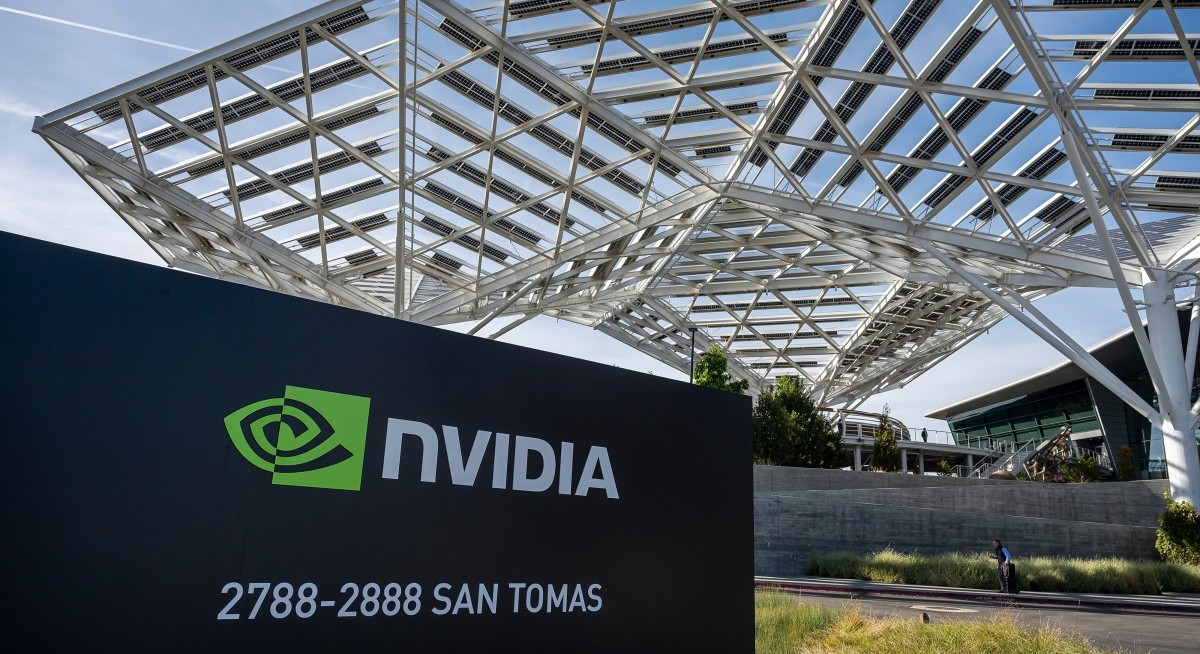


The Nasdaq 100 Index swung between a gain of 2% early in the session to a 2.4% loss at the close, ending at its lowest point since September. Nvidia was the biggest drag on the index, sliding 3%.
“The Nvidia results, while positive, weren’t enough to dispel doubts around whether valuations had gotten too rich,” said Sameer Samana, the head of global equities and real assets at Wells Fargo Investment Institute.
US equity multiples are still sitting near levels seen in prior periods of exuberance, even after a pullback that’s pushing the S&P 500 towards its worst November since 2008. Questions around whether AI is generating enough revenue or profits to justify the massive spending on infrastructure also weighed on sentiment Thursday, said Matt Maley, chief market strategist at Miller Tabak + Co LLC.
“Is AI going to be as profitable as the market is pricing in? That’s the key question,” Maley said. Traders are worried about whether AI investments today would be profitable in five years, he added. “As a result, people are saying, ‘I have got to take some chips off the table.’”
See also: US stocks resume decline as tech weakness drags on indices
Nvidia’s rising accounts receivables numbers may have been what spooked traders, said Kimberly Forrest, the chief investment officer and founder of Bokeh Capital Partners LLC. “It does beg the question: If things are flying off the shelves, then why aren’t you getting paid for it?” she said of Nvidia.
Thursday also brought the release of a long-delayed government employment report, which showed that US job growth picked up in September, while the unemployment rate ticked higher. The data suggested the labour market showed signs of stabilising before the government shutdown. The figures come a day after minutes from the Federal Reserve’s last policy meeting showed a divided committee on whether to cut interest rates again.
Louis Navellier, chief investment officer at Navellier & Associates, called the unemployment rate “troublesome”, even as the payroll reports released on Thursday looked positive.
See also: Real estate services stocks sink in latest ‘AI scare trade’
The Labor Department said on Wednesday that it won’t release a full jobs report for October because the government shutdown meant it couldn’t calculate the unemployment rate and some other key numbers. Separate data on Thursday showed applications for US unemployment benefits fell last week to 220,000, indicating that employers are largely still holding onto current workers despite economic uncertainty.
Friday will offer traders another deluge of important economic data, with hourly earnings and University of Michigan inflation expectations due.
Uploaded by Isabelle Francis




