


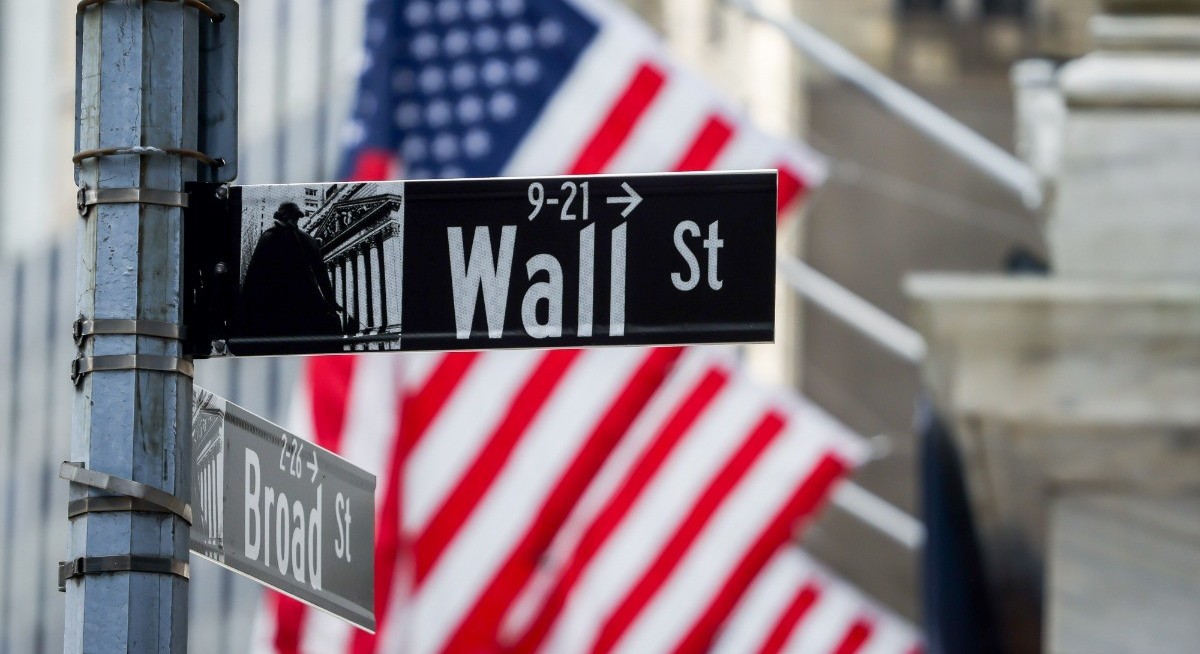


(July 16): Another report showing softer-than-anticipated inflation drove stocks and bonds higher as Wall Street traders further dialed back wagers on Federal Reserve (Fed) interest-rate increases.
The limited fallout from the Iran war on prices bolstered the view that the Fed will have room to delay any potential tightening move. Money markets continued to fully price in a rate hike this year, but not before December. Short-dated Treasuries outperformed. The S&P 500 saw a second straight day of gains, though a gauge of chipmakers lost 2.1%.
A decline in energy costs helped keep inflation pressures in check last month, with the core producer price index rising 4.7% from a year earlier, below the median estimate in a Bloomberg survey.
“It appears that the 2026 inflation resumption crested last month and headed back to its pre-conflict trend lower,” said Jamie Cox at Harris Financial Group. “This really helps the Fed avoid the mistake of hiking rates into a supply shock.”
An escalating conflict in the Persian Gulf has revived concerns over supplies from the energy-rich region. The US launched more airstrikes on Iran after President Donald Trump pledged to intensify the bombardment until Tehran stops attacking ships in the Strait of Hormuz and agrees to open the waterway.
“There’s no near-term pressure on the Fed, but oil is in the driver’s seat over the longer term,” said David Russell at TradeStation. “Energy saved the day in June, but that might become ancient history if the Strait of Hormuz doesn’t open soon.”
See also: Stocks, bonds rise as soft CPI curbs Fed-hike bets
Meantime, Fed chairman Kevin Warsh said Trump — who’s long called for slashing rates — hasn’t tried to interfere with the central bank, and wouldn’t succeed if he attempted such a thing.
“I will tell you what I’ve said to the president repeatedly, and said to the Treasury secretary: They chose an independent guy to do an independent job, and that’s exactly what I plan on doing,” Warsh said at a Senate Banking Committee hearing.
US economic activity increased at a slight to moderate pace in recent weeks as most regions experienced little to no change in employment levels, according to the Fed’s Beige Book survey of regional business contacts.
See also: Citi beats every profit estimate as CEO’s rebuild gains steam
“Some contacts tied these cost increases to the conflict in the Middle East; others mentioned tariffs. Consumer prices continued to rise, and a few districts said contacts saw greater price sensitivity among their customers,” the Fed noted.
Uploaded by Isabelle Francis




