


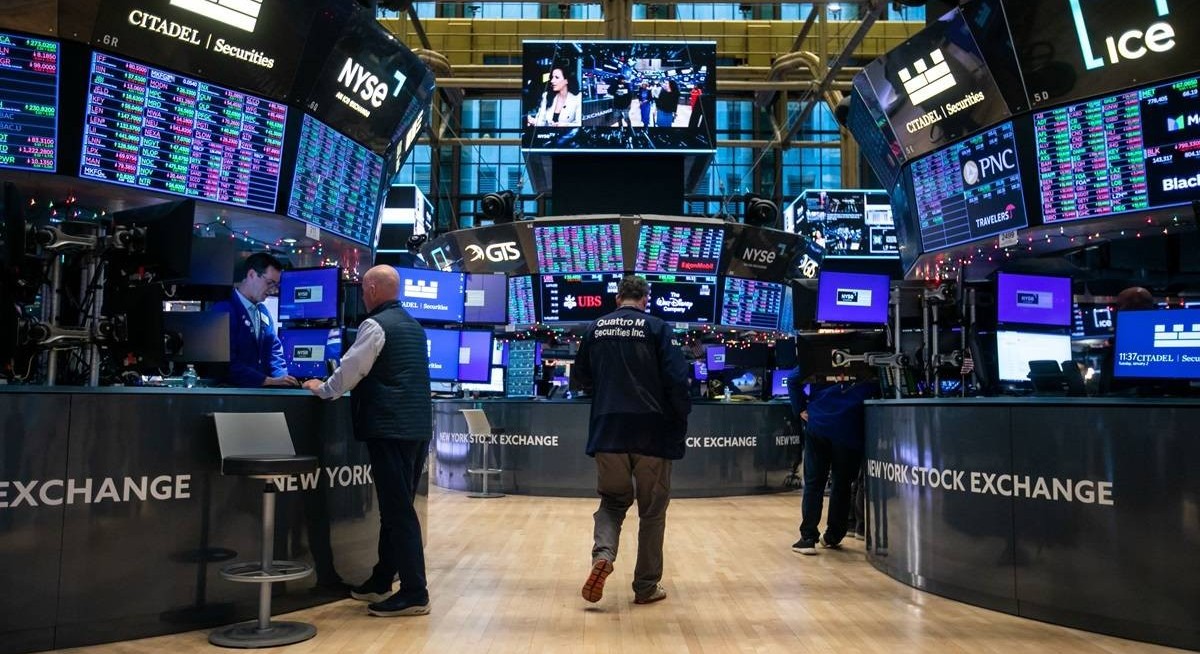


(May 19): Wall Street saw a volatile session, with stocks and oil whipsawing as traders parsed mixed signals about prospects for a US-Iran deal to end the war and revive energy flows through the key Strait of Hormuz.
The S&P 500 almost erased its drop after President Donald Trump said he called off plans to attack Iran on Tuesday because “serious negotiations are now taking place” on reaching an agreement. A rally in oil eased after the settlement. While bond moves were subdued compared with the rout that swept markets last Friday, global yields hovered near multi-year highs as still elevated energy prices stoked inflation worries.
Earlier on Monday, both the US and Iran said they had rejected fresh offers as insufficient to secure a deal. The White House said a proposal delivered by Tehran through mediators on Sunday lacked meaningful improvement, Axios reported. Iran, meanwhile, indicated US demands are unacceptable.
Hopes for a breakthrough in the stand-off over Hormuz had earlier fuelled market optimism after Iranian media said Washington proposed a temporary waiver on sanctions. The report is false, according to a US official. The strait remains effectively closed to commercial shipping, with traffic reduced to a trickle.
“The volatility will clearly continue until the Iran situation is resolved,” said veteran Wall Street strategist Louis Navellier. “If in a month from now, flows haven’t resumed through the Strait of Hormuz, energy prices will almost certainly be higher, fueling higher inflation and higher interest rates.”
The US on Monday issued a new waiver allowing the sale of Russian crude oil and petroleum products that are already loaded on tankers, days after the previous one lapsed. Treasury Secretary Scott Bessent said in a post on X that the new general licence “will help stabilise the physical crude market”.
See also: US stocks waver as oil prices edge lower; chips stocks mixed
At Bank of America Corp, Francisco Blanch’s best-case oil-price scenario is Brent averaging US$90 for the rest of the year, with the possibility that the market goes even higher if the stalemate with Iran persists or heats up. The issue, he said, is clear: Global supplies are too tight for prices to come down now. Brent settled around US$112 on Monday.
The equity market’s next “all clear” likely depends on calmer oil and bond markets, broader participation beyond a handful of megacaps as well as evidence that wage growth continues to outpace inflation, according to Mark Hackett at Nationwide.
Risks are growing of an unwind in the powerful fund flows that drove US stocks to record highs in recent weeks, according to Citadel Securities’ Scott Rubner.
See also: Trump’s more than 3,700 trades astonish Wall Street insiders
“The near-term setup now warrants more tactical caution,” Rubner wrote. “Many of the flows that helped drive the rally now appear significantly more mature. Higher long-end rates are beginning to create competition for equities again.”
Uploaded by Isabelle Francis




