


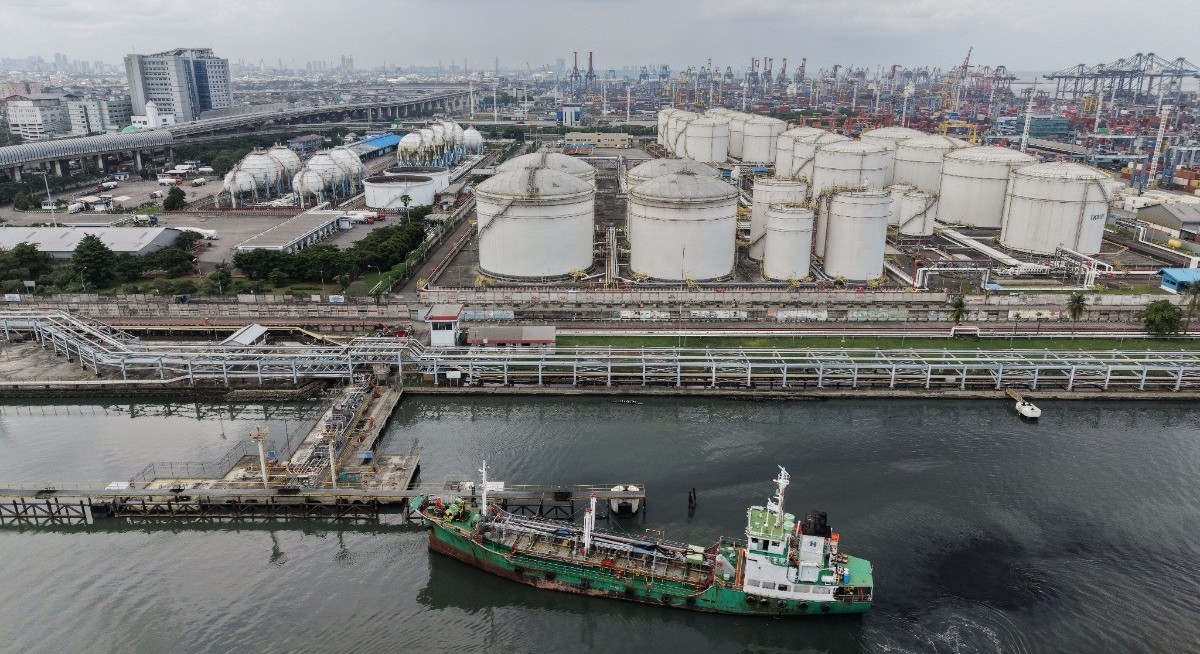


(May 12): A renewed advance in oil prices sent bonds lower after the US and Iran failed to agree on terms to end their war, dashing hopes for a revival of the Strait of Hormuz while stoking inflation concerns.
US crude settled around US$98, with the near-halt of traffic through the waterway reigniting worries about further energy disruptions. The Treasury market, which has priced out the odds of Federal Reserve rate cuts this year amid the Middle East conflict, saw an increase in yields. A rally in chipmakers drove the S&P 500 to another closing high, but most of the gauge’s shares fell.
President Donald Trump is meeting with his national security team to discuss the way forward in the Iran war — including possibly resuming military action — amid a deadlock in negotiations, Axios reported.
The ceasefire between the US and Iran reached a particularly precarious moment as Trump said the deal was on “massive life support.” Speaking to reporters, he called Tehran’s response to his proposal a “piece of garbage.”
“An agreement remains elusive and risks remain elevated,” said Mark Haefele at UBS Chief Investment Office. “Both sides remain under pressure to conclude a deal.”
The conflict with Iran will be on Trump’s agenda when he meets Chinese President Xi Jinping later this week. Revenue that China provides to Iran as well as potential weapons exports would be among the topics discussed at the summit, according to a US official who briefed reporters on a conference call over the weekend.
See also: Asian stocks decline, led by Korea, oil climbs
On the economic front, an upcoming batch of data is likely to affirm Americans’ growing frustration with inflation. Economists see a 0.6% increase in the consumer price index for April, based on the Bloomberg survey median estimate. That’s on the heels of March’s biggest monthly advance since 2022.
Tuesday’s CPI report will be a “spicier” set of figures, the first in a series of readings this week that will feed into the Fed’s preferred measure of inflation, Morgan Stanley’s Matt Hornbach told Bloomberg Television’s Surveillance.
Goldman Sachs Group Inc and Bank of America Corp were the latest in a growing cohort of Wall Street banks pushing back their forecasts for rate cuts, arguing that both inflation and jobs data make a case for the Fed to stay on hold until at least the end of the year.
See also: Asian stocks advance on tech, oil climbs as US-Iran talks break down
Elsewhere, UK bonds were swept up in another selloff as investors grew increasingly anxious about Britain’s finances, given the risk of fresh challenges to Prime Minister Keir Starmer’s leadership.
Uploaded by Isabelle Francis




