


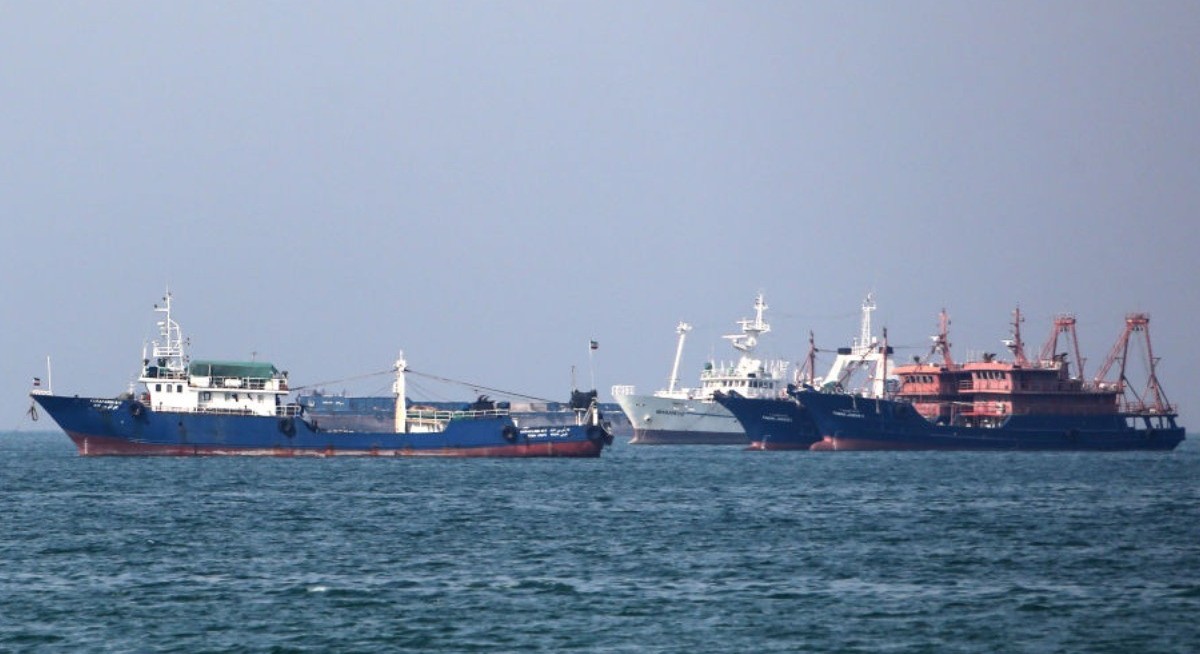


(May 25): The US and Iran are closing in on a deal that would reopen the Strait of Hormuz, senior US officials said on Sunday, even as President Donald Trump insisted he would not “rush” into an agreement.
US officials told reporters that nothing is ready to be signed as negotiators work through precise language on key issues, and final approval could still take several days.
Iran’s semi-official Tasnim news agency said the draft deal could still collapse because the US is blocking several clauses, including Tehran’s demand that its assets be unfrozen.
US Secretary of State Marco Rubio said it takes the Iranian system a bit of time to respond to the US. He added he was “very confident” that if an agreement were to be reached, it would be a good one, and that a deal is Trump’s preference rather than alternatives for addressing the Iranian threat — speaking about three months after Israel and the US struck Tehran, igniting the war.
“We thought we might have some news last night. Maybe today,” Rubio told reporters in New Delhi on Monday during a visit to India.
Crude oil fell to its lowest level in more than two weeks as trading began on Monday in Asia and the dollar weakened on expectations that a deal may be near. Global crude benchmark Brent extended a fall after Rubio’s comments and traded down about 6%.
See also: US forces strike Iran after American helicopter is downed
Urged on by several Arab leaders, the US and Iran have been discussing a possible extension of a fragile ceasefire, but the two sides have offered differing descriptions of what an interim deal would include. The countries have floated several proposals in recent weeks without reaching agreement.
“Our relationship with Iran is becoming a much more professional and productive one,” Trump wrote on Sunday in a social media post. “They must understand, however, that they cannot develop or procure a Nuclear Weapon or Bomb.” He added that the US blockade of the strait would remain in place until an agreement is completed and that both sides must take their time to “get it right”.
Still, the broad agreement described by US officials does not address Iran’s missile stockpile nor does it contain an explicit ban on uranium enrichment — two of Trump’s most important goals. That could enrage Republican national security hawks who have already railed against the negotiations.
See also: Rubio says Trump was aware of the risks of economic fallout from Iran war
Iranian media and officials have also been more circumspect. Washington and Tehran are still at odds over “one or two provisions,” the semi-official Tasnim news agency reported, citing an “informed source”. The Fars agency, meanwhile, dismissed Trump’s claims on Saturday that a deal has been “largely negotiated” as “far from reality,” without citing anyone.
Iran’s nuclear programme remains a central sticking point, particularly Tehran’s insistence that it is not seeking a nuclear weapon.
“We are ready to assure the world during any talks that we are not seeking nuclear weapons,” the Student News Network on Sunday cited Iranian President Masoud Pezeshkian as saying. He added that Iran is “not seeking unrest in the region.”
The US plans to lift its blockade as part of the proposed deal, and Iran has agreed in principle to dispose of its highly enriched uranium, a Trump administration official told reporters. The official added that the US does not plan to unfreeze Iranian assets under the current proposal.
Any sanctions relief will depend on how Tehran complies with various provisions of the deal, officials said, adding that the timeline on Iran’s disposal of highly enriched uranium and a moratorium on enrichment will be negotiated later.
US officials said they expect a substantial Iranian commitment to forgo enrichment as part of any final deal, adding that Washington believes it can ultimately negotiate an enforceable mechanism to ensure Iran does not obtain a nuclear weapon while fostering a more productive bilateral relationship.
Iran hasn’t confirmed any of these details and has made clear it intends to preserve its uranium stockpile.
To stay ahead of Singapore and the region’s corporate and economic trends, click here for Latest Section
Axios reported the pact would involve a 60-day extension of the existing ceasefire, during which the strait would be reopened and Iran allowed to sell its oil.
The draft was also said to stipulate that the parallel war between Israel and Iranian-backed Hezbollah in Lebanon would end — a step Israel may be reluctant to endorse.
Uploaded by Felyx Teoh




