


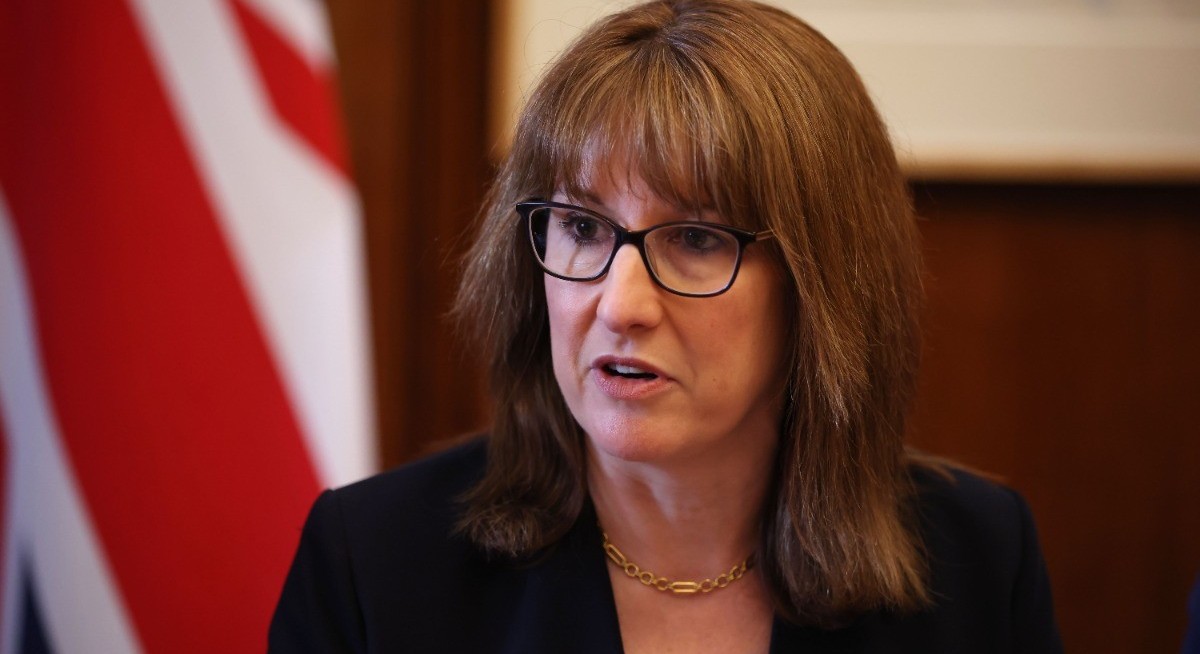


(April 15): UK Chancellor of the Exchequer Rachel Reeves said the world is no safer than it was before the US and Israel attacked Iran, in a sign of growing tensions between Donald Trump’s administration and its allies.
Reeves said on Wednesday that it was “a mistake” to start the war rather than continue talks with the Iranian regime.
It’s “not been clear over the last six weeks or so, what exactly the aim of this conflict is,” the chancellor said at a CNBC event on the fringes of the International Monetary Fund (IMF) and World Bank spring meetings in Washington. She added: “I’m not convinced that this conflict has made the world safer.”
Reeves’ remarks laid bare the extent to which the fighting has strained relations between the US and key European allies, as it causes turmoil in global supply chains and energy markets.
Her visit to Washington arrives against a darkening economic backdrop for the UK. While Reeves is pitching her “securonomics” vision in the US, the IMF’s latest forecasts suggested her country — which is heavily reliant on energy imports — will be the hardest hit of any major advanced economy by the war in Iran.
She is set to meet with US Treasury Secretary Scott Bessent later on Wednesday. He told British media that the Iran war is worth a “small bit of economic pain,” ahead of what is likely to be a tense encounter with his UK counterpart.
See also: Iran war fuels piracy surge off Somalia coast, EU agency says
The UK was one of a number of countries to sign a joint-statement on Wednesday warning of the economic impact of the conflict.
Reeves said a diplomatic channel was open with Tehran before the war and that it was a “a mistake to end” the talks. However, she played down the longer-term impact of disagreements with the US.
“You don’t always have to agree on everything, and actually, when you are friends, you can speak your truth,” she said.
See also: Distressed UK firms pile up as war enters third month, report says
While in Washington Reeves is planning to meet finance ministers and bosses including JP Morgan chief executive Jamie Dimon and Vanguard president Gregory Davis.
Uploaded by Felyx Teoh




