


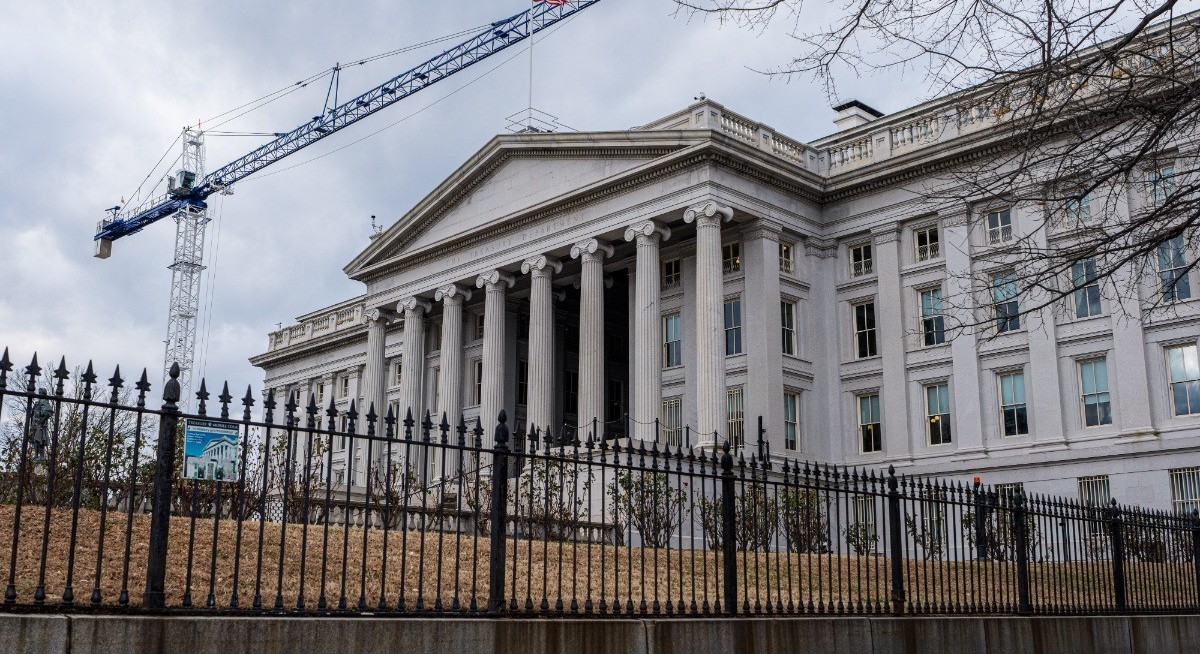


(Jan 21): Treasuries fell, pushing long-term yields to the highest in four months, as selling pressures led by a rout in Japanese bonds and fallout over President Donald Trump’s tussle with European allies over control of Greenland weighed on US debt.
US bonds started the day in sharp decline amid a fierce selloff in Japanese government debt, which spilled over into global markets. Treasuries then ticked even lower after a Danish pension fund said it will sell its holdings of US government debt, before reversing some losses.
The US 30-year yield rose more than 10 basis points (bps) to nearly 4.95%, the highest level since Sept 3. Five- and 10-year yields reached the highest levels since August. By mid-morning in New York, Treasuries had settled somewhat, with yields falling from their highest levels as traders assessed the range of forces buffeting the market.

While the Danish pension fund AkademikerPension, which said it will exit the Treasury market by the end of the month, holds only about US$100 million of Treasuries, its statement revived concerns about the financial consequences of US antagonism towards allies. Trump over the weekend escalated his pursuit of American control of Greenland, an autonomous part of the Kingdom of Denmark.
“The Danish pension fund is symbolic, and I suspect we’re back to JGBs [Japanese Government Bonds] having an outsized influence,” said Jack McIntyre, portfolio manager at Brandywine Global Investment Management.
See also: US core CPI rises as expected in January on services costs
Still, the spike in Treasury yields is sending the administration a message it’s unlikely to ignore, McIntyre said. A rash of selling last April in response to his sweeping “Liberation Day” tariffs, for example, prompted him to walk back some of his most severe threats.

“Trump loves to weaponise uncertainty up to the point the markets respond negatively,” McIntyre said.
See also: Investors pour another US$4 bil into US high-grade bond funds
Regarding Trump’s tariffs, the Supreme Court didn’t rule on Tuesday on the legality of the levies, meaning it probably will be at least another month before a challenge to his signature economic policy is resolved.
Treasuries resumed trading following a US holiday on Monday, with investors reacting to the Japanese government bond selloff and rising tensions between Europe and the US over control of Greenland.
‘True accelerant’
Concern around Japan’s fiscal outlook sent yields on the nation’s 40-year debt rocketing above 4% in the Asian session, the most on record. That’s weighing on long-dated debt around the world, with 30-year bonds also underperforming in Europe.
“The Danish pension fund retort is an important gauge of sentiment, but mathematically lost amidst a US$30 trillion US Treasury market,” said George Catrambone, head of fixed income at DWS Americas. “The true accelerant to the Treasury and dollar selloff seems to be Japan, and concern of repatriation from global markets to support higher inflation and JGB yields.”
The moves snapped a remarkable period of inertia for US bonds, a weeks-long development that saw the 10-year note rivaling its longest stretch of calm in the past two decades. Gauges of expected volatility also ticked higher in currency markets as the US dollar came under pressure, sinking earlier to a two-week low.

To stay ahead of Singapore and the region’s corporate and economic trends, click here for Latest Section
The US Treasury selloff reflects “a combination of factors,” said Ian Lyngen, head of US rates strategy at BMO. “The stubbornly narrow yield range in Treasuries has finally broken and it’s done so in a convincingly bond-bearish fashion.”
A US$13 billion sale of 20-year notes on Wednesday will test demand for longer-dated debt.
Trump escalated his threats over Greenland by unveiling plans to impose levies on eight European countries as part of a bid to take control of the territory. The transatlantic rift has fuelled debate about whether European countries will weaponise their holdings of US bonds and stocks, potentially driving borrowing costs up and equities down given US reliance on foreign capital.
“The key new dynamic now is that the US has become the source of uncertainty, not the safe haven from it,” said Andrew Ticehurst, senior rates strategist at Nomura Australia Ltd in Sydney.
By one metric, long-dated Treasuries are set to cheapen the most in a day since May. The gap between 30-year yields and equivalent interest-rate swaps widened 3bps to 68. Still, that’s some way below the levels seen following Liberation Day in April, when momentum to sell US assets surged and the so-called swap spread widened to one-percentage point.
Treasury Secretary Scott Bessent urged calm and dismissed suggestions that Europe would forcefully retaliate by dumping Treasuries during a press conference at the World Economic Forum in Davos.
“The implications of the tariff threats over Greenland had yet to fully percolate through financial markets,” said Jim Reid, global head of macro research and thematic strategy at Deutsche Bank AG. “It’s worth keeping an eye on the demand for US assets as a barometer for how aggressive the US might be on this policy.”
Uploaded by Felyx Teoh




