


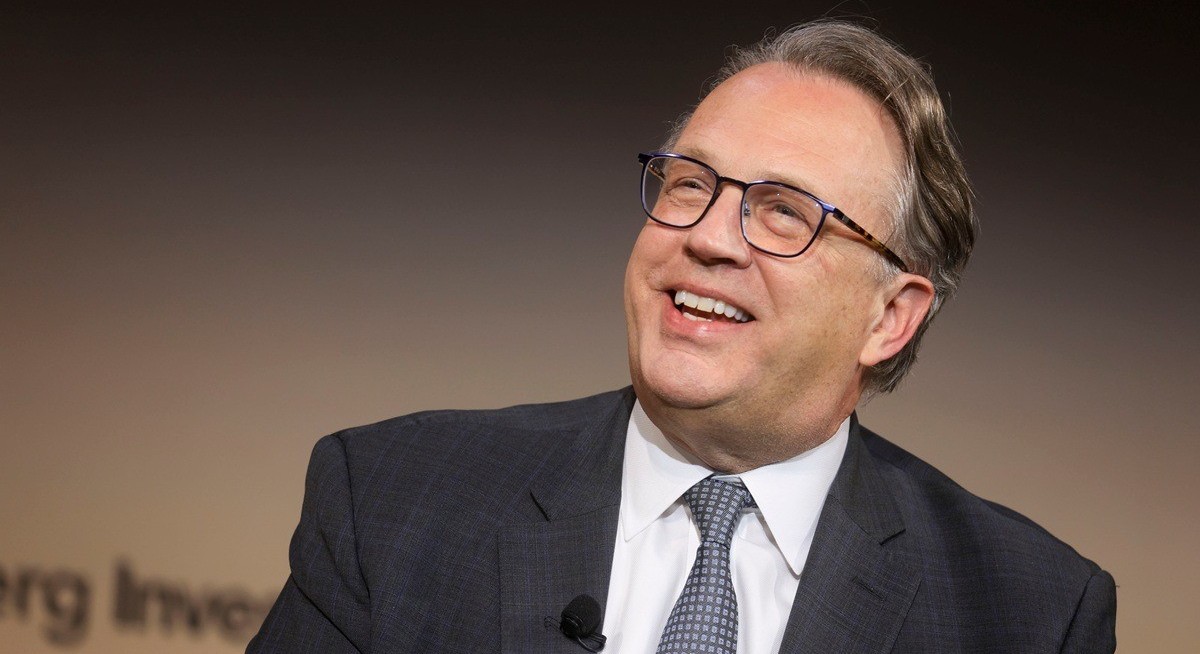


Williams is one of many Fed officials who have said the central bank can afford to wait for more data before considering whether to lower interest rates again. In their last set of economic projections issued in December, policymakers pencilled in just one quarter-point reduction in 2026, according to the median estimate.
“I expect the unemployment rate to stabilise this year and then gradually come down over the next few years,” he said, adding labour market indicators are at pre-pandemic levels, in line with a gradual cooldown. “I should emphasize that this has been a gradual process, without signs of a sharp rise in layoffs or other indications of rapid deterioration.”
Import tariffs imposed by the Trump administration should “largely” have a one-time impact on prices, with inflation peaking to 2.75%-3% in the first half of the year before dropping just below 2.5% for the full year. The economy will continue to grow above trend, Williams added.
Several policymakers have expressed concerns over persistent price pressures, as inflation has remained above the Fed’s goal for almost five years. At December’s rate decision, some officials expressed a “finely balanced” support for a quarter-point cut and said they could have easily been swayed to hold interest rates steady, according to minutes of the meeting.
See also: US core CPI rises as expected in January on services costs
Speaking to reporters following his speech, Williams emphasized that the Fed’s independence from political interference had paid “huge dividends in terms of helping keep inflation in check”.
His comments came a day after the Justice Department served Fed chair Jerome Powell with grand jury subpoenas threatening a criminal indictment over renovations of the central bank’s Washington headquarters and Powell’s congressional testimony on the project.
In a written and video statement Sunday, Powell called the renovations a “pretext” for attacking the central bank over its monetary policy decisions.
See also: Investors pour another US$4 bil into US high-grade bond funds
“The threat of criminal charges is a consequence of the Federal Reserve setting interest rates based on our best assessment of what will serve the public, rather than following the preferences of the president,” Powell said.
Uploaded by Liza Shireen Koshy




