


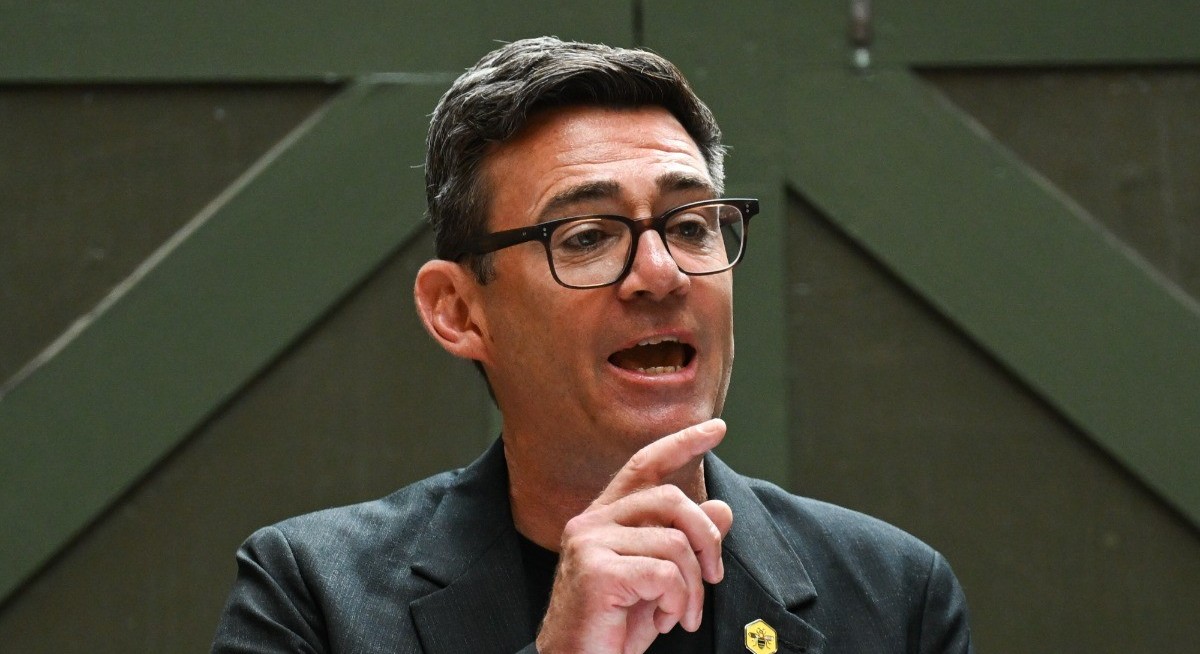


(July 6): A group of economists including Andy Burnham adviser Jim O’Neill have called for a wide-ranging overhaul to turbocharge Britain’s sluggish economy, with the former Greater Manchester mayor set to take another step towards Downing Street later this week.
The letter warned that “incrementalism will not fix Britain” as it urged the next government to consider a blueprint that proposed scrapping stamp duty and council tax.
The intervention — which was signed by O’Neill, King’s College professor Jonathan Portes and New Economics Foundation chief executive Danny Sriskandarajah among others — coincided with the launch of a report by University College London’s (UCL) Institute for Global Prosperity that argued for a “radical simplification” of the tax system to aid growth.
The letter said the UCL proposals are as ambitious as the Beveridge Report, which inspired the creation of the welfare state after World War II, and “merit serious consideration”.
Burnham is set to take another step toward replacing outgoing Prime Minister Keir Starmer this week when Labour MPs begin nominating a successor from Thursday. He is the only candidate so far to announce his intention to stand in the leadership race and any rival would need the support of 81 MPs, meaning Burnham could become PM as soon as this month.
He has brought in advisers including ex-minister O’Neill and former Bank of England chief economist Andy Haldane to help draw up his economic strategy. He has already outlined plans to cut business rates for some high street businesses and devolve more fiscal powers away from Westminster in a bid to boost Britain’s lacklustre growth rates.
See also: Britons say Burnham would be better PM than Farage
The UCL report outlined a five-year programme that aimed to cut taxes on income for most workers and replace stamp duty and council tax with an annual 1% property value tax. It also argued for a single levy that would replace a raft of taxes, including income tax, national insurance and those on dividends, inheritances and capital gains. It said this could be done without increasing borrowing and would leave the government a £38 billion ($65.53 billion) fiscal buffer.
While the letter did not specifically endorse the proposals, the economists said it showed “how structural reform is deliverable without further national debt”. They said the plans “merit serious consideration from all parties, so that Britain can prosper again”.
“We agree with the principle underpinning the report: the failures of the last half-century are structural, not moral, and will be solved by rebuilding the institutions, not remaking the people,” the letter said. “Seven prime ministers in ten years have inherited the same challenge and failed to solve it for the same reasons: the problems are structural and systemic.”
See also: PMI shows UK economy shrinking for second straight month
With subdued growth and high interest costs revealing the fragility of the public finances in recent years, Burnham’s decision on who to pick as his chancellor of the exchequer is seen as crucial.
Energy Secretary Ed Miliband, Home Secretary Shabana Mahmood and former health secretary Wes Streeting have all been tipped to replace Rachel Reeves as chancellor. They would face a difficult balancing act between keeping financial markets onside, placating voters and funding Burnham’s ambitions.
Burnham has touted his economic record in Greater Manchester with the city region being the fastest growing in the country since he became mayor in 2017.
“If you can replicate the same thing in more places, it’s going to definitely improve the economic performance of the country,” O’Neill told Bloomberg TV last week.
Uploaded by Chng Shear Lane




