


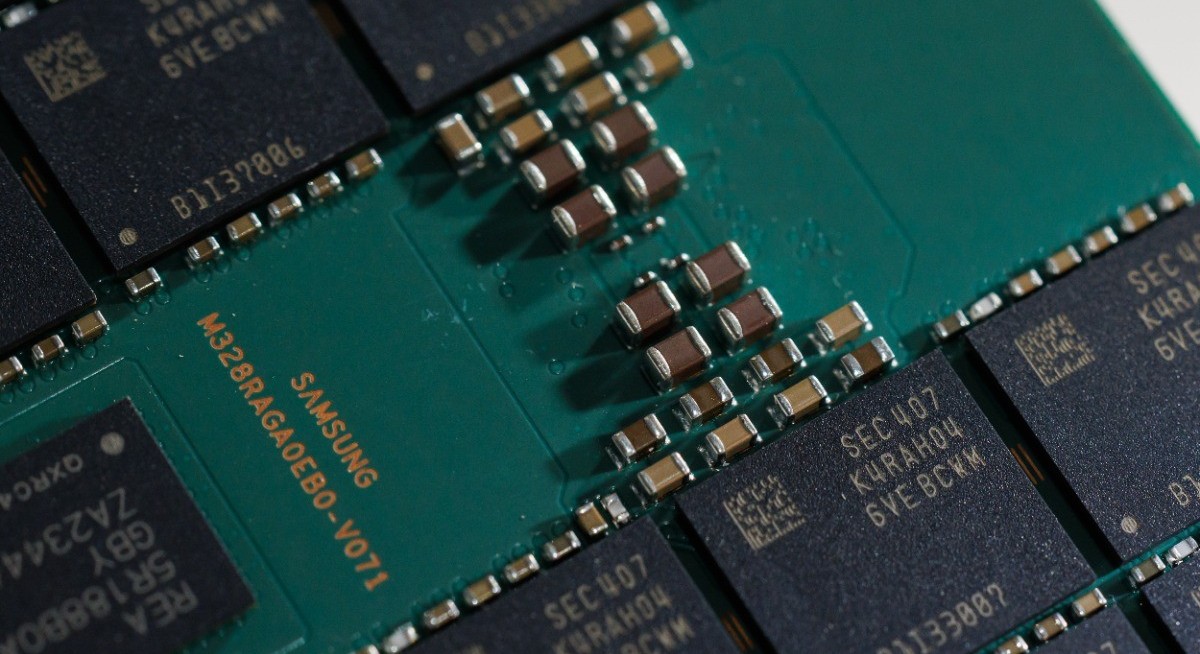


(March 26): Shares of computer memory and storage products slumped on concerns over demand after Google researchers touted a new compression technique. But it may be a hiccup rather than an existential threat.
SK Hynix Inc, a key maker of memory chips for artificial intelligence applications, fell as much as 6.4% on the Korea Exchange. Flash memory manufacturer Kioxia Holdings Corp dropped 6.4% in Tokyo. That followed losses by Micron Technology Inc and Sandisk Corp on Wednesday in New York.
The Alphabet Inc unit said its new TurboQuant technology can limit the amount of memory required to run large language models by at least a factor of six, reducing the overall cost of training artificial intelligence. Memory forms a vital part of Nvidia Corp’s accelerators and demand has surged during the AI boom.
However, bulls tracking the blistering rally in global memory shares say that improved efficiency will increase rather than reduce demand — an old theory known as the Jevons Paradox.

The 19th century premise was cited in a note from the trading desk at JPMorgan Chase & Co. Its analysts said that investors may take profits on the news, but there’s no near-term threat to memory consumption.
See also: OpenAI hires CEO of India’s JioStar to head up Asia-Pacific
TurboQuant is positive for hyperscalers and large language models given the return on investment opportunity, Morgan Stanley analyst Shawn Kim wrote in a note. “This compression algorithm makes AI inference 8x faster while using 6x less memory,” he said.
Memory and storage product prices have climbed in recent months amid shortages due to ravenous demand tied to the AI boom. That’s driven exponential moves in related stocks, such as Kioxia’s 700% surge since the end of August.
The Google news spurred some caution that demand could be reduced, but some analysts pushed back on this idea saying the opposite is actually true.
See also: Europe’s tech exodus drained US$1.4 tril in value, study shows
Jevons Paradox is an English economist’s theory about coal production, stating that the more efficient it becomes, the more the demand will rise. The idea was brought up last year when China’s low-cost DeepSeek AI model sparked fear of reduced demand for advanced technology.
The Google development may make “little difference to demand given the extreme supply constraints,” Ortus Advisors analyst Andrew Jackson wrote in a note on Smartkarma. For Kioxia, “after such massive gains it makes sense we see a bit of profit-taking creep in.”
Uploaded by Evelyn Chan




