


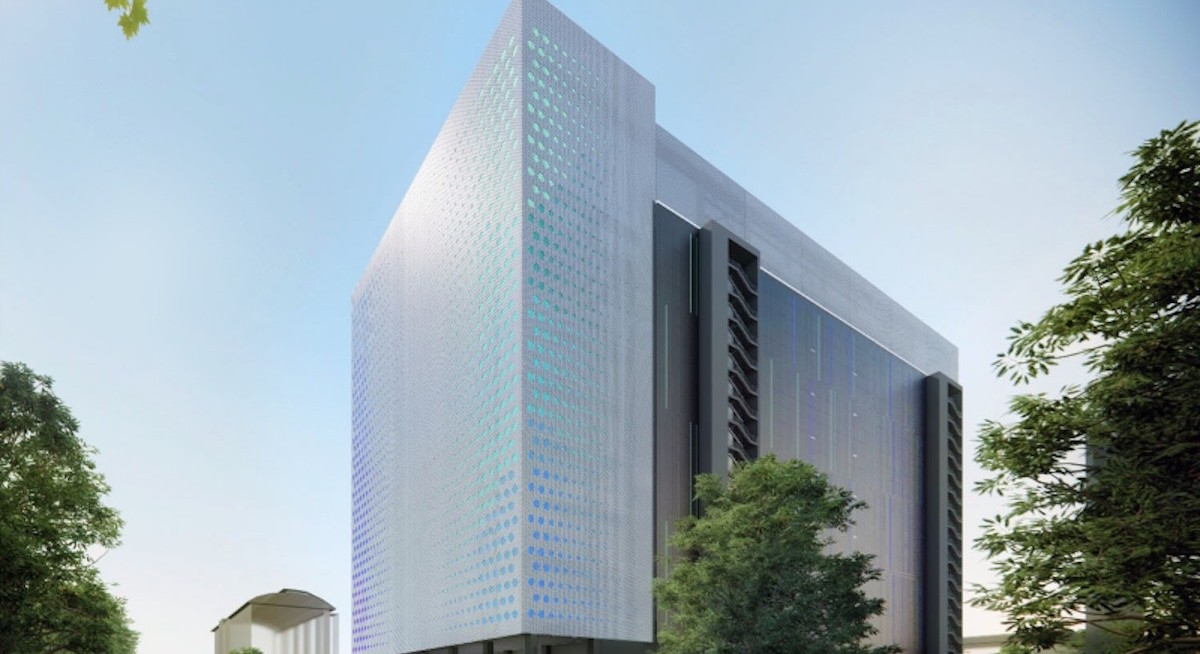


The launch of DC Tuas signals a broader push by Singtel to scale its data centre footprint through both construction and acquisitions. On Feb 4, it confirmed a partnership with KKR to buy the remaining 82% of ST Telemedia Global Data Centres (STT GDC) for $6.6 billion, valuing the platform at $13.8 billion. The acquisition adds STT GDC’s 2.3GW of design capacity across 12 countries to Nxera’s growing footprint. Nxera is scaling toward 400MW overall, with new AI-ready facilities in Batam and Johor expected to come online in the second half of 2026. DBS analyst Sachin Mittal, who carries the street-high target of $5.71, calls it “a long-term growth driver at a small cost”.
The scale of the opportunity explains the urgency. Market research firm Gartner projects global AI spending will hit US$2.52 trillion ($3.2 trillion) in 2026. Yet, CBRE estimates a 15GW to 25GW deficit in Asia Pacific by 2028, despite a doubling of data centre supply, because legacy facilities were not designed for AI workloads.
Singtel is pushing beyond physical infrastructure into managed AI computing through RE:AI, its cloud service offering enterprises on-demand access to Nvidia chips through Singtel’s patented orchestration platform. Maybank Securities analyst Hussaini Saifee says this GPU-as-a-service model should command more value than merely leasing rack space. Among the organisations set to use RE:AI is Singapore’s Home Team Science and Technology Agency, which can rapidly prototype and deploy AI for public safety use while keeping sensitive data within trusted local environments.
STT GDC is loss-making today and will not add to earnings for two to three years. However, PhillipCapital’s Paul Chew notes that it has a pipeline of projects that could triple its capacity, mostly in underpenetrated data centre markets in Asia Pacific, calling it “a growth funnel for Singtel post-Singtel28 plan”.
See also: Large caps lead active value realisation in February
The enterprise pivot extends beyond data centres. NCS, Singtel’s IT services arm, posted 41% ebit growth and secured $1.8 billion in orders for 1HFY2026 ending Sept 30, 2025. The unit is investing $130 million over three years to drive AI transformation across Asia Pacific. Meanwhile in Australia, Optus delivered a 27% increase in ebit in the same period as cost discipline and 5G subscriber growth took hold.
Singtel’s regional associates portfolio doubles as both an earnings engine and a war chest. The crown jewel is a roughly 27.5% stake in India’s Bharti Airtel, which has posted seven straight quarters of profit growth as 645 million customers upgrade to faster networks.
The portfolio extends further, with stakes in Globe Telecom in the Philippines, AIS in Thailand and Telkomsel in Indonesia. This gives Singtel exposure to some of Southeast Asia’s fastest-growing digital economies. Together, these associates contributed $1.1 billion in pre-tax profit in the first half alone. CGS International’s Prem Jearajasingam estimates Singtel could raise another $12 billion by trimming its stake in Airtel, funding growth while maintaining generous dividends. His target price is $5.34.
See also: An ‘Irrational’ Year of the Fire Horse and ‘DBS at $80’
HSBC analyst Piyush Choudhary expects payouts of 18.5 cents this year, rising to 20 cents next year, with a roughly 4% yield and a $2 billion buyback. Net debt-to-ebitda remains healthy at about 1.5 times.
As businesses digitalise and adopt AI, Singtel is moving beyond its telco roots to become an AI-ready infrastructure and enterprise services provider. The shift broadens the investment case beyond steady dividends to growth driven by data centres, AI computing and its regional portfolio.




