


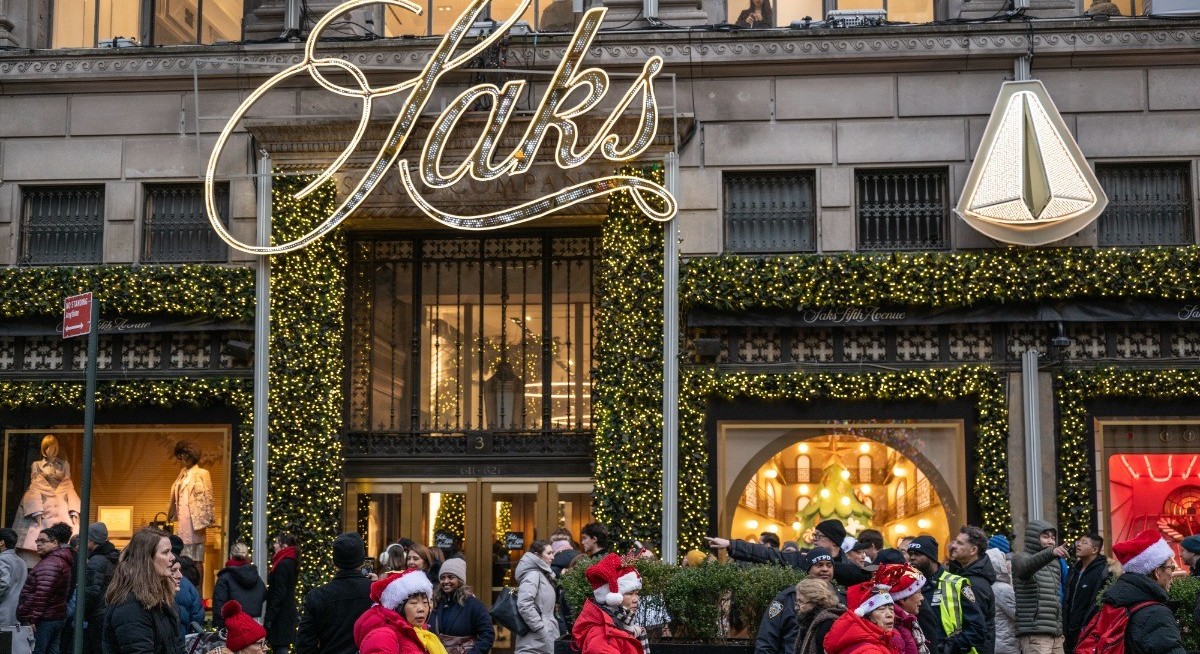


Saks raised billions of dollars from bond investors late last year to finance a bold turnaround plan centred on the acquisition of Neiman Marcus, betting that scale would revive the struggling luxury retailer. Instead, the deal deepened the company’s debt burden and failed to resolve long-running issues with vendors, many of whom halted shipments amid missed payments, accelerating losses.
In June, Saks persuaded creditors to provide hundreds of millions of dollars more as part of a debt deal that reshuffled repayment priorities, creating multiple tiers of bondholders with differing claims on the company’s assets. Even those securities have since plunged, underscoring concern among investors that the turnaround effort is running out of time.

“Together with our key financial stakeholders, we are exploring all potential paths to secure a strong and stable future for Saks Global and advance our transformation while delivering exceptional products, elevated experiences and personalised service to our customers,” a representative for Saks said via email. PJT Partners, which is advising the company, declined to comment.
See also: $90 mil AEI to add 62,000 sq ft of GFA, office space to NEX shopping mall
The tie-up with Neiman last year was intended to create a multibrand luxury giant powered by the technology of new high-profile investors, which included Amazon.com Inc and Salesforce Inc. But by May, bondholders were already facing paper losses of more than US$1 billion as the plan stumbled.
Following the restructuring, Saks in October cut its full-year guidance after reporting declining sales tied to inventory management challenges, as it continued to delay payments to some vendors to conserve cash.
Saks faces interest payments of more than US$100 million due Dec 30, according to data compiled by Bloomberg. The US$941 million portion of Saks’ second-out notes restructured in August traded at about 7.5 cents on the dollar on Monday (Dec 22), down from roughly 36 cents two weeks earlier, according to Trace pricing. About US$762 million of more senior debt was quoted at around 48 cents.
Uploaded by Arion Yeow




