


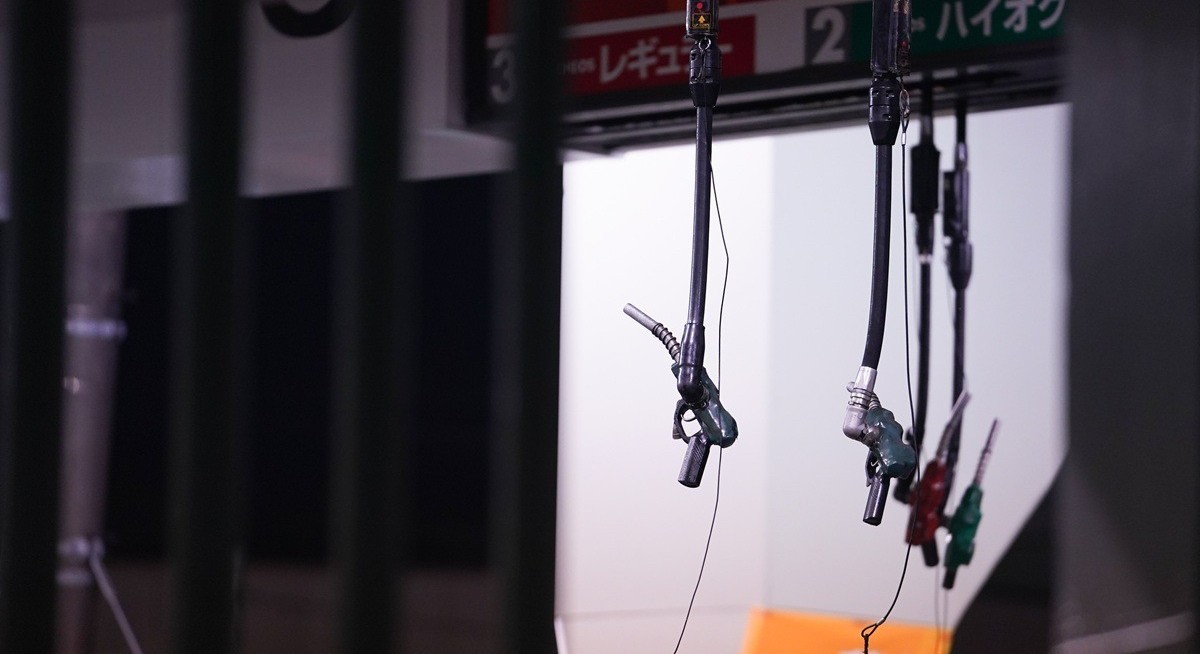


(April 14): Global oil demand will decline this year for the first time since the 2020 pandemic as a price surge caused by the Middle East conflict wipes out growth, the International Energy Agency (IEA) said.
“The Iran war has thoroughly upended the global outlook for oil consumption,” the adviser to major economies said in its monthly report. “Demand destruction will spread as scarcity and higher prices persist.”
The conflict has choked off oil flows through the Persian Gulf’s vital Strait of Hormuz, triggering what the IEA has called the biggest supply disruption in history. Surging prices for physical crude and products such as jet fuel, diesel and gasoline are squeezing consumers and taking a toll on demand.
Last month, the Paris-based IEA oversaw the release of a record 400 million barrels from emergency oil reserves by members including the US, Japan and Germany, in an effort to tame spiralling costs.
Flows of crude oil and refined products through the Strait of Hormuz have been reduced to just 3.8 million barrels a day, compared with pre-crisis levels of about 20 million — or roughly 20% of world supplies, according to the agency.
Global oil supply plunged by 10.1 million barrels a day last month, or about 9%, as Saudi Arabia, Iraq, the United Arab Emirates and Kuwait were forced to shutter production, the IEA said. A blockade of vessels entering or departing Iranian ports announced by US President Donald Trump came into effect on Monday.
See also: Oil declines as US, Iran weigh more talks with blockade in place
Oil’s disconnect
While oil futures registered an unprecedented surge in March, they remain considerably below record levels and the price of actual cargoes, trading at just under US$100 a barrel in London. This “disconnect” between futures and physical markets is becoming “increasingly acute,” according to the report.
IEA executive director Fatih Birol said Monday that oil futures still don’t reflect the severity of the crisis, but soon will.
See also: Russia’s crude exports from top Black Sea port remain limited
The agency’s report on Tuesday showed that previously expected global demand growth of 730,000 barrels a day has been erased, and consumption will now contract by a marginal 80,000 a day.
“Petrochemical feedstocks display the most immediate effects of the war by far, as the blockage of the Strait of Hormuz has thrown supply chains to Asia into disarray,” the IEA said.
Its base case assumes regular Middle East oil flows will mostly resume by mid-year, but it also presented a scenario with a longer disruption.
“In this case, energy markets and economies around the world need to brace for significant disruptions in the months to come,” the IEA warned.
Uploaded by Liza Shireen Koshy




