


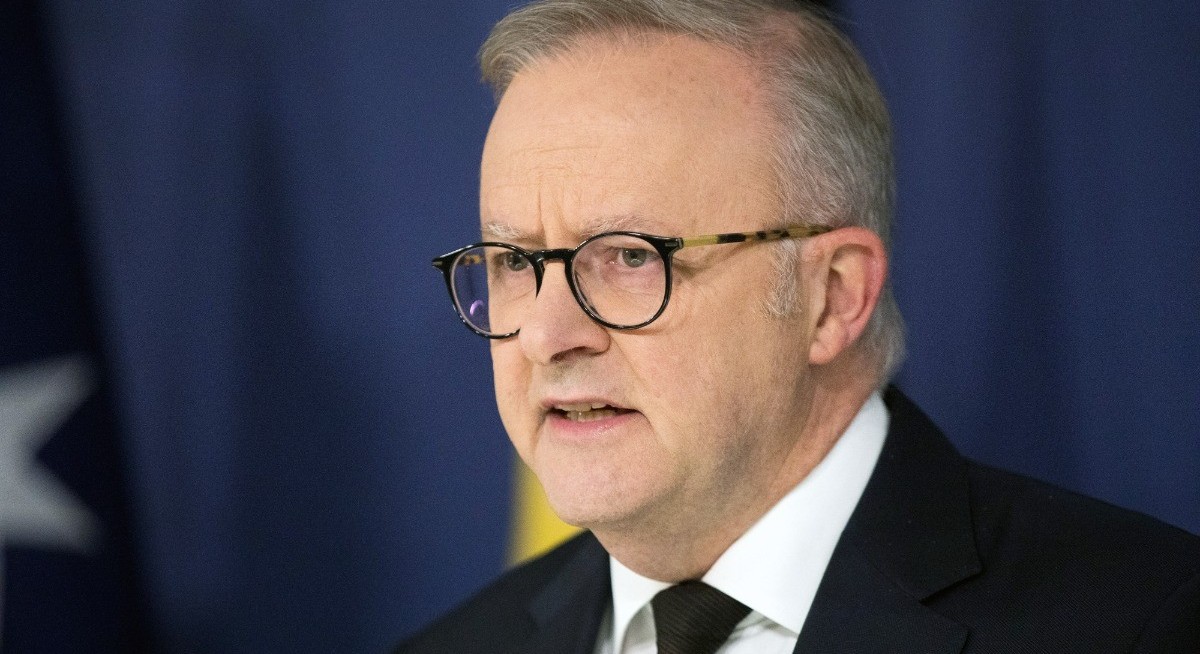


(April 13): Australian Prime Minister Anthony Albanese will make his second visit to Southeast Asia in less than a week as he tries to shore up fuel supplies against the backdrop of the Trump administration’s threat to blockade the Strait of Hormuz.
Albanese and Foreign Minister Penny Wong on Tuesday depart for Bandar Seri Begawan, the capital of Brunei, and then Kuala Lumpur in Malaysia in a four-day diplomatic effort, they said in a statement. The prime minister was in Singapore last Friday to ensure that two-way energy supplies remained secure.
Australia is highlighting mutual dependence with Southeast Asian fuel suppliers to ensure deliveries continue, with the quid pro quo that it will do the same with liquefied natural gas and coal. Albanese’s centre-left government has prioritised bolstering ties with the region to limit China’s sway and increase Australia’s influence.
Australia is now leveraging those relationships as it sits at the tail end of a long supply chain for crucial fuels. Ties with Association of Southeast Asian Nations are even more important as US foreign policy grows increasingly unpredictable under US President Donald Trump.
Albanese and Wong are due to meet with Sultan Hassanal Bolkiah in Brunei and Prime Minister Datuk Seri Anwar Ibrahim in Malaysia.

See also: European gas prices jump as Trump threatens Hormuz blockade
“I have very good relations with both of them, and we have good country-to-country relations,” Albanese told Australian Broadcasting Corp TV on Monday.
“The investment, frankly, that we have made in building up our relationships with Asean countries over the last four years, this is why you engage with partners,” he said.
Brunei supplies 9% of Australia’s diesel and 11% of its fertiliser-grade urea imports, while Australia is a key supplier of food and agricultural products to the sultanate, according to government data. Malaysia is Australia’s third-largest source of refined fuel and supplies 10% of fertiliser-grade urea, while Australia provides 95% of Malaysia’s imported natural gas.
See also: Oil advances as US blockade of Hormuz Strait escalates energy crisis
Trump announced plans for a naval blockade of the Strait of Hormuz hours after the US and Iran failed to reach a deal in talks in Pakistan, jeopardising hopes of turning a fragile ceasefire into a lasting end to the war. Albanese said the US had not asked Australia to participate.
On Monday, he urged a resumption of peace talks between the US and Iran.
“We want to see an end to this conflict,” Albanese said. “It’s having a devastating impact on the global economy, and the longer it goes, the bigger the impact will be, and the longer the tail will be as well.”
Uploaded by Tham Yek Lee




