


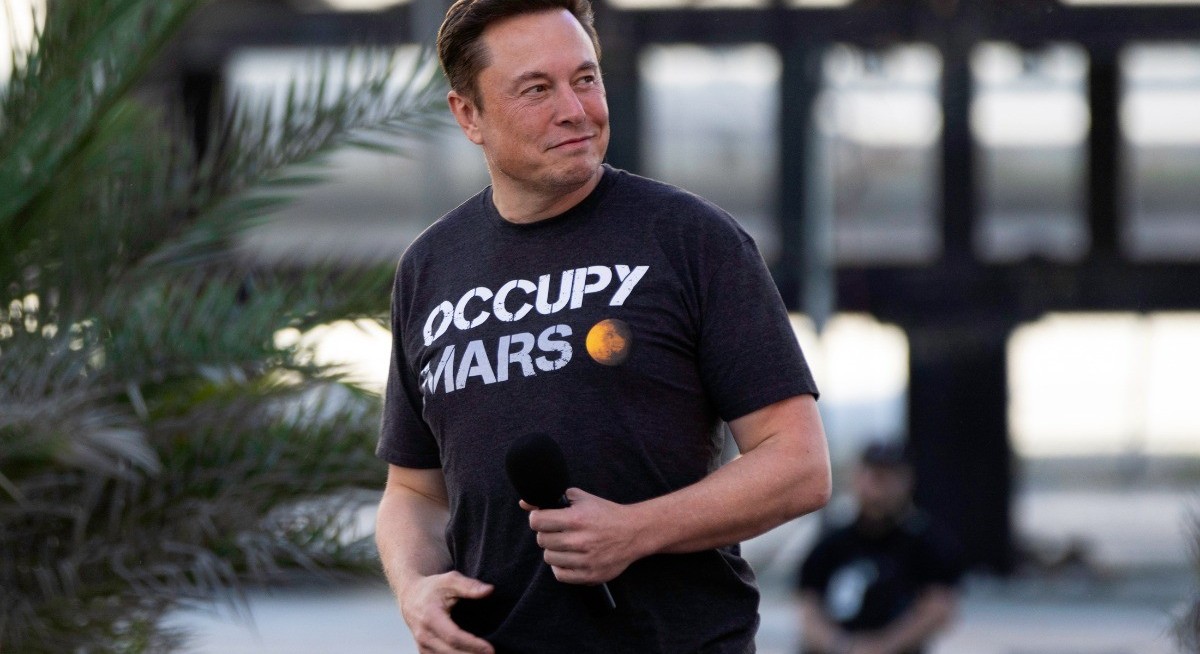


(Feb 24): Billionaire Elon Musk planning the largest initial public offering (IPO) of all time for SpaceX is great news for existing backers and banks that would reap astronomical fees.
One group that isn’t cheering? Other companies eyeing listings of their own.
SpaceX could raise as much as US$50 billion in a US listing that would potentially lay the foundation for IPOs of artificial intelligence companies Anthropic PBC and OpenAI Inc, Bloomberg News has reported. Both firms, which rank among the most highly-valued private companies in the world, have taken steps towards going public this year.
With Musk’s rocket and satellite maker eyeing a June debut, it and other potentially massive deals threaten to dominate investors’ attention, and pressure companies weighing relatively normal-sized IPOs to work around them.
Magnus Tornling, global head of equity capital markets at buyout firm EQT AB, sees a risk that large asset managers may not be watching for smaller offerings if they’re launched too close to blockbuster tech IPOs.
“I don’t think we would like to be out and competing for attention,” Tornling said in an interview. The firm would instead try to accelerate its portfolio companies’ IPO timelines to a month and a half at least before a megadeal like SpaceX, he said.
See also: Carlsberg said to begin US$700 mil IPO process to list India unit — Bloomberg

Stockholm-based EQT is gearing up to list waste management firm Reworld and school bus operator First Student in the US as soon as this year, Bloomberg News has reported. The private equity group has also lined up advisers for cyber insurer CFC to explore a sale or IPO, which could take place in London or New York.
The IPO market has been clawing its way back from a slump following the record fundraising during the pandemic. The US$170 billion raised in 2025, excluding blank-check firms and other financial vehicles, was the most in three years, data compiled by Bloomberg show.
See also: Boustead likely to pay special dividend following IPO of UI Boustead REIT
It was less than an average year in the decade before the pandemic, however, never mind the record-breaking US$492 billion raised in 2021.
For maturing firms outgrowing the venture capital ecosystem, and private equity firms whose portfolio companies are reaching the end of their typical investment cycles, timing a public market debut just got harder.
“There’s an ongoing debate as to whether these mega IPOs will impact other candidates’ listing timelines and whether they would want to get ahead of that,” said Per Chilstrom, a New York-based partner at law firm Baker McKenzie specialised in capital markets. The risk is that giant listings would threaten to suck up some of the cash that could be put into other deals, Chilstrom said.
So called long-only investors, such as mutual funds and pension funds, may have little choice but to buy as much of the shares in these megadeals as they can. Whether big asset managers are allocated shares in listings such as SpaceX, and those stocks’ after-market performance, will be key for their returns for this year, Tornling said.
SpaceX, Anthropic and OpenAI are already larger than 95% of companies in the US benchmark S&P 500 Index, based on their private market valuations, and strong debuts would leave anyone who doesn’t own them trailing the market.
“When institutions and retail investors open up the page of stock holdings there will be a question of, ‘Why don’t you own that?’,” according to Dan Klausner, head of US public equity advisory at Houlihan Lokey Inc.
Portfolio managers may have to trim their holdings to make room for incoming mega-cap stocks, Klausner said.
To stay ahead of Singapore and the region’s corporate and economic trends, click here for Latest Section
“The fund probably doesn’t always have US$1 billion in cash lying around — so they would need to potentially sell some of their winners, which could cause some knock-on effects for public companies,” he said.
Freeing up funds to invest isn’t an issue if the opportunity is right, however.
“When there are big deals — across all ECM products — funds can make room for what they want to buy,” said Matt Warren, Bank of America Corp’s co-head of Americas equity capital markets.
For the latest news on equity capital markets activity in the US, Canada and Latin America, follow the channel or visit NI BFWECMUS. To subscribe to ECM Watch, Bloomberg’s daily roundup of news from around the region, click here.
There could be a silver lining for companies that change their listing timing to make way for tech giants.
If those bumper deals trade positively, they could also entice more investors into the broader IPO market, according to Stephane Gruffat, Deutsche Bank AG’s global head of ECM syndicate.
“A number of IPOs are typically mid-cap in size, and the large-cap mutual funds don’t usually have the opportunity to participate in those,” he said. “But when you have large-cap IPOs that work well, the positive sentiment really travels and reverberates broadly.”
Uploaded by Evelyn Chan




