




(June 5): India’s central bank and government took coordinated steps to shore up the rupee after it plunged to a record low, turning to its playbook from the 2013 taper tantrum to spur foreign inflows.
In a scheduled monetary policy meeting Friday, the Reserve Bank of India (RBI) outlined steps to make it easier for overseas investors to buy government bonds and stocks. Separately, the government announced a reduction in capital gains taxes on bond investments by foreign institutional investors.
The RBI also kept its benchmark repurchase rate unchanged at 5.25%, in line with most forecasts, opting to wait out current inflation threats.
The synchronised action reflects India’s determination to bolster the rupee and shield the economy from the fallout of an Iran war-linked energy shock. Economists likened the moves to those taken more than a decade ago when the rupee came under severe pressure during the 2013 taper tantrum.
Sonal Varma, an economist with Nomura Holdings Inc called it a “bazooka announcement” that would help boost the country’s balance of payments. “The RBI has rightly chosen to not use policy rates to defend the currency” and instead use non-monetary measures, she said.

See also: Mapletree India’s commercial space turns income-producing
The rupee and bonds extended gains as India’s finance ministry billed the measures as major reforms to deepen the government debt market and facilitate greater foreign portfolio investment in equities. The rupee rose 0.5% to 95.3525 to the dollar. The yield on the 10-year bond was down as much as five basis points to 6.94%.
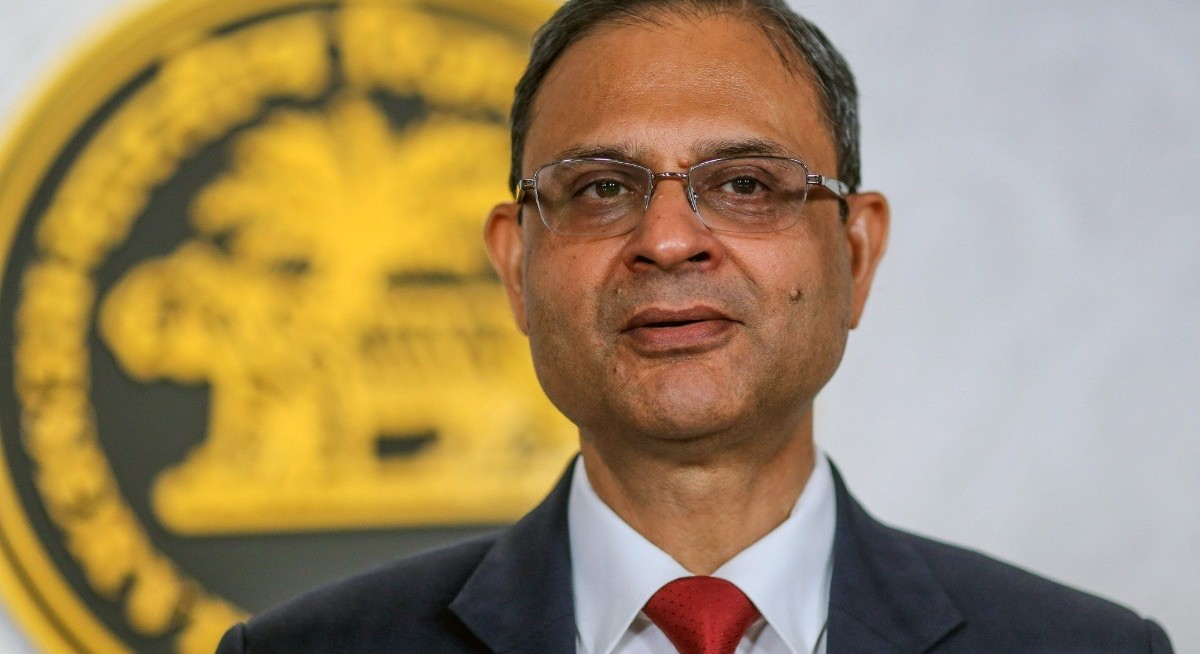
RBI Governor Sanjay Malhotra said authorities are prepared to take necessary action when needed.
“We shall remain vigilant, and we are fully prepared, as mentioned earlier, to do whatever it takes to preserve an orderly market conditions,” he said.
See also: India sets aside US$1 bil to shield airlines from fuel shocks
Asked by reporters whether the central bank would restrict capital outflows, Malhotra said no such moves were under consideration.
‘Well choreographed’
Radhika Piplani, an economist with Motilal Oswal Financial Services, estimated that the measures announced Friday, when taken together, would boost fresh dollar inflows by US$30-50 billion ($38.51-64.19 billion in the current financial year.
“This was a well-choreographed move between the RBI and government to attract foreign capital,” she said. “This is positive for rupee.”
The potential inflows from the measures announced would be a big boost at a time when equities have already seen over US$27 billion of outflows this year and India was projected to post a balance of payments deficit for a record third year. The currency steps are likely to result in “healthy inflows” and a much better balance of payments situation this year, Malhotra told reporters Friday.
“‘Whatever it takes.’ That sentence pretty much sums up today’s MPC policy’s resolve, which faced difficult terrain due to sharp uptick in crude oil prices and its second-round effects on the economy,” said Dhawal Dalal, president and chief investment officer of fixed income at Edelweiss Mutual Fund.

To stay ahead of Singapore and the region’s corporate and economic trends, click here for Latest Section
Alongside the rate decision, the RBI also updated its growth and inflation forecasts. It now expects inflation for the fiscal year through March 2027 to reach 5.1% — well above its 4% target — from 4.6% previously.
The central bank lowered its economic growth forecast for the current financial year, which began in April, to 6.6% from 6.9%. The governor said prolonged volatility poses downside risks to growth but policymakers will wait for greater clarity to emerge on the inflation front before acting.
“The MPC will continue to remain data dependent and closely monitor the developments, including supply side pressures getting embedded in the general price level and inflation expectations,” he said. “Although risks of higher inflation have amplified, the MPC felt it would be prudent to wait for greater clarity to emerge,” Malhotra said.
The rupee is down almost 6% against the dollar so far this year, making it one of the worst performing currencies in Asia. The central bank has ramped up its currency intervention and taken a number of other measures to halt the rupee’s depreciation, helping it pare some of its losses in recent weeks.
“We believe the RBI is clearly signalling that defending the rupee will rely on administrative levers rather than blunt rate hikes,” said Sneha Pandey, fixed income fund manager at Quantum Asset Management. Along with liquidity steps through open market operations, the measures “underscore the RBI’s preference for stability without sacrificing growth.”
Measures announced to boost capital inflows:
- A reduction in taxes on any interest on government security, and any capital gains arising from the sale, exchange or transfer of such government security.
- Broadened foreign access to government bonds by expanding the Fully Accessible Route (FAR) to include new 15-, 30- and 40-year sovereign bond issuances, while removing certain investment restrictions on foreign investors.
- Enhanced tax incentives for foreign investors in government securities.
- Raised investment limits for NRIs and OCIs in listed equities without requiring Sebi registration, and extended the same access to all individual overseas investors.
- Introduced a concessional forex-swap facility until Sept. 30, 2026 to encourage external commercial borrowings by state-owned companies.
- Offered full hedging-cost support until Sept 30, 2026 for banks raising 3-5 year FCNR(B) deposits.
- Restored the export proceeds realisation period to nine months reversing the temporary extension to 15 months.
Uploaded by Chng Shear Lane




