


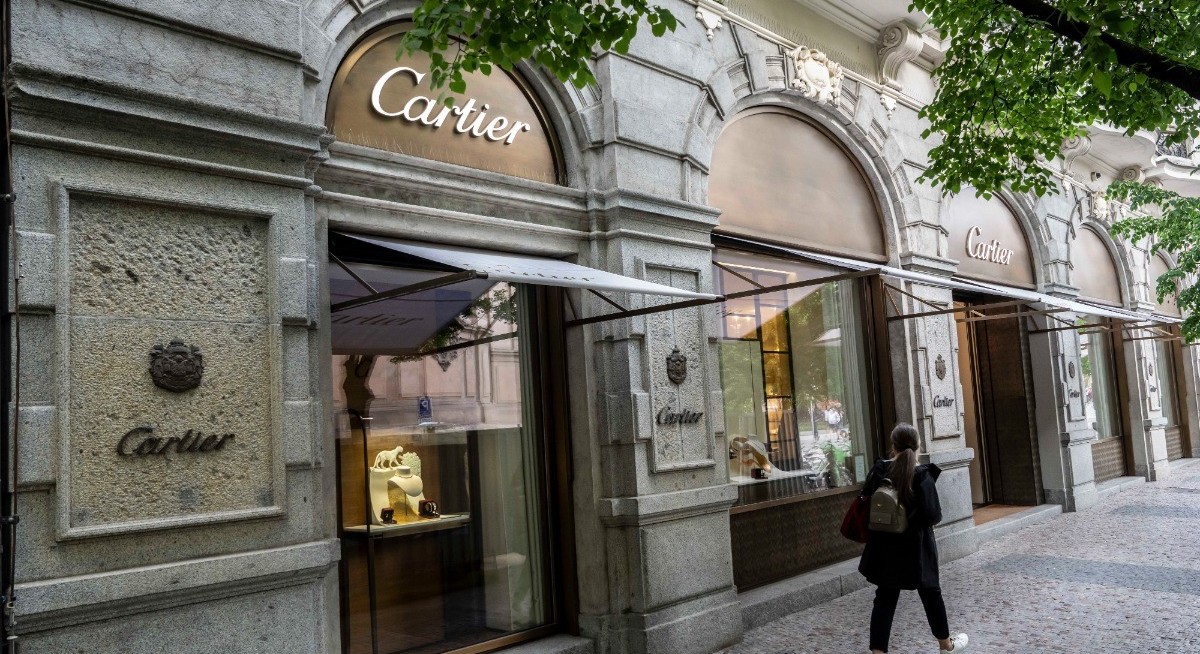


(May 22): Richemont’s full-year sales rose more than expected as shoppers splurged on its pricey Cartier bracelets and rings, helping the Swiss group weather a luxury market slowdown better than most rivals.
Sales climbed 11% on a constant currency basis in the fiscal year ended in March, the company said on Friday, compared with the 9.78% estimate of analysts surveyed by Bloomberg. The jewellery unit, which includes Van Cleef & Arpels, also topped expectations.
Richemont has proved resilient during the luxury downturn in part because of its focus on fine jewellery, which is often viewed as a better store of value than expensive apparel and leather goods. All regions contributed to growth, led by a 17% sales increase at constant exchange rates in the Americas.
“Richemont remains one of our preferred names in luxury, driven by unmatched scale and desirability in high-end jewellery, superior pricing power and a tightly controlled distribution network,” Vontobel analyst Jean-Philippe Bertschy said in a note.

Rings on display at a Cartier boutique in London.
See also: Yara ups deliveries in 1Q as Iran war jolts fertiliser market
Richemont shares rose as much as 5.6% to an almost three-month high in early Zurich trading. They had fallen 9% this year through Thursday’s close, compared with a 27% decline in LVMH, whose brands include Louis Vuitton and Christian Dior.
Richemont proposed a 10% dividend increase alongside a one Swiss franc special dividend. It also launched a new share buyback programme to repurchase up to 10 million A shares.
Conflict effects
See also: Hyundai Motor eyes increasing China’s share of global sales to about 9%
Hopes earlier this year that the broader luxury industry was poised to emerge from its slump evaporated with the war in the Middle East, which reduced demand in the region and darkened the global economic outlook.
Richemont gets about 9% of its revenue from the Middle East and Africa, where the onset of the conflict affected sales in high-end shopping hubs like Dubai. Luxury groups LVMH Moet Hennessy Louis Vuitton SE, Gucci-owner Kering SA and Hermes International SCA all cited the conflict when reporting weaker-than-expected first-quarter sales.
Richemont’s sales at constant currencies rose by 13% in the Middle East and Africa on the year, but slipped 3% in the fourth quarter, reflecting slower local demand and reduced tourist flows.
“We feel very sorry for everybody involved, but it’s not going to make or break our balance sheet or profit and loss account,” Chairman Johann Rupert said on a call, speaking of the Middle East.
Uploaded by Felyx Teoh




