


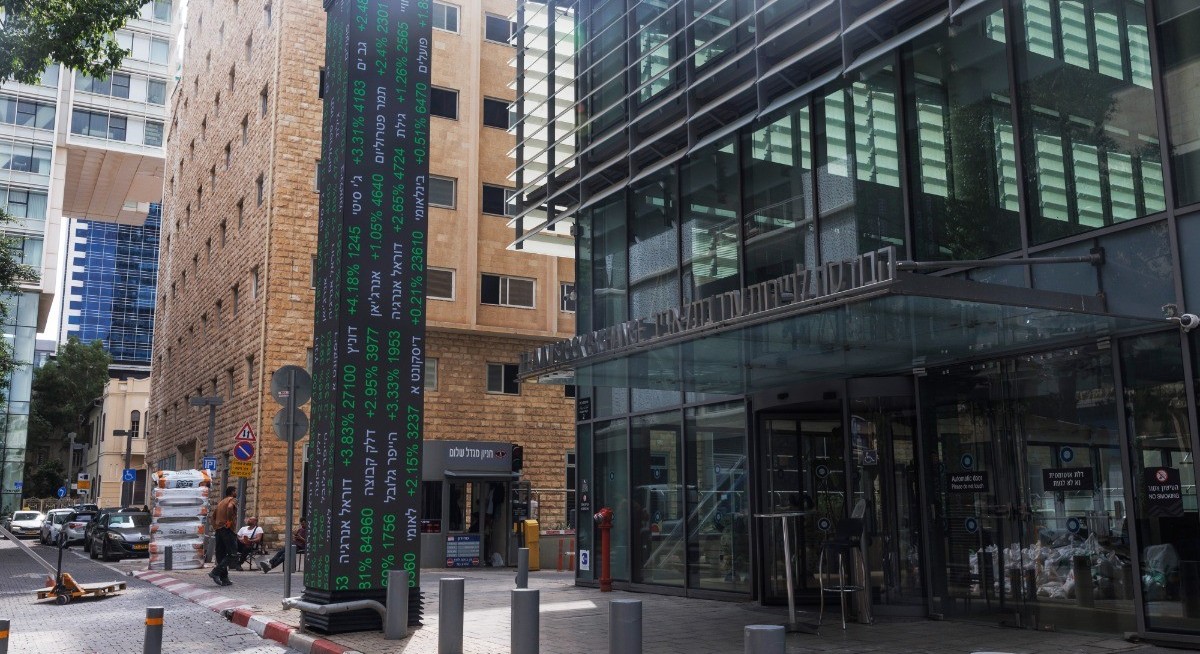


“We’re expecting significant amounts of capital inflow and, to that end, the stock exchange is the country’s economic distribution channel, the gateway connecting the economy and capital markets to the world,” Ittai Ben Zeev, TASE’s chief executive officer told Bloomberg. “Our move is meant to accommodate those investors.”
A ceasefire with Lebanon-based Hezbollah late last year, followed by a strike on Iran’s nuclear and ballistic missile arsenals and a volatile end to the war in Gaza paved the way for the return of foreign investments. An internationally adaptable trading week is aimed at elevating the appeal for non-Israeli investors.
Another major incentive to swap trading days — unpopular with the local workforce because of the misalignment with the rest of the country — is to join the MSCI Europe index, which captures large- and mid-cap representation across 15 developed countries in Europe. Until now the mismatch in trading days ruled that out.
“Israel is clearly underrepresented in international indices,” Ben Zeev said. “Quite a few foreign entities have told me that if we had that presence they’d be investing more here.”
See also: UK banks push to manage billions of pounds lying idle
Data published by TASE this week summing the year through Dec 19 shows the benchmark Tel Aviv 35 index is up 73% in US dollar terms, beating many benchmarks in Europe and the US. TASE is currently home to 546 companies traded in Tel Aviv, including 49 dual-listed firms.
Over the past 12 months, foreign investors have reversed trend, completing an annual net purchase of about 4.3 billion shekels, following two consecutive years of net sales.
In the first nine months of 2025, the value of non-Israeli institutional holdings of non-dual shares rose by about 70% in dollar terms. It peaked at a historic 63.5 billion shekels in September, according to a TASE report published this week. Foreign demand as well as that of local retail investors exceeded that from local institutional investors who increased their exposure to local assets moderately.
See also: Dubai’s Bin Sulayem quits DP World after Epstein ties exposed
Ben Zeev said he is hoping that US-based funds will now increase their capital flows, noting a new appetite on the part of some European players who have traditionally been less interested.
Uploaded by Felyx Teoh




