


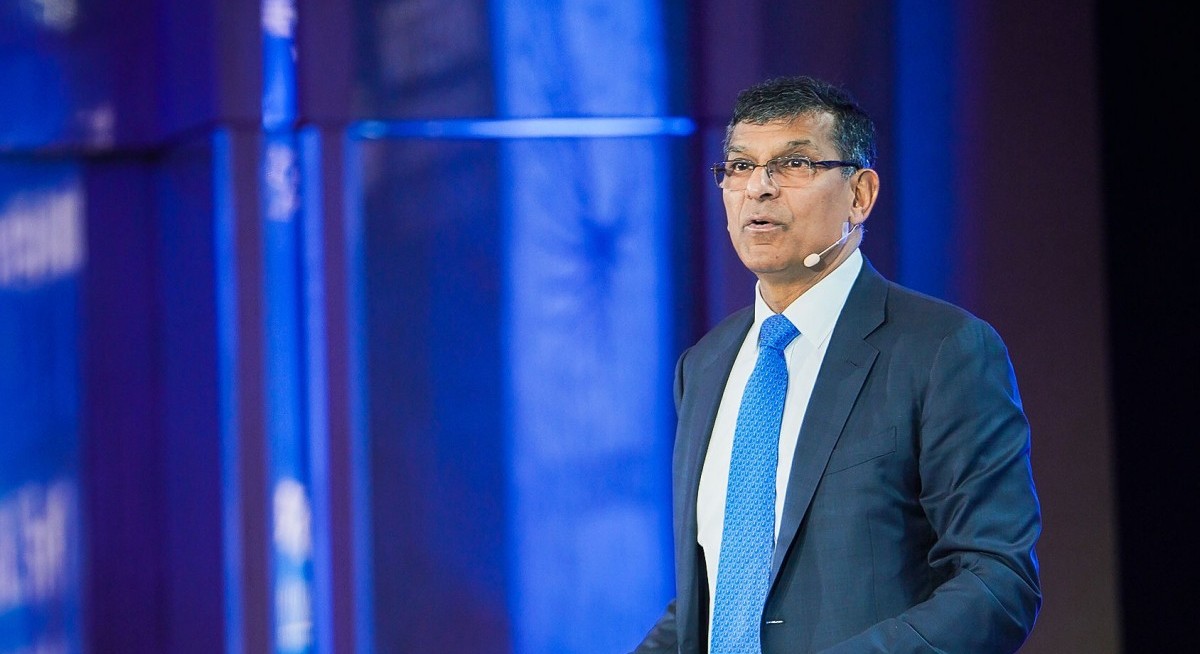


Speaking at an investor event hosted by Clifford Capital on Dec 2, Rajan warns that private credit has not been subject to the same scrutiny as other established instruments.
“The big question is: Has all this innovation been subject to stress tests? As you know, regulation doesn’t reach private credit as much, and there are situations where you suddenly find [that] either the transparency and intelligence has not been great, as we saw in a couple of situations, or you see that they’re actually much more dependent on leverage and liquidity” adds Rajan, who is now the Katherine Dusak Miller Distinguished Service Professor of Finance at the University of Chicago’s Booth School of Business.
Unlike the banks, private credit players “don’t have direct lines” to the central bank, says Rajan, who was Reserve Bank of India (RBI) governor between 2013 and 2016. “That also needs to be tested going forward.”
Rajan, who had a front-row seat to the inner workings of the financial system before and after the GFC, is wary of private credit because the sector has not undergone a trial by fire.
See also: World stocks near record high as crude oil drops on Iran
“One of the big issues is: Has this been through a serious recession? The pandemic doesn’t count? Because [during the] pandemic, you had a huge influx of public money to support everything that had any kind of problem,” he adds. “You saw at the beginning of the pandemic, banks increased their loan loss reserves, and after a few quarters of support, they reduced them tremendously.”
The market is in a period of “ample credit” with the Fed “cutting into it” — “that is the time when the risks build up more”, warns Rajan. “This is a time to really be more careful about the risks that are playing out. It’s when lenders are free with their cheque books that all the risks build up; that’s the time to be a little more cautious.”
The financial sector should stay alert even as news of “positive upsides” appear — whether in the form of rising profits in the private markets or the success of artificial intelligence investment so far, he adds. “The view is this will continue for a long time, and that is when mistakes are made.”




