


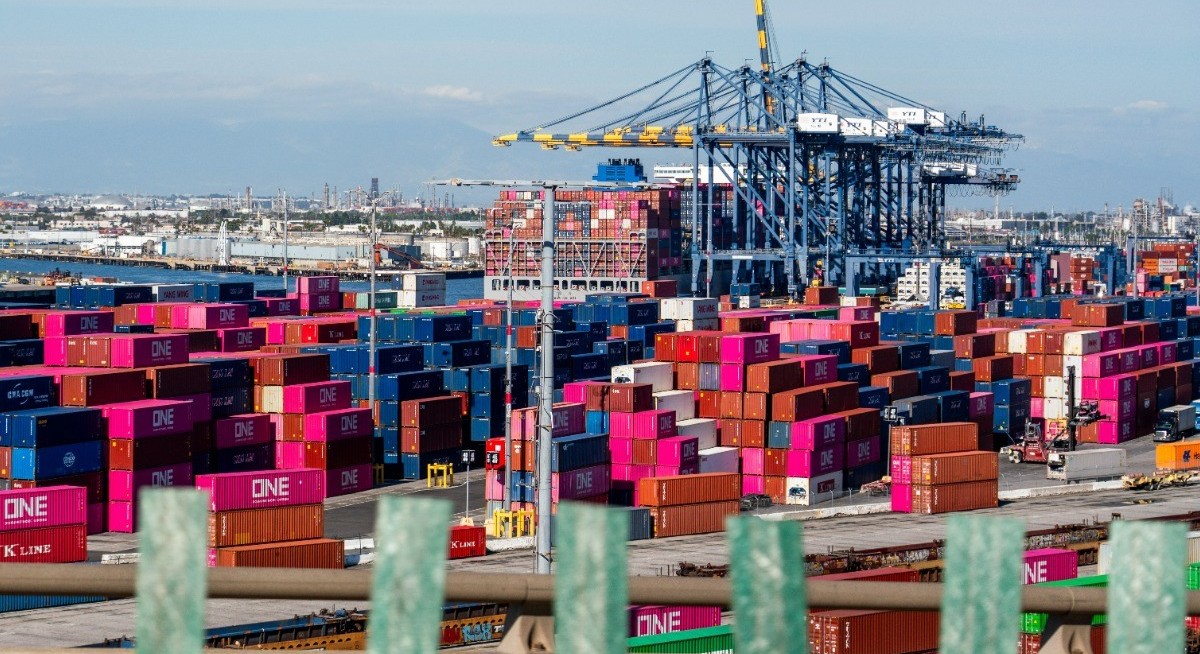


(June 12): The Trump administration scored a key procedural win over a group of states and small businesses challenging the 10% global tariffs instituted in February, after a federal appeals court ruled the government can enforce the levies while the fight plays out.
The US “made a sufficient showing” that it’s likely to win the dispute over President Donald Trump’s use of Section 122 of the Trade Act of 1974 to issue tariffs, a federal appeals court in Washington held Thursday.
Allowing the tariffs to continue for now is “warranted under the circumstances”, the court said.
Trump imposed the Section 122 duties in February after the US Supreme Court vacated earlier levies he’d imposed under the International Emergency Economic Powers Act, or IEEPA. But in May, a divided US Court of International Trade panel ruled that Trump’s Section 122 tariffs were also invalid, kicking off a new set of appeals that’s likely to reach the Supreme Court again.
Section 122 had never been used to issue tariffs before. The law allows the president to issue limited duties to address major “balance-of-payments deficits”, a situation the states and small businesses say Trump is conflating with US trade deficits.
Arguments over the definition of balance-of-payments deficits have been central to the case. The trade court disagreed with the government’s broad definition. But the appeals court on Thursday held that the trade court’s view may have been too narrow.
See also: ECB hikes for first time since 2023 as inflation heats up
“Although we do not offer our own interpretation of Section 122 at this stage, we are persuaded by the federal government’s argument that the CIT majority’s interpretation — that ‘balance-of-payments deficit’ is limited to deficits measured by liquidity, official settlements, or basic balance — may be incorrect,” the appeals court said.
In its May ruling finding the Section 122 tariffs invalid, the trade court had only blocked the government from enforcing the levies against two small businesses that sued and Washington state. Even so, the Justice Department argued that the broader ruling against the tariffs should not be allowed to remain in place while it appeals.
The government said that would undermine the president’s economic agenda, interfere with trade negotiations with foreign governments and pull already-stretched resources from the effort of processing refund claims for the earlier round of tariffs that the Supreme Court struck down.
See also: Singapore leads global business environment rankings in Savills’ 2026 Nearshoring Index
The court did not identify the judges who issued the order.
Uploaded by Chng Shear Lane




