


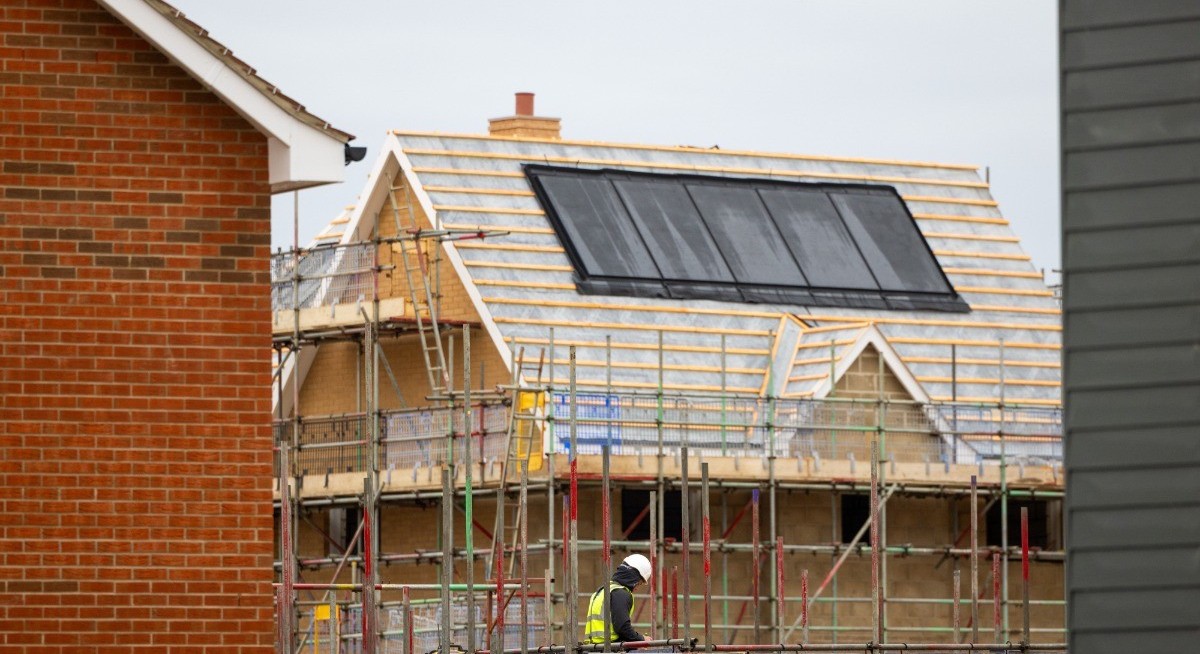


(March 5): UK construction activity unexpectedly declined at a sharper pace in February, according to a closely watched survey, with housebuilding particularly weak.
S&P Global’s overall construction purchasing managers’ index (PMI) fell to 44.5, from January’s seven-month high of 46.4. It remained below the 50 threshold indicating contraction and defied economists’ expectations of another rise to 47.
The report provides a sobering read for the Labour government which promised to deliver 1.5 million new homes before the end of the parliament. Housebuilding remained the worse sub-sector in February, shrinking at a faster rate than commercial construction and civil engineering. Its PMI score dipped from 39.3 to 37.
The results will temper hopes that British builders are on the verge of a recovery after a tumultuous 2025. The construction industry has been shrinking for 14 months and the latest slowdown was faster than the average recorded over that period.
“A sharper downturn in housebuilding was the main factor behind the setback for UK construction activity in February, following some signs of stabilisation at the start of 2026,” Tim Moore, economics director at S&P Global Market Intelligence, said.
Across the industry, builders reported weak demand, a lack of new project starts and wet weather delaying some works. Commercial activity also shrunk at a faster pace in February, while the downturn in civil engineering showed signs of easing.
See also: IMF says Mideast war to test world economy, expecting new shocks
There were some signs of stabilisation, however. Business optimism rose to the highest since December 2024, on the back of new contract wins on big infrastructure projects and hopes of improving domestic conditions.
Nonetheless, the survey was conducted before US President Donald Trump’s strikes on Iran roiled markets and pushed up energy costs, with likely repercussions for the UK economy.
Cost inflation continued to hit margins in February. Raw material prices — from concrete and copper, to insulation and steel — rose at the sharpest rate since July 2025.
Uploaded by Felyx Teoh




