


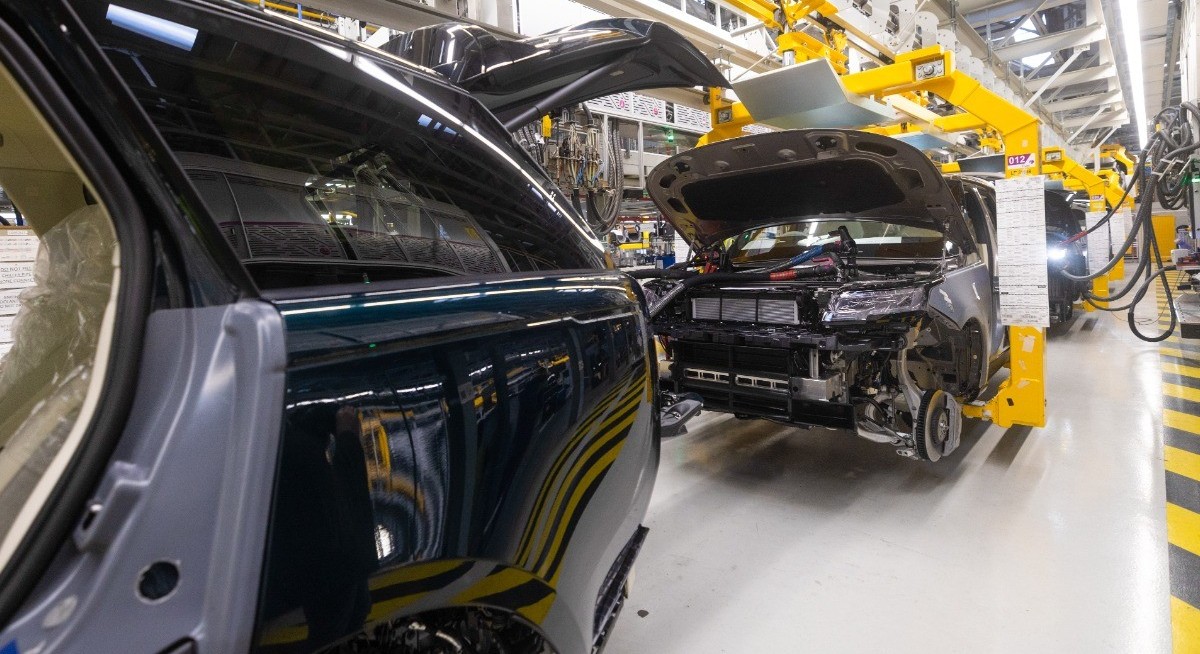


(April 1): UK factories are enduring the most intense strain on supply chains and steepest price pressures since the aftermath of Russia’s invasion of Ukraine, according to a closely watched survey.
S&P Global’s manufacturing purchasing managers’ index (PMI) laid bare the impact on British factories from the Middle East conflict just a month after the US and Israel launched a fresh round of attacks on Iran.
Manufacturing output contracted for the first time in six months, while a gauge tracking delivery times sank to its lowest level in almost four years. Input costs rose at the fastest pace since October 2022 with shipping delays causing a shortage of materials, pushing up prices.
The war is a major setback to the Bank of England which is now considering whether it needs to hike interest rates to tame inflationary pressures building in the pipeline. Economists warn that inflation could rise to more than double the central bank’s 2% target later this year unless there’s a rapid de-escalation of tensions. Business confidence has dropped to an all-time low, according to a poll by the Institute of Directors.

The PMI survey showed factories faced mounting pressure on supply chains as the war adds to existing strains on global trade, from Donald Trump’s tariffs to the disruption of trade through the Red Sea from the Iran-backed Houthis in Yemen. Fuel costs have soared due to Iran’s blockage of the crucial Strait of Hormuz and attacks on key energy infrastructure across the Middle East, although Brent crude fell below US$100 on Wednesday after Trump said an end to the war would come in two or three weeks.
See also: BOE warns on escalating risks from AI and fallout from Iran war
UK manufacturers said the supply chain stresses were also triggered by “port disruption, a shortfall of capacity at vendors and customs delays”.
“The war in the Middle East and ongoing concerns about domestic economic policy led to a scaling back of production,” said Rob Dobson, director at S&P Global Market Intelligence. “Optimism about the year ahead has slumped to a six-month low and the latest round of job cuts is the deepest since last September.”
Uploaded by Felyx Teoh




