


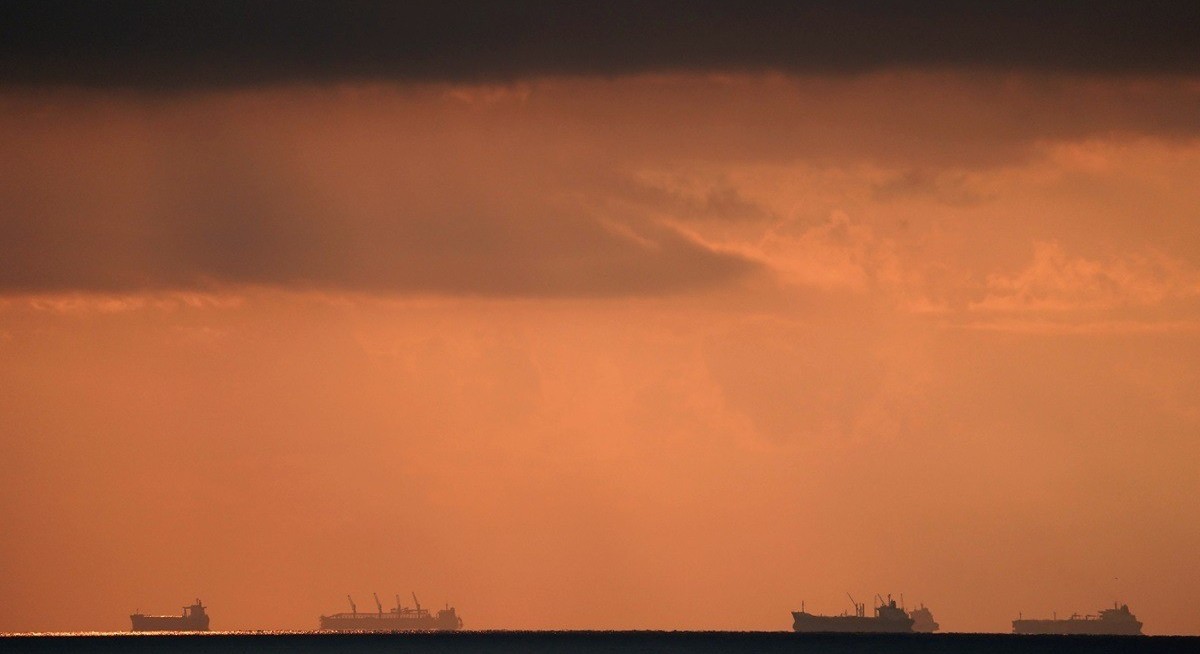


(April 10): US President Donald Trump warned Iran against charging tolls on vessels moving through the Strait of Hormuz and accused Tehran of doing a “poor job” of letting energy supplies flow, despite a ceasefire deal that included an agreement to open the crucial waterway.
“There are reports that Iran is charging fees to tankers going through the Hormuz Strait,” Trump wrote in a social media post on Thursday. “They better not be and, if they are, they better stop now!”
In a subsequent post, Trump said Iran was “doing a very poor job, dishonourable some would say, of allowing oil to go through the Strait of Hormuz.” He added: “That is not the agreement we have!”
Trump’s declaration signals the US may oppose any new arrangement where Iran uses leverage over the strait to charge tolls. Iran has previously suggested that the fees could be used to rebuild from the war.
Earlier this week, Trump told reporters he had “a concept” under which the US would actually charge those fees for passage.
“I would rather do that than let them have them,” Trump said. “Why shouldn’t we? We are the winner. We won, OK?”
See also: Trump may use emergency law for Iran tariffs despite court ruling, adviser says
The US and Iran announced a two-week ceasefire in the war and the two parties are holding direct talks in Pakistan this weekend.
Such tolls generally are considered a violation of international maritime law that promotes peaceful navigation through the world’s waterways and bars coastal countries from inhibiting passage.
Iran advanced plans to charge the tolls, even before the declaration of the ceasefire. In a statement on Telegram, Iranian Supreme Leader Mojtaba Khamenei on Thursday said the country would “definitely bring the management of the Strait of Hormuz to a new stage”.
See also: Asia economic growth to slow even if oil stabilises, ADB warns
The status of the strait is one of the key flashpoints jeopardizing the fragile halt to hostilities between the US and Iran ahead of talks in Islamabad this weekend. The strait is a passageway for approximately one-fifth of the world’s oil and liquefied natural gas flows. Iran shuttered Hormuz after the US and Israel launched strikes.
More than 800 freighters are stuck inside the Persian Gulf, mostly waiting to leave, and owners and insurer groups have warned that more details will be needed to determine if safe transit is possible. Only three ships were observed leaving the region on Wednesday, ship-tracking data compiled by Bloomberg showed. In normal times, about 135 vessels cross daily.
Uploaded by Tham Yek Lee




