




(March 17): Australia’s central bank raised its key interest rate for a second straight meeting on Tuesday, stepping up its battle against stubborn inflation as rising energy costs from the widening war in Iran threaten to intensify price pressures.
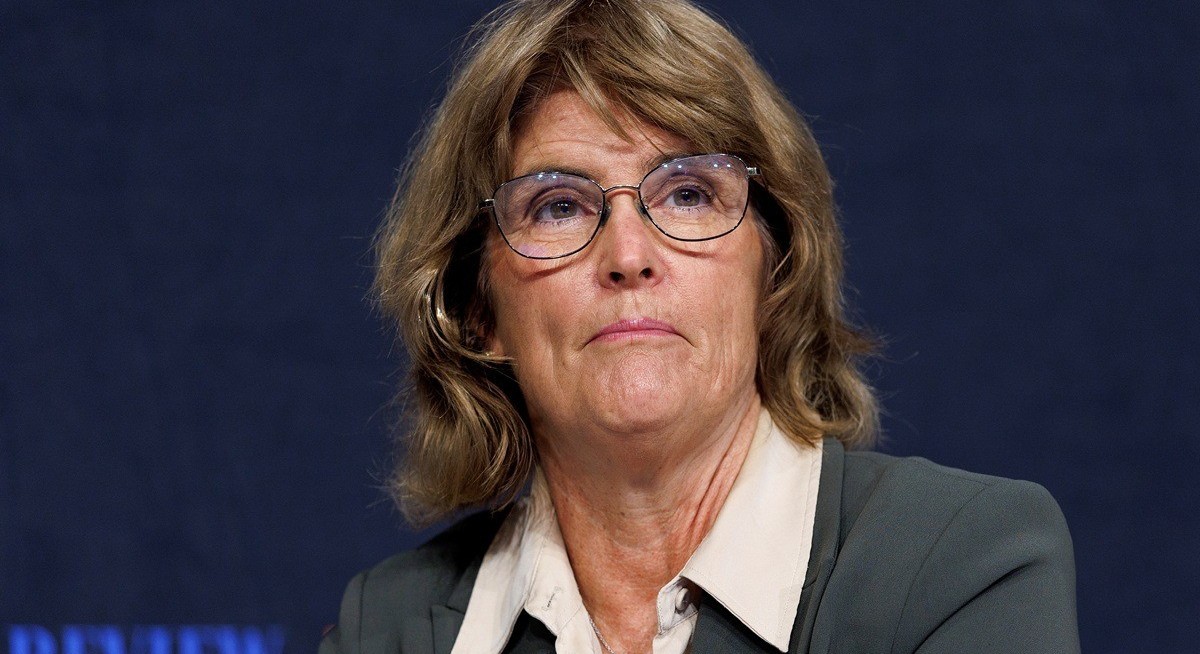
The Reserve Bank’s nine-member policy committee opted to raise the cash rate to 4.1% from 3.85% by a vote of five to four. This was the first back-to-back hike since mid-2023, reversing two of the three cuts delivered last year. Governor Michele Bullock will hold a press conference at 3:30pm in Sydney.
Three-year government bond yields extended declines while the Australian dollar slid 0.2%, reflecting the closeness of the board’s vote. Meantime, traders boosted bets on a follow-up hike in May to a better than 50-50 chance.
“Developments in the Middle East remain highly uncertain, but under a wide range of possible scenarios could add to global and domestic inflation,” the rate-setting board said in the statement. “In light of these considerations, the board judged that inflation is likely to remain above target for some time and that the risks have tilted further to the upside, including to inflation expectations.”


See also: BIS warns of economic danger if Iran conflict proves enduring
The move puts into effect hawkish signals from Bullock, who earlier this month pushed back against expectations that the RBA would skip tightening in March. That message was amplified by further jawboning from her deputy Andrew Hauser, who warned last Tuesday that Middle East-driven price rises would not be helpful to ongoing efforts to restrain inflation.
The RBA’s meeting is the first of eight among major central banks this week and comes against the backdrop of escalating conflict in the Middle East. The Federal Reserve will announce its decision on Wednesday and the Bank of Japan on Thursday.
The US-Israeli attack on Iran, which started at the end of February, and Iran’s counterstrikes on nearby states has drawn more than a dozen countries into the fray. The effective closure of the Strait of Hormuz, the chokepoint connecting the Persian Gulf to international markets that carries about one-fifth of world oil supply, has sent oil prices soaring and poses a significant upside risk to global inflation.
See also: Prabowo open to breach Indonesia deficit cap only during crisis
“A longer or more severe conflict could put further upward pressure on global energy prices; this will push up near-term inflation and could also increase inflation further out if it impairs supply capacity or price rises get built into longer term inflation expectations,” the RBA’s board said.
Some economists see Australia’s headline consumer price index (CPI) hitting 5%. On Sunday, Treasurer Jim Chalmers said households are likely to face increased cost-of-living pressures, warning the inflation rate is set to rise above 4.5%.
That is well above the RBA’s February forecast that CPI would peak at 4.2% this year. The estimate was based on a technical assumption that crude would remain at US$63.8 per barrel through mid-2028 and the cash rate sit at 4.2% in December 2026.
The central bank targets CPI at the midpoint of its 2%-3% target band.
Expectations of a further flare-up in consumer prices come as the RBA already finds itself wrong-footed by a resurgence in inflation in recent months, led by services and housing costs, against the backdrop of a still-tight labour market.
As a result, most economists now expect a follow-up hike in May to lift the cash rate to 4.35%. That would fully unwind the 75 basis points of rate cuts delivered during a six-month easing campaign last year.
Australian policymakers are banking that the economy, which is operating close to capacity with historically low unemployment, can withstand tighter policy. Westpac Banking Corp’s chief said ahead of the meeting that he reckons households can absorb another two quarter-point hikes.
To stay ahead of Singapore and the region’s corporate and economic trends, click here for Latest Section
Data since the RBA’s last meeting showed:
- A private gauge of consumer inflation expectations rose to 5.2% in March — a level not seen since July 2023;
- Annual GDP growth of 2.6% last quarter, outpacing the RBA’s 2% estimate of the economy’s speed limit before triggering inflation;
- Capacity utilisation is elevated, suggesting demand is outpacing the economy’s ability to supply.
At the same time, unemployment is hovering at 4.1% while job advertisements and other measures of labour demand have strengthened. Investors will keep a close eye on the February employment report released Thursday, which will be followed by monthly inflation data next week.
The RBA operates under a dual mandate that aims for inflation at the 2.5% midpoint of its target range while trying to keep the economy at maximum sustainable employment.
Over in the US, traders are sticking with bets for the Fed to deliver further rate cuts this year. The divergence has made the Australian dollar the best-performing currency among its 10 major peers so far in 2026.
“Monetary policy is well placed to respond to developments and the board is focused on its mandate to deliver price stability and full employment,” the RBA’s rate statement said. “It will do what it considers necessary to achieve that outcome.”
Uploaded by Liza Shireen Koshy




