


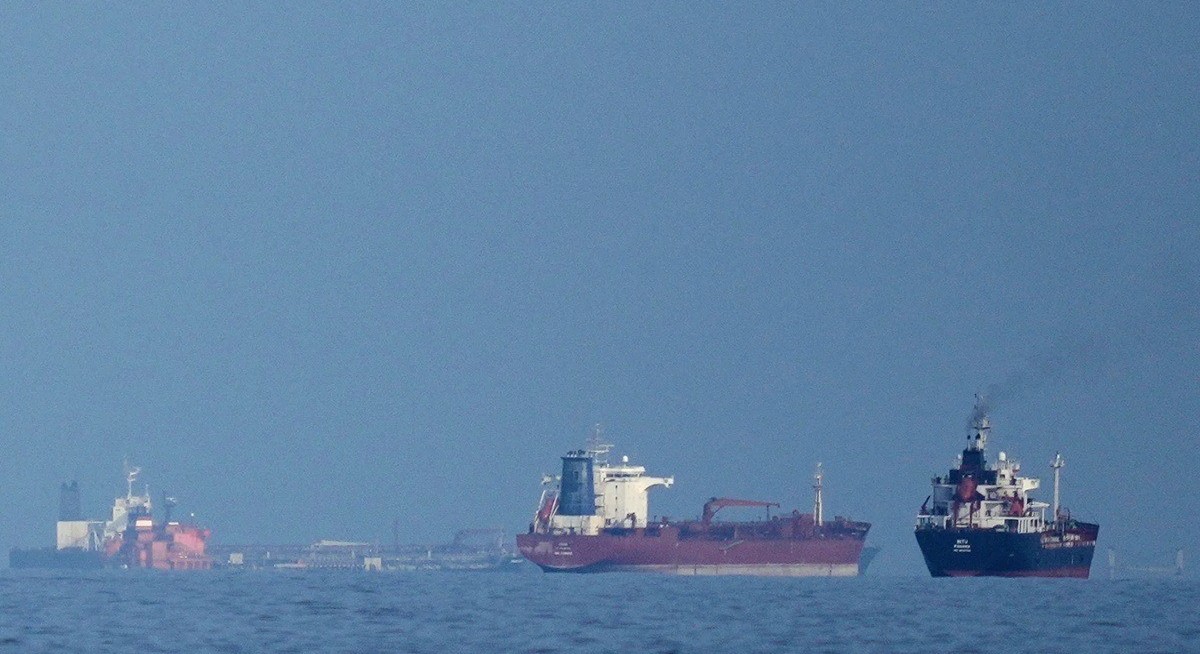


(March 16): A prolonged war in the Middle East that dislodges inflation expectations could ultimately result in financial-market fallout and fiscal trouble, the Bank for International Settlements warned.
Noting how investors have already delivered a “knee-jerk reaction” because of memories of how consumer prices spiralled out of control after the pandemic, Hyun Song Shin, head of the Monetary and Economic Department at the Basel-based institution, warned that a more alarmed response can’t be excluded in due course.
“If the conflict persists or widens beyond current expectations, that could trigger sharper adjustments in inflation expectations and financial conditions,” he told journalists while discussing the BIS’s latest quarterly review. “A spike in interest rates could put pressure on rich asset price valuations and rising financial costs for governments and the need to issue more debt could undermine fiscal sustainability.”
Shin suggested that the current juncture is distinctly challenging for central banks. Speaking in advance of a week when policymakers will set borrowing costs in every member of the Group of Seven and across eight of the world’s 10 most-traded currency jurisdictions, his remarks effectively highlighted how so much of their response hinges on US President Donald Trump’s resolve to keep fighting it.

“It really depends on how long the conflict lasts and how long the rise in the oil price will be sustained,” Shin said. “Of course if it’s a supply shock — certainly if it’s a temporary one — these are the textbook examples where you should look through and not react with monetary policy.”
See also: Prabowo open to breach Indonesia deficit cap only during crisis
The BIS will stay focused on the risks posed to fiscal sustainability by the current crisis, he said.
“That is something which is going to be a very important topic for us to keep under review,” Shin told reporters. “The impact of a sustained rise in energy prices will have an effect on the real economy and the longer it lasts, of course, the larger that impact. And there will also be an impact on fiscal balances if the economies see the downturn.”
Since the pandemic, policymakers have started to tout uncertainty more strongly in public communications, the BIS said in a research paper published alongside the quarterly report on Monday.
See also: Asia set to pledge US$30 bil in energy, mineral deals with US
Many central banks have moved away from descriptive guidance to instead present projections in different scenarios, often including rate paths, the BIS found. It cited analysis based on policy statements of 25 monetary institutions covering most of the world economy.
Uploaded by Arion Yeow




