


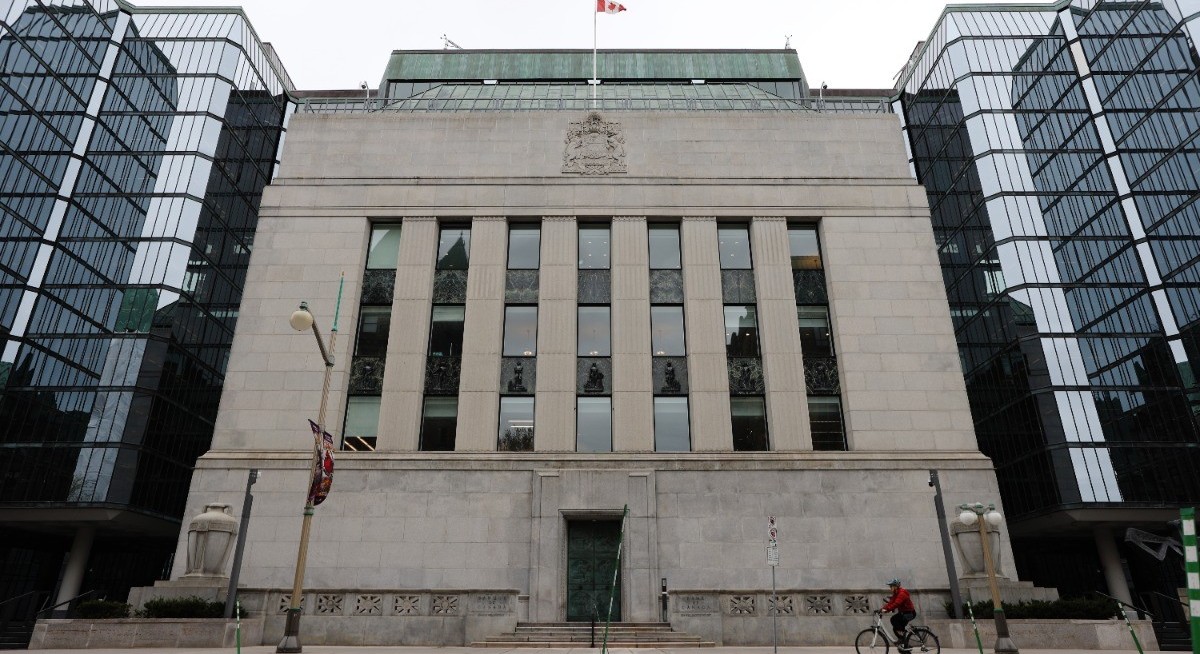


Macklem said that while recent data show Canada’s economy is “proving resilient overall” in the face of US tariffs, the bank still sees ongoing economic slack keeping inflation close to the bank’s 2% target.
In the statement, the bank reiterated that the current policy rate is “at about the right level” if its October forecasts hold, and said it believed keeping borrowing costs “at the lower end of the neutral range was appropriate.”

“Uncertainty remains elevated. If the outlook changes, we are prepared to respond,” it said.
See also: Indian stocks face fresh pressure after central bank action
The loonie fell to the day’s low against the US dollar after the bank’s decision, slipping 0.1% to C$1.3860 as of 9.50am in Ottawa. Canadian debt rallied across the curve, with the two-year yield down some three basis points to 2.66%.
Recent data suggests the Canadian economy has been stronger than previously expected, with the labor market adding 181,000 jobs over three months and real gross domestic product in the third quarter growing at a surprising 2.6% on an annualised basis.
-Carolyn_Rogers_Bloomberg_20251211002641_Bloomberg_20251211003158_yjs5dh.jpg)
See also: Thailand beats growth estimates in boost to new government
In his opening remarks to reporters, Macklem said recent revisions to Canada’s gross domestic product for 2022, 2023 and 2024 may explain some of the resilience the bank is seeing, and “suggest the Canadian economy was healthier than we previously thought before we were hit by the US trade conflict.”
At the same time, Macklem stopped short of saying whether the bank believes the output gap is narrower due to those revisions, saying instead that the changes “suggest both demand and economic capacity were higher coming into this year”.
“While information since the last decision has affected the near-term dynamics of GDP growth, it has not changed our view that GDP will expand at a moderate pace in 2026 and inflation will remain close to target,” Macklem said.
The neutral suite of communications suggest the central bank is comfortable remaining on the sidelines barring any major changes to inflation and growth. And while it acknowledges that the economy may be on more solid footing than was previously believed, it sees little change to the output gap.
“Overall, there is nothing in the statement to change our view that the Bank of Canada is likely to keep its policy rate unchanged for an extended period of time,” said Charles St-Arnaud, chief economist at Servus Credit Union. “Moreover, it is clear that the threshold for a rate cut is very high and would require a significant deterioration in the outlook.”
Macklem said the bank will also incorporate Prime Minister Mark Carney’s first federal budget into new projections in January, but also said the government’s boost to defence spending and investment measures would contribute to “both demand and supply in the economy”.
The bank sees the upcoming review of the North American trade agreement and the adjustment of the economy to higher tariffs adding to uncertainty. The bank said recent fluctuations in economic data are also complicating the picture.
To stay ahead of Singapore and the region’s corporate and economic trends, click here for Latest Section
“The volatility we’re seeing in trade and quarterly GDP make it more difficult to assess the underlying momentum of the economy,” he said.
In the statement, the bank said the labor market was showing “some signs of improvement,” flagging a strong three months of jobs gains and falling unemployment rate. But they also noted subdued hiring intentions, and weakness in trade-sensitive sectors.
“Policymakers played down recent upside surprises in data, pointing to only some signs of improvement in the labour market, with trade-sensitive sectors still weak and hiring intentions muted, and citing that final domestic demand was flat in 3Q, with the headline reading driven by volatility in trade,” Katherine Judge, economist at Canadian Imperial Bank of Commerce, said in a report to investors.
Macklem and senior deputy governor Carolyn Rogers will speak to reporters at 10.30am Ottawa time.
Uploaded by Felyx Teoh




