


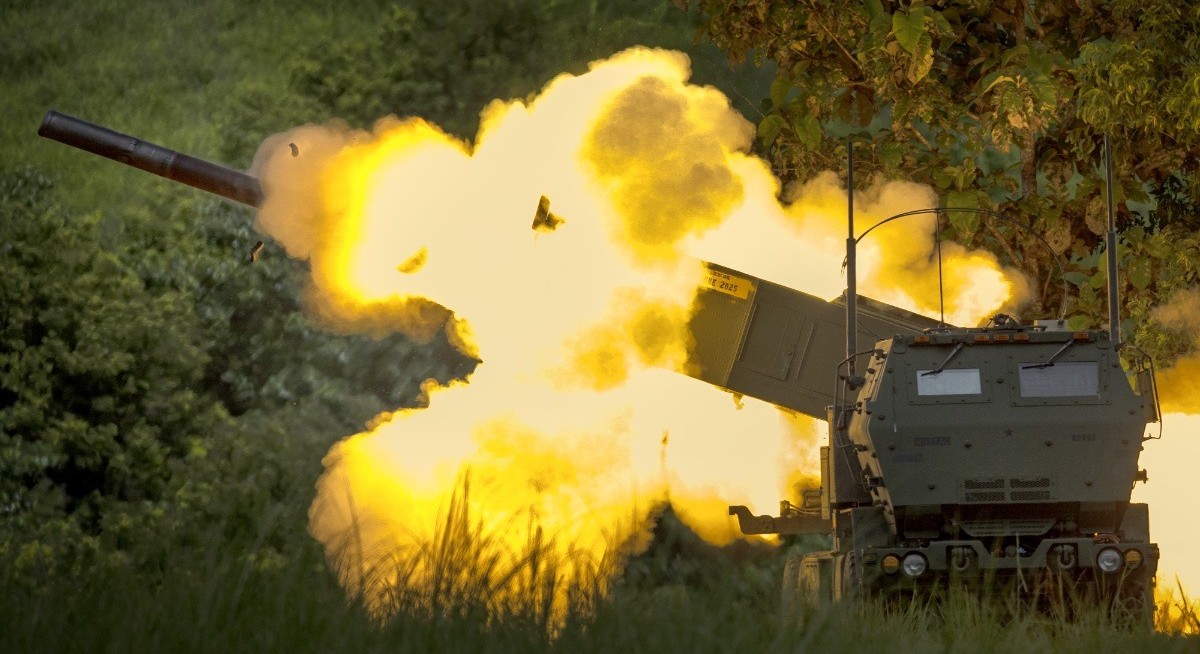


(April 14): More than 17,000 military personnel will participate in the biggest-ever joint drills by the Philippines, the US and other nations as they rehearse warfighting skills amid tensions with China and the Middle East conflict.
Troops from Australia, Japan, Canada, France and New Zealand will also take part in this year’s Balikatan — “shoulder-to-shoulder” in Tagalog — exercises running from April 20 to May 8, the Philippine military said on Tuesday.
An additional 17 nations will observe the land, sea, air and cyber drills, with the number of troops set to break the previous record of 16,000 personnel set in 2024. There was no breakdown on how many US troops will join, but last year 9,000 participated from the US with 5,000 personnel from the Philippines.
“Training shoulder-to-shoulder with our oldest ally and our many partners ensures our forces are prepared to face any challenge, together,” Philippine Army Major General Francisco Lorenzo Jr said in the statement from US Marine Corps on Monday.
The exercises will “rehearse warfighting skills in maritime security, coastal defence, and the integration of combined and joint fires,” according to the US statement.
US Colonel Robert Bunn said the drills underline Washington’s commitment to its allies amid the Iran war. “The lessons that we learn working together have dramatic effects across the region,” Bunn told a briefing on Tuesday.
See also: Iran-linked ships take new path to trickle into Persian Gulf
Japanese troops will participate in the combat drills for the first time under Tokyo and Manila’s reciprocal access agreement that took effect last year.
Tokyo’s Defence Minister Shinjiro Koizumi will observe a drill in May in which Japanese, US and Philippine forces will sink a decommissioned ship in northern Philippines near Taiwan, according to Philippine Colonel Dennis Hernandez. Japan will use its Type 88 surface-to-ship missile, he said.
The record military turnout comes as conflicts from Ukraine to Iran, along with China’s military buildup, lead policymakers to improve their defence preparedness. The US and Israeli war on Iran continues, with President Donald Trump on Monday beginning a US naval blockade of the Strait of Hormuz in a bid to pressure Tehran to reach an agreement.
See also: US, Iran weigh truce extension with Strait of Hormuz still shuttered
The annual Balikatan war games underscore the Philippines’ shift to external defence amid territorial disputes with Beijing in the resource-rich South China Sea.
The Philippines over the weekend said Chinese forces fired flares at a coast guard aircraft on routine monitoring over two reefs located in disputed waters where Beijing has built artificial islands with military infrastructure.
On Monday, Manila said Chinese boats were dumping cyanide in the Second Thomas Shoal, which officials warned could compromise the structural integrity of its military outpost there. Beijing called Manila’s accusations “neither credible or worth refuting”.
Ships from the Philippines, US, Japan and Canada will participate in a multi-day multilateral maritime exercise along the west coast of the Philippines which faces the South China Sea, according to the US Marines. They will conduct deck-landing qualifications, live-fire gunnery, anti-submarine warfare, and search and rescue training.
Hernandez acknowledged that Beijing might view the drills as provocative. “Our stance is in a defensive mode. Every country has a right to defend its territory. We are not targeting any country,” he said.
Uploaded by Felyx Teoh




