


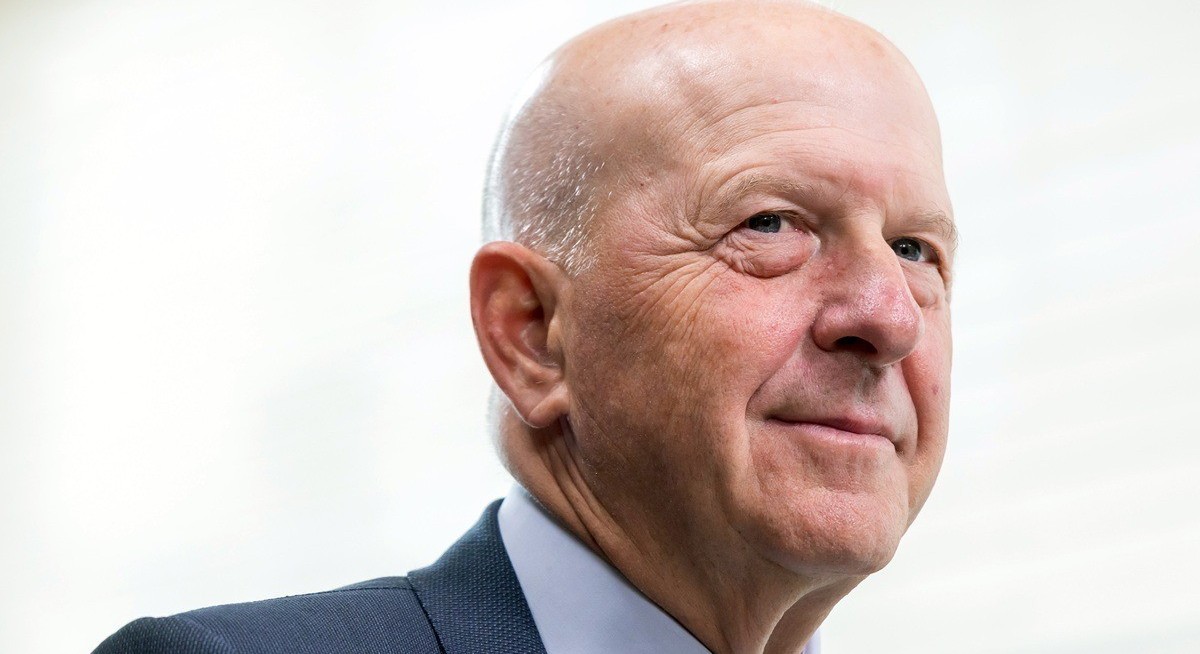


(March 4): Goldman Sachs Group Inc chairman David Solomon said he’s been surprised by the “benign” reaction in financial markets to the Middle East conflict, adding that it will take weeks to understand more about the situation.
“It’s very hard to speculate because there is so much that is unknown at this point,” Solomon said at the Australian Financial Review Business Summit in Sydney on Wednesday. Investors are considering whether this will become a more prolonged event and start to impact consumption, he added.
US assurances on securing shipping through the Strait of Hormuz have helped steady nerves in markets. Still, the Iran war has reverberated across the region, with Israel bombarding Tehran in a fresh wave of strikes. The Islamic Republic fired missiles at Qatar, Bahrain and Oman, with Doha saying targets weren’t limited to military interests.
“I look at the market reaction and I’m actually surprised,” Solomon said. “The market reaction has been benign.”
Meantime, traders are reducing expectations for interest-rate cuts from the Federal Reserve as the war drives fears of a resurgence in inflation from higher oil prices.
Solomon said he wasn’t surprised to see the VIX Index spike and other volatility measures also climb. “It’s going to take a couple of weeks for markets to really digest the implications,” he said.
See also: Russian central bank sues EU in Luxembourg on frozen assets
Solomon also addressed the tumult in the US$1.8 trillion private credit market, saying that while there have been a “handful” of idiosyncratic issues, that doesn’t mean the overall credit quality is a worry.
“If you actually look at the underlying credit performance in a lot of these portfolios, up to this point you haven’t seen a broad deterioration,” he said.
He said the US economy is holding up well, which is making it hard to identify areas where credit risk might be excessive.
See also: Andreas Kluth: Trump doesn’t want democracy in Iran or anywhere. He wants puppets
“When we do have a credit cycle, or we do have a slowdown, or we do have a recession, you will have more visibility on some of these places where lending standards have weakened.”
Uploaded by Liza Shireen Koshy




