


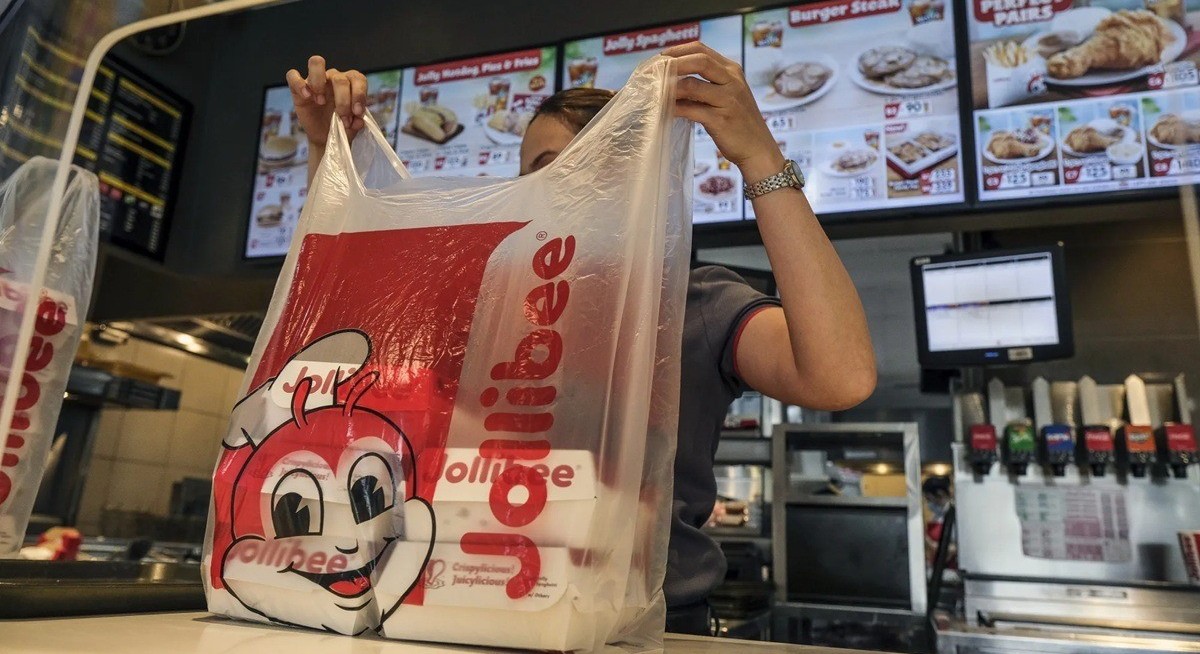


Jollibee, known for its fried chicken and sweet spaghetti, said profitability for the quarter was affected by elevated direct costs, which increased 11.7% due to inflationary pressures. While demand remained healthy, “recent geopolitical developments have increased near-term input cost volatility”.
Shares of the company fell as much as 8.8% to 147 pesos apiece on Tuesday, its lowest level since October 2020 and were the Philippine stock index’s second biggest loser.
While the war in Iran has caused oil prices to soar globally, the Philippines has been drastically affected as it imports more than 90% of its oil requirements from the Middle East. Inflation in the Southeast Asian nation accelerated to 4.1% in March before surging further to a three-year high of 7.2% the following month.
Jollibee said it is reviewing its 2026 assumptions, including store openings, capital spending and profit forecasts.
See also: Nestlé buys out Yfood founders in first acquisition for new CEO
The company is also “actively implementing mitigation actions across sourcing, productivity, selective pricing and disciplined cost management", it added.
“As costs normalise over time, we remain focused on prudent capital allocation and sustaining profitable, long-term growth,” chief financial and risk officer Richard Shin said.
Uploaded by Arion Yeow




