


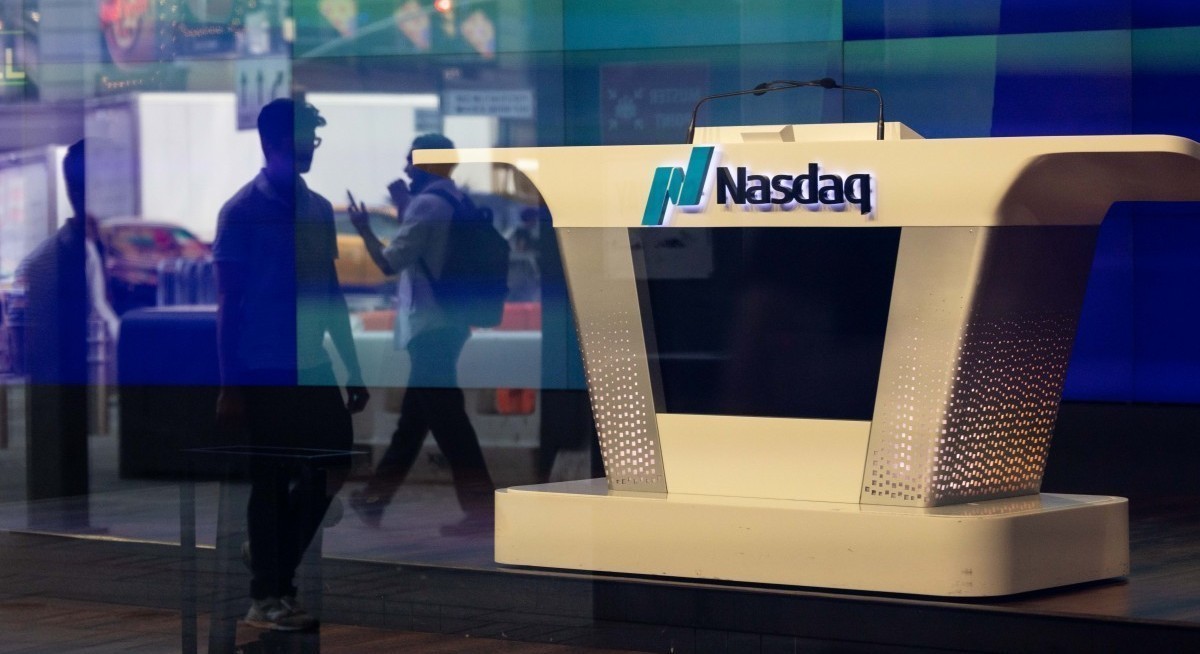


The GLB was first mooted in November 2025 as part of a set of initiatives proposed by the equities market review group. Under the partnership, companies with market capitalisations of $2 billion and above will be able to list on the SGX and Nasdaq with a single set of documents.
“We are on track for the rules to take effect in the middle of the year,” says SGX RegCo CEO Tan Boon Gin in response to a query by The Edge Singapore. The second reading of the Bill is scheduled to be read in Parliament on May 5. The Bill was first introduced on April 7.
The proposed amendments and regulations include a new Part 13A that will enable the central bank to change the application of specific market misconduct and offer-related provisions under the SFA. Part 13A of the SFA will allow the MAS to adopt a similar framework for dual listings for overseas exchanges from jurisdictions that have "disclosure requirements that are comparable to and in line with the International Organization of Securities Commissions (IOSCO)’s international disclosure standards".
Other proposed amendments and regulations consulted include streamlining document disclosure requirements by applying US disclosure content requirements to prospectuses and offer information statements of GLB issuers.
The consult includes the modification of regulations to allow GLB issuers to register their prospectuses earlier, as well as the introduction of three “common safe harbours” used by US-listed companies as defences to specific provisions under Part 12 of the SFA.
MAS also consulted on amendments to allow issuers to engage retail investors earlier in the IPO process using a preliminary prospectus lodged with the central bank, as well as amendments to specify that the issuer of the underlying instruments of sponsored depositary receipts (DRs) is treated as “the issuer of and person making the offer of sponsored DRs, instead of the depositary”.
According to MAS, respondents and market participants showed “strong support” and suggested additional ways to streamline regulatory requirements, particularly in investor outreach efforts, the timing and process of prospectus registration and facilitating post-listing activities in Singapore.
See also: EQDP fund manager BlackRock launches Asean systematic active equity strategy fund
The 15 respondents included banks, law firms and brokers such as Allen & Gledhill, DBS Bank, Goldman Sachs, JP Morgan Securities, OCBC, Rajah & Tann, Soochow Singapore Capital Markets, UOB Kay Hian and WongPartnership.
Under a single set of rules and processes, issuers listing via the GLB may prepare just one set of offering documents to list on the SGX and Nasdaq. For a concurrent offering on the GLB, the Singapore prospectus will only need to contain information in line with the ones already required for listing in the US.
GLB issuers will also be allowed to register their prospectus in Singapore at any time after lodging their preliminary prospectus. They will not need to comply with the current SFA requirement for a minimum seven-day public exposure period before registration.
In a separate release, SGX RegCo says it will implement a new set of listing rules for the GLB. The rules will align listing timelines and submission processes with Nasdaq’s. It will also establish minimum fundraising and market capitalisation admission requirements, a minimum share allocation to be made available through retail brokers and require material disclosures in the US to be released on SGXNet in a “timely manner”. In its statement, SGX RegCo noted that at least 15% of the initial public offering (IPO) fundraising or $75 million -- whichever is higher -- must be raised in Singapore. Retail brokers are also expected to have at least 5% in value of the Singapore tranche or $50 million -- whichever is lower.
“The GLB was conceived in response to market feedback that companies – especially growth oriented companies with an Asian nexus – want to tap the large, liquid pools of capital in the US while still being easily accessible to retail and institutional investors in their home markets,” says Tan.
“Retail and institutional investors based in this region, meanwhile, have a keen interest in homegrown names and would like to invest and trade these counters here,” he adds. “Our listing rules have thus been calibrated to meet the needs of both investors and issuers. We have focused on simplifying the dual-listing process while ensuring sufficient allocation to the Singapore market.”




