


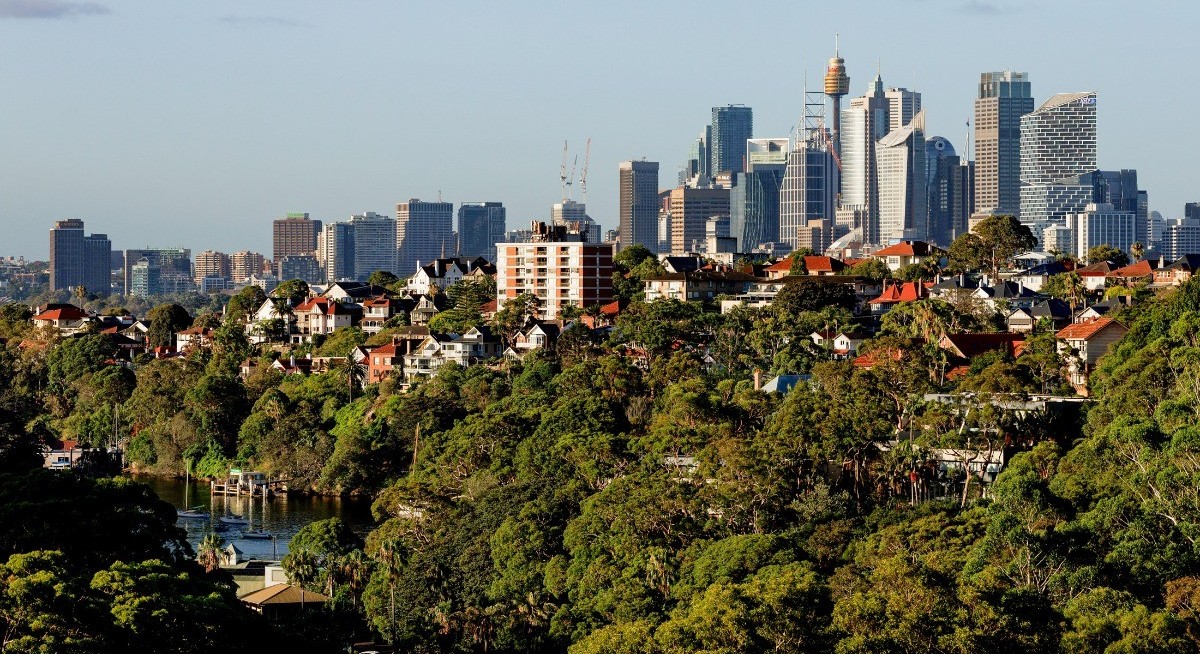


(March 17): As the war in the Middle East enters its third week, Australia — with little much domestic refining capacity left — underscores how even major fossil fuel exporters aren’t immune to a widening energy crunch.
While the supply of gasoline and diesel to Australia has remained steady, the government has also warned that a prolonged conflict could strain shipments. Panic buying is already pushing prices higher, especially in regional areas, with costs rising faster than international benchmarks in the early stages of the conflict — prompting competition authorities this week to summon petrol suppliers and retailers for an explanation.
Despite being one of the world’s biggest shippers of coal and natural gas, Australia doesn’t produce enough crude oil to meet its own needs. Add competition from newer, more efficient refineries in Asia, and the nation has been left with just two ageing plants that produce less than a quarter of its fuel. For the rest, it relies on imports.
Rising prices or shortages in Australia could have knock-on inflationary effects for the rest of the world, as the nation’s export-oriented mining and agricultural industries are among the biggest users of diesel. Health and transport are the other sectors most exposed to a fuel crunch, said Lurion De Mello, a senior lecturer in finance at Macquarie University.
“Our diesel supply depends heavily on refineries in South Korea, Japan and Singapore, and any interruption in their crude oil intake will flow through globally,” De Mello said. “There are few alternative sources.”

See also: Iran’s energy warfare strategy
Australia can likely manage about 26% lower diesel imports through increased domestic production and demand-side measures, but beyond that, industrial shut-ins would be required, Morgan Stanley analysts including Rob Koh said in a report Monday.
The country’s top fuel suppliers have already halted spot sales — one-time transactions outside long-term agreements that typically go to smaller retailers and commercial users.
Over the weekend, the rush left service stations in rural areas forced to ration, while some ran dry, according to local reports.
There are also reports of industry pain. Farmers have flagged that they’re increasingly struggling to secure fuel, with continued price hikes meaning that some acreage could go bare ahead of the country’s key planting season. Meanwhile, trucking groups have raised concerns over supply outside urban areas and caution that increased costs will be passed on to customers.
Australia has about a month’s supply of diesel and jet fuel, and only slightly more gasoline, in storage for emergencies — well below the 90 days recommended by the International Energy Agency. That’s set to shrink further — with the government lowering the amount of fuel that bulk importers and refineries are required to hold in reserve by about a fifth last week, equivalent to about six days of nationwide sales.
The government has said there is enough fuel and that any shortages are because of stockpiling. It has also temporarily amended fuel-quality standards to allow higher sulphur levels, adding more petrol to supply.
Uploaded by Chng Shear Lane




