


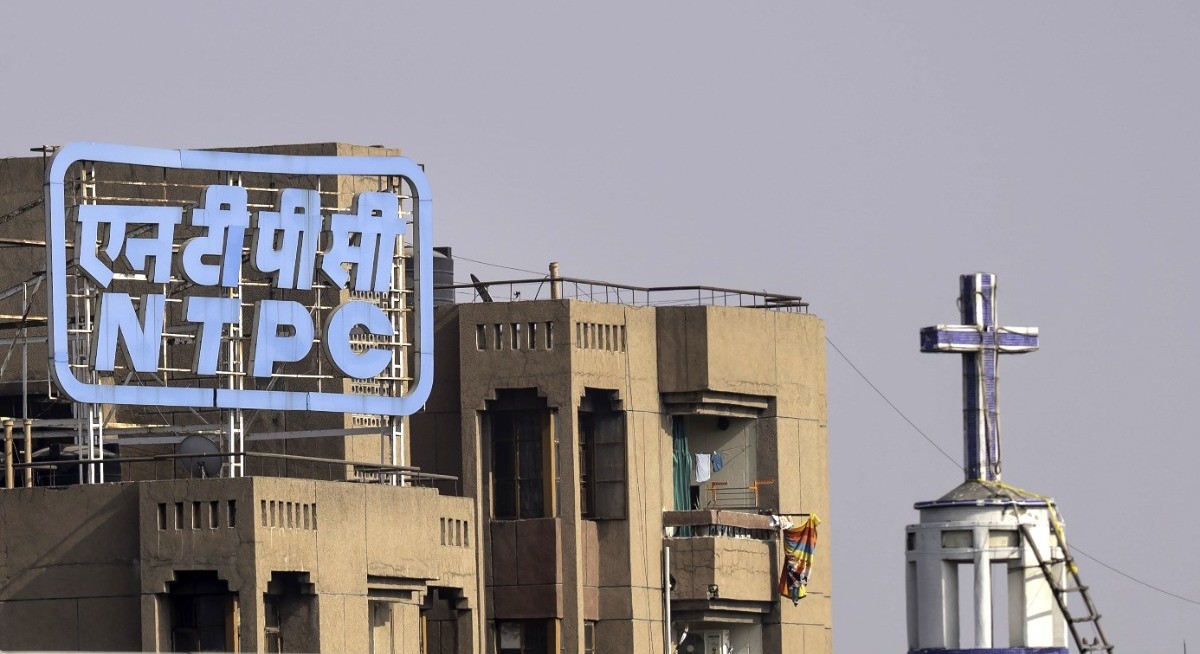


(July 10): India’s largest power producer is seeking to invest in overseas uranium mines to secure supplies needed to fuel 30 gigawatts of nuclear power capacity it plans to build over the next two decades.
State-controlled NTPC Ltd issued a tender to appoint consultants that will help identify potential assets in uranium-mining countries including Canada, Australia, Kazakhstan and South Africa, according to documents posted on its tender website. Bids are due July 16.
The search for uranium marks the latest step in India’s ambition to grow atomic power capacity more than elevenfold by 2047, part of a broader push to decarbonise an economy that’s driven largely by coal and other fossil fuels. NTPC aims to build around 30% of the country’s 100-gigawatt target.
In December, the Indian parliament passed a law that will end a decades-old state monopoly in atomic power generation and open the industry up to private firms. The new legislation also envisages sweeping changes to the country’s liability provisions that had spooked investors.
“The scale of planned capacity addition necessitates securing a sustainable fuel supply of uranium,” NTPC said in the bid document. “Considering the limitations of domestic fuel and mining reserves, overseas exploration and the acquisition of uranium mines are required.”
At present, India relies on another state-controlled company — Uranium Corp of India — for domestic supplies of the metal. The country’s only producer mines mainly in the states of Jharkhand and Andhra Pradesh.
See also: Modi’s biofuel push comes under pressure as motorists protest
New Delhi has already been diversifying its overseas supplies, agreeing during Prime Minister Narendra Modi’s visit to Melbourne this week to import uranium from Australia. India also buys the atomic mineral from Uzbekistan and Russia, while shipments from Canadian miner Cameco Corp are due to begin next year.
Global uranium mining is relatively concentrated, with the top five producers accounting for almost 70% of the world’s output in 2024, according to the World Nuclear Association. Kazakhstan’s NAC Kazatomprom was the biggest producer in that year, followed by Cameco.
Uploaded by Evelyn Chan




